
What does topical retinoids treat?
Short answer
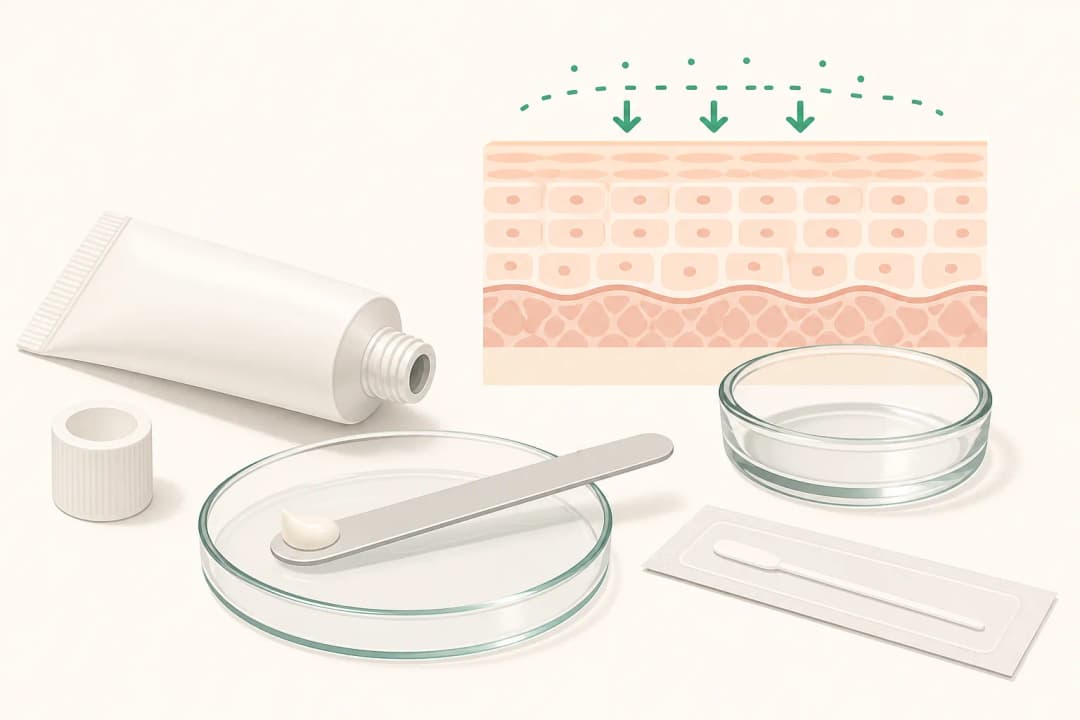
Topical retinoids treat acne, clogged pores, whiteheads, and selected uneven or darkened skin areas.
This answers one question. It is not a diagnosis and does not replace an assessment by a licensed doctor.
At a glance
- Main action
- Helps keep pores clear
- Common uses
- Acne and whiteheads
- Early reaction
- Dryness or peeling can occur
What retinoids change in skin
Retinoids are vitamin A-related medicines that help prevent dead skin cells from building up inside pores. This makes them useful for comedonal acne, adult acne, and other acne patterns. With regular use, they may also soften the look of large pores and help some post-acne marks or darkened areas appear more even.
Common reactions include dryness, peeling, redness, stinging, or an acne flare when treatment begins. These effects do not mean that stronger application will work better. Improvement is gradual, and the right product depends on the diagnosis and the sensitivity of your skin.
Using a retinoid comfortably
Apply a thin layer to clean, completely dry skin as directed, usually with a gradual introduction if your clinician recommends it. Use a gentle cleanser and moisturiser, and protect exposed skin from sunlight. Keep the medicine away from the eyes, lips, and creases of the nose unless specifically instructed.
Tell your clinician about pregnancy, plans to become pregnant, eczema, or a history of strong reactions before starting. Do not combine several irritating acne products without a plan; benzoyl peroxide, exfoliating acids, and scrubs can increase dryness.
When to seek care
Contact a clinician if swelling, blistering, intense pain, or a spreading rash develops. Seek advice when irritation prevents normal use, acne becomes deeply painful, or dark patches change quickly. Eye exposure with persistent pain or vision changes needs prompt medical attention.
Questions for your doctor
Ask which retinoid suits your concern, where to apply it, and how often to begin. Clarify whether your darkening is acne-related, acanthosis nigricans, or another condition, and ask which other products should be paused while your skin adjusts.
Find care
General Clinics & Polyclinics in Abu Dhabi
That answer is general. If you want it applied to your own case, these are licensed general clinics & polyclinics listed in Abu Dhabi.
27 Ar Ruwwad St - Shakhbout City - MSH4 - Abu Dhabi - United Arab Emirates
Accepts: Daman, Thiqa, Cigna, MetLife +20 more
Al Ruwais, Al Dhafrah
Accepts: Daman, Thiqa, AXA, Cigna +16 more
Al Bahyah - Al Bahyah Old - Abu Dhabi - United Arab Emirates
Accepts: Daman, Thiqa, Cigna, Allianz Care +18 more
Abu Dhabi
Accepts: Daman, Thiqa, AXA, Cigna +27 more
Ordered by verification status and how complete each clinic's public record is, then alphabetically. This is a directory listing, not a ranking — Zavis does not rate or recommend providers.
A factual listing drawn from the DHA, DOH and MOHAP licence registers. It is not a referral, an endorsement, or advice that any of these providers is right for you.
Questions people ask
Can topical retinoids remove acne scars?
They may help prevent new breakouts and improve some surface marks, but indented or raised scars need separate assessment.
Should I use more if acne is severe?
No. Use the directed amount; excess can increase irritation without improving the response.
Related
Related reading
Keep reading
Medical disclaimer. This page is general health information, not medical advice, and it cannot diagnose you. Always consult a licensed healthcare provider about your own symptoms and treatment. In an emergency in the UAE, call 998 for an ambulance.