
What do irregular periods feel like with polycystic ovary syndrome?
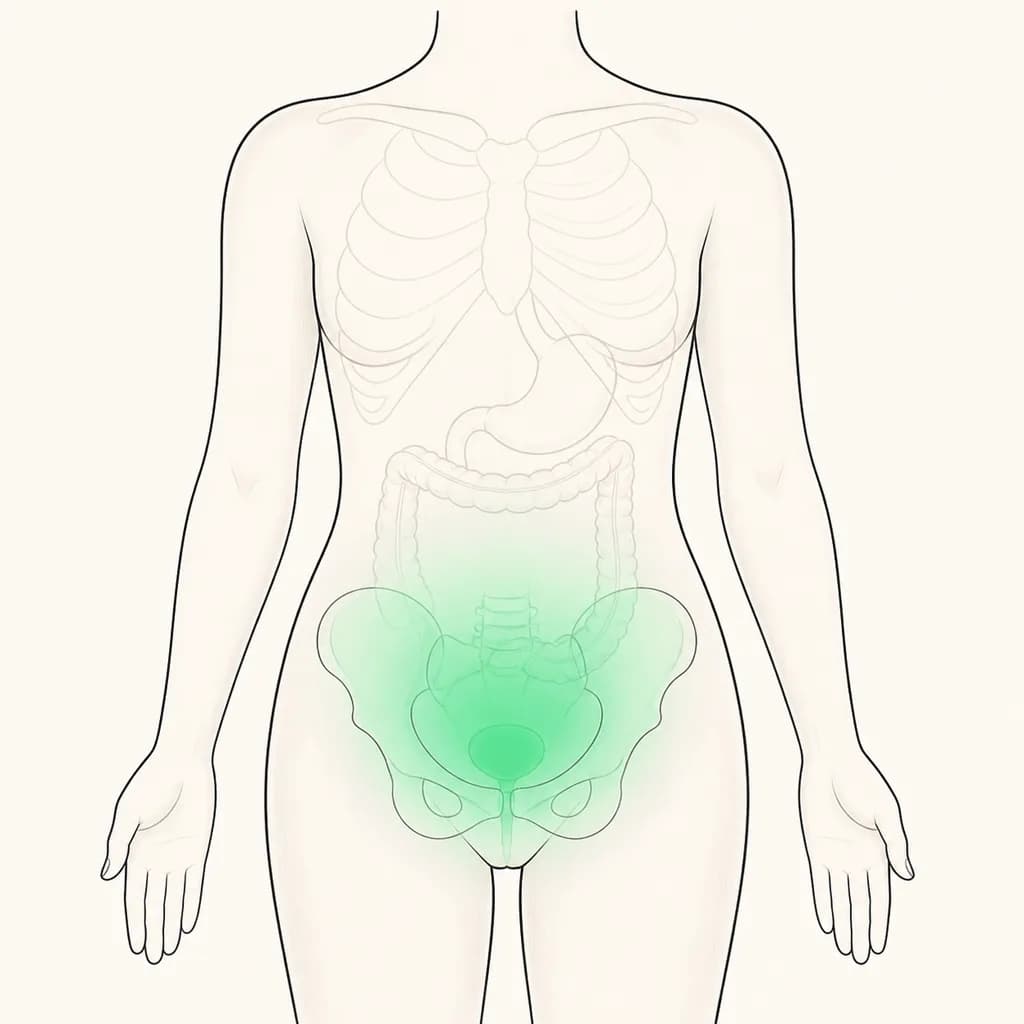
Short answer
Irregular Periods is a very common presentation of Polycystic Ovary Syndrome, and may involve unpredictable bleeding or skipped periods.
This answers one question. It is not a diagnosis and does not replace an assessment by a licensed doctor.
At a glance
- Common pattern
- Skipped, widely spaced, or unpredictable periods can occur with PCOS.
- Useful record
- Note bleeding dates, flow, pain, and related symptoms.
How it may feel
You may go longer than expected between periods, have only occasional bleeding, or notice that your cycle changes from month to month. When bleeding arrives, it can be light, heavy, or last longer than you expect. Some people also notice acne, increased facial or body hair, or difficulty predicting ovulation. These experiences reflect changes in ovulation, but irregular bleeding alone cannot identify its cause.
Most people with Polycystic Ovary Syndrome notice irregular periods. A clinician may ask about your cycle pattern, medicines, weight changes, skin or hair changes, and pregnancy possibility before arranging appropriate tests.
What you can do next
Track the first and last day of bleeding, how heavy it is, and symptoms such as pelvic pain or spotting. Bring this record to a clinician. They may check for pregnancy and consider blood tests or an ultrasound depending on your history. Treatment can focus on cycle regulation, protecting the womb lining, managing symptoms, or supporting pregnancy goals.
When to seek care
Arrange medical advice if periods remain unpredictable, stop for a prolonged interval, or bleeding repeatedly disrupts daily life. Seek urgent care for very heavy bleeding with dizziness or fainting, severe pelvic pain, or possible pregnancy with pain or bleeding.
Questions for your doctor
Ask: Could my pattern reflect PCOS or another cause? Do I need a pregnancy test, blood tests, or ultrasound? How can we regulate bleeding safely? What plan fits my pregnancy goals?
Find care
General Clinics & Polyclinics in Abu Dhabi
That answer is general. If you want it applied to your own case, these are licensed general clinics & polyclinics listed in Abu Dhabi.
27 Ar Ruwwad St - Shakhbout City - MSH4 - Abu Dhabi - United Arab Emirates
Accepts: Daman, Thiqa, Cigna, MetLife +20 more
Al Ruwais, Al Dhafrah
Accepts: Daman, Thiqa, AXA, Cigna +16 more
Al Bahyah - Al Bahyah Old - Abu Dhabi - United Arab Emirates
Accepts: Daman, Thiqa, Cigna, Allianz Care +18 more
Abu Dhabi
Accepts: Daman, Thiqa, AXA, Cigna +27 more
Ordered by verification status and how complete each clinic's public record is, then alphabetically. This is a directory listing, not a ranking — Zavis does not rate or recommend providers.
A factual listing drawn from the DHA, DOH and MOHAP licence registers. It is not a referral, an endorsement, or advice that any of these providers is right for you.
Questions people ask
Can PCOS cause heavy periods?
Yes. Irregular ovulation can make bleeding unpredictable, and some periods may be heavier or longer.
Do irregular periods confirm PCOS?
No. A clinician considers your full history and may use examination, tests, or imaging.
Related
Related reading
Keep reading
Medical disclaimer. This page is general health information, not medical advice, and it cannot diagnose you. Always consult a licensed healthcare provider about your own symptoms and treatment. In an emergency in the UAE, call 998 for an ambulance.