
Type 2 diabetes while pregnant: what to know
Short answer
Type 2 diabetes during pregnancy needs closer glucose monitoring and coordinated care because glucose levels affect both the pregnant person and the developing baby.
This answers one question. It is not a diagnosis and does not replace an assessment by a licensed doctor.
At a glance
- Care style
- Joint diabetes and maternity follow-up
- Track
- Glucose, food, activity and symptoms
- Act quickly
- Report repeated abnormal readings or reduced fetal movement
Why pregnancy changes the plan
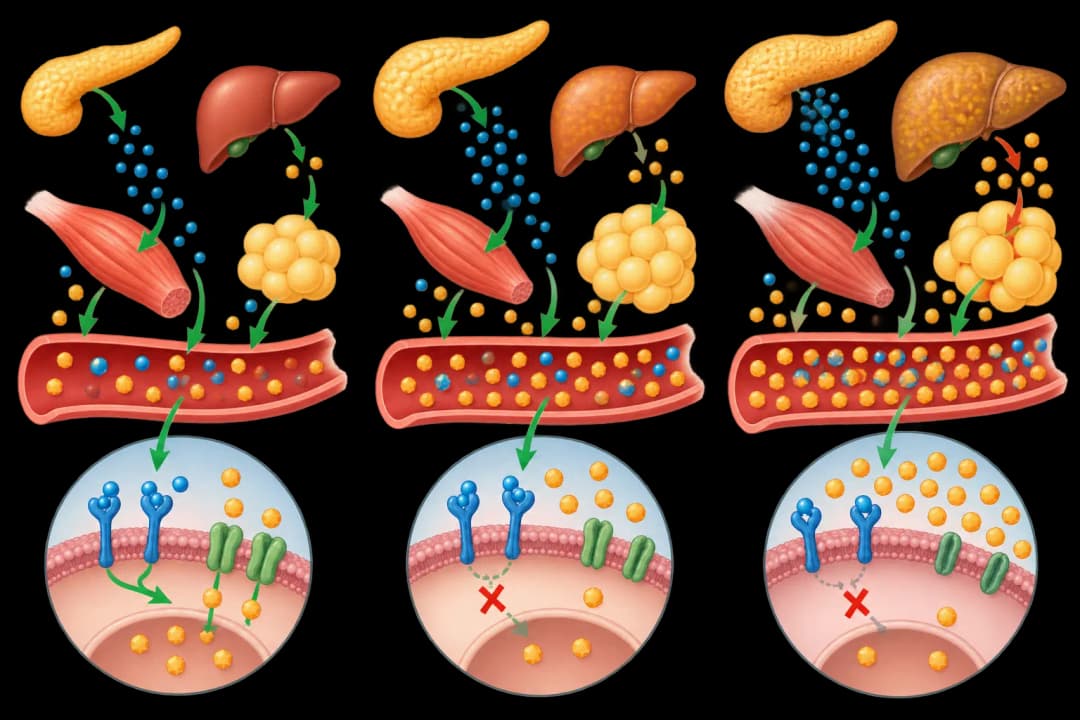
Pregnancy alters hormones, appetite, activity and the way the body responds to insulin. Existing type 2 diabetes is different from diabetes first recognised during pregnancy, so tell the maternity team about your diagnosis and every medicine or supplement you take. Glucose targets and treatment may need review as pregnancy progresses.
Good care helps monitor the pregnant person’s blood pressure, kidneys, eyes and general wellbeing while ultrasound and maternity reviews follow the baby’s growth. Weight, including <a href="/conditions/obesity/">Obesity</a>, may be discussed without blame because it can affect planning.
Daily steps and appointments
Check glucose at the times your team recommends and record readings, meals, activity and any low-glucose symptoms. Keep appointments with diabetes and maternity clinicians, and ask before changing medicine. Some treatments used outside pregnancy may need replacing, so do not stop them suddenly on your own.
Eat regular, balanced meals that suit your care plan, stay hydrated and choose activity that your maternity team considers safe. Learn how to treat <a href="/conditions/hypoglycaemia/">Hypoglycaemia</a>; vomiting, reduced intake or illness can change glucose quickly. Tell the team promptly if you cannot follow the plan.
When to seek urgent advice
Call your maternity or diabetes team promptly for repeated low or high readings, persistent vomiting, inability to drink, reduced fetal movement, vaginal bleeding, severe headache, vision changes or sudden swelling. Seek emergency help for fainting, confusion, difficulty breathing, chest pain or severe abdominal pain.
Questions for your care team
Ask what glucose targets apply to you, which medicines are appropriate, how illness affects testing, and when to contact the maternity unit. Discuss birth planning, feeding after birth and how your diabetes treatment may change once pregnancy ends.
Find care
General Clinics & Polyclinics in Abu Dhabi
That answer is general. If you want it applied to your own case, these are licensed general clinics & polyclinics listed in Abu Dhabi.
27 Ar Ruwwad St - Shakhbout City - MSH4 - Abu Dhabi - United Arab Emirates
Accepts: Daman, Thiqa, Cigna, MetLife +20 more
Al Ruwais, Al Dhafrah
Accepts: Daman, Thiqa, AXA, Cigna +16 more
Al Bahyah - Al Bahyah Old - Abu Dhabi - United Arab Emirates
Accepts: Daman, Thiqa, Cigna, Allianz Care +18 more
Abu Dhabi
Accepts: Daman, Thiqa, AXA, Cigna +27 more
Ordered by verification status and how complete each clinic's public record is, then alphabetically. This is a directory listing, not a ranking — Zavis does not rate or recommend providers.
A factual listing drawn from the DHA, DOH and MOHAP licence registers. It is not a referral, an endorsement, or advice that any of these providers is right for you.
Questions people ask
Should I stop my diabetes medicine when I become pregnant?
No. Contact your diabetes team promptly so medicines can be reviewed safely; do not make changes alone.
Can pregnancy make glucose harder to control?
Yes. Hormonal changes can alter insulin needs, which is why monitoring and review become more frequent.
Related
Related reading
Keep reading
Medical disclaimer. This page is general health information, not medical advice, and it cannot diagnose you. Always consult a licensed healthcare provider about your own symptoms and treatment. In an emergency in the UAE, call 998 for an ambulance.