
What should you know about type 2 diabetes and physical exercise?
Short answer
Physical exercise can help your body use insulin more effectively, but type 2 diabetes requires a plan for glucose checks, medicines and safety.
This answers one question. It is not a diagnosis and does not replace an assessment by a licensed doctor.
At a glance
- Potential benefit
- Improved insulin sensitivity.
- Safety focus
- Glucose, footwear and foot checks.
- Start point
- Choose manageable activity and progress gradually.
Why movement changes glucose
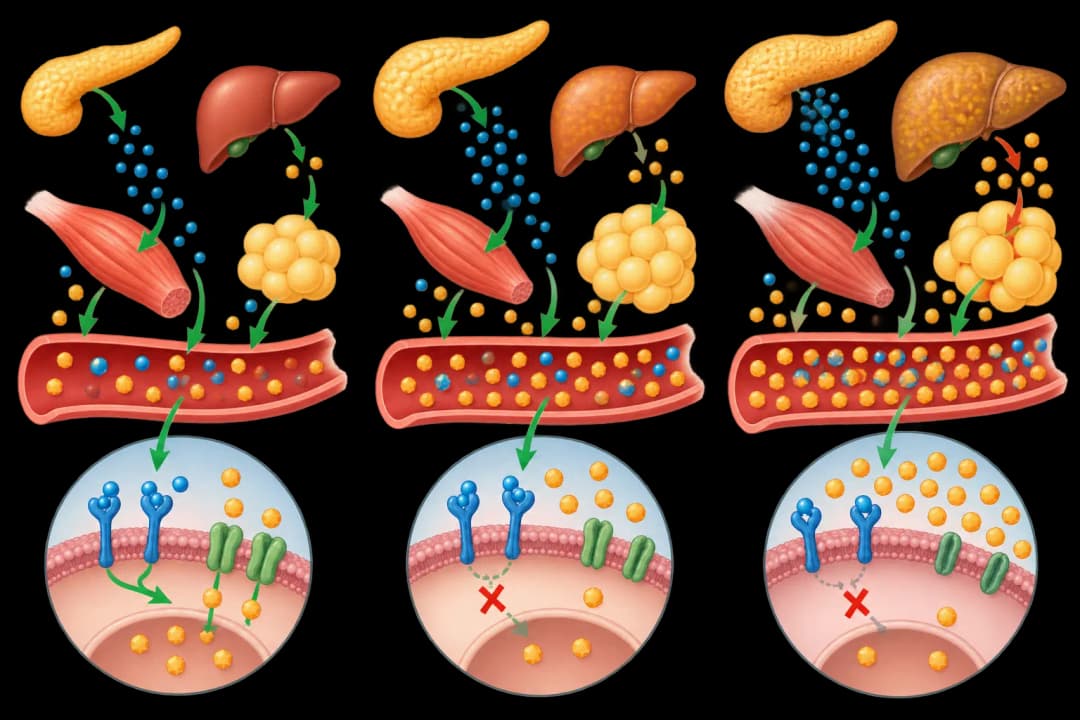
Working muscles use glucose for energy and can become more responsive to insulin during and after activity. Walking, cycling, swimming, resistance exercises and active daily tasks may all contribute. The response varies with the intensity and duration of exercise, your food intake, and medicines such as insulin or medicines that increase insulin release.
Foot sensation, circulation, eyesight, heart symptoms and joint problems affect which activities are suitable. Peripheral neuropathy or peripheral arterial disease may make foot protection and gradual progression especially important.
Build a safer routine
Start with an activity you can repeat comfortably, warm up, and increase the workload gradually. Wear well-fitting footwear, inspect your feet after exercise and carry a source of fast-acting carbohydrate if your clinician advises it. Check glucose when your care plan recommends, particularly when changing activity or using medicines that can cause hypoglycaemia.
Drink fluids, avoid exercising through illness without advice, and keep a record of activity alongside glucose readings. Ask for an exercise referral if you have chest discomfort, breathlessness, kidney disease, eye disease or longstanding diabetes complications.
When to stop and seek help
Stop exercising and seek urgent help for chest pressure, severe breathlessness, fainting, new weakness, confusion or difficulty speaking. Get medical advice for persistent dizziness, repeated low readings, a foot blister that does not settle, or a wound with spreading redness and warmth. Sudden neurological symptoms may indicate a stroke and need emergency care.
Questions for your doctor
Ask which activities match your heart, feet, eyes and joints; when to check glucose; whether medicines need timing changes; and what reading or symptom means you should stop. Request a personalised sick-day and hypoglycaemia plan if exercise is new to you.
Find care
General Clinics & Polyclinics in Abu Dhabi
That answer is general. If you want it applied to your own case, these are licensed general clinics & polyclinics listed in Abu Dhabi.
27 Ar Ruwwad St - Shakhbout City - MSH4 - Abu Dhabi - United Arab Emirates
Accepts: Daman, Thiqa, Cigna, MetLife +20 more
Al Ruwais, Al Dhafrah
Accepts: Daman, Thiqa, AXA, Cigna +16 more
Al Bahyah - Al Bahyah Old - Abu Dhabi - United Arab Emirates
Accepts: Daman, Thiqa, Cigna, Allianz Care +18 more
Abu Dhabi
Accepts: Daman, Thiqa, AXA, Cigna +27 more
Ordered by verification status and how complete each clinic's public record is, then alphabetically. This is a directory listing, not a ranking — Zavis does not rate or recommend providers.
A factual listing drawn from the DHA, DOH and MOHAP licence registers. It is not a referral, an endorsement, or advice that any of these providers is right for you.
Questions people ask
Can I exercise with type 2 diabetes?
Many people can, but the safest activity and glucose plan depends on medicines, fitness, complications and other health conditions.
Why can glucose fall after exercise?
Muscles may continue taking up glucose after activity, and some medicines can amplify this effect, so ask how long to monitor after exercise.
Related
Related reading
Keep reading
Medical disclaimer. This page is general health information, not medical advice, and it cannot diagnose you. Always consult a licensed healthcare provider about your own symptoms and treatment. In an emergency in the UAE, call 998 for an ambulance.