
What should you know about type 2 diabetes dementia symptoms?
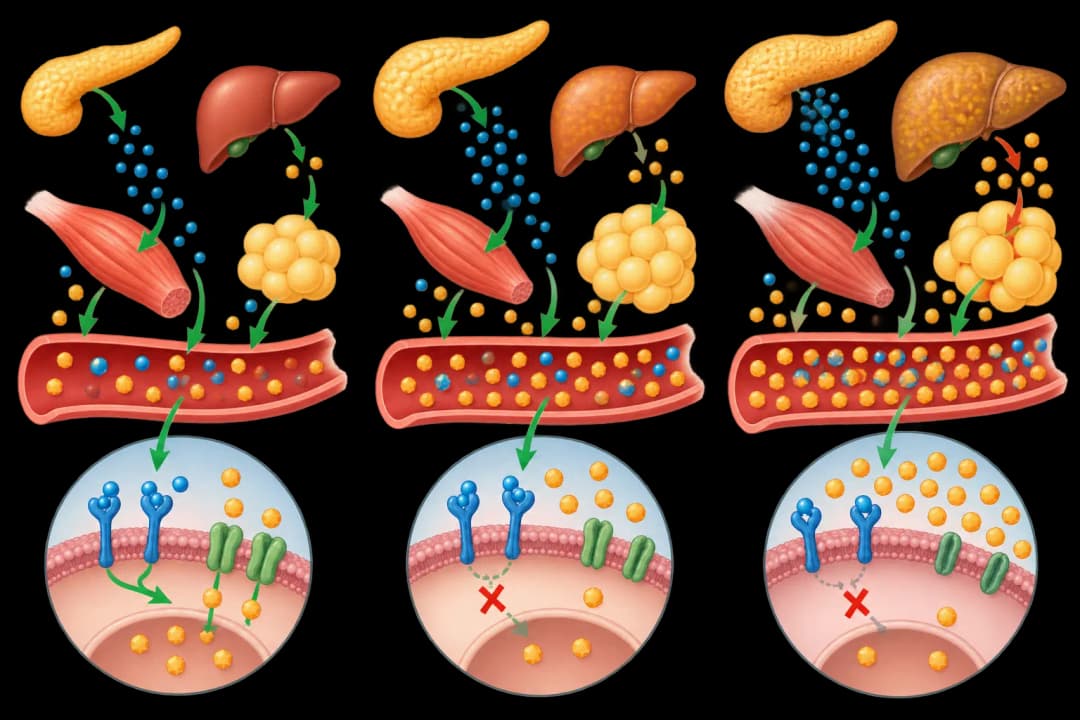
Short answer
Type 2 diabetes can coexist with memory or thinking changes, but sudden confusion needs urgent assessment because low glucose and stroke can mimic dementia.
This answers one question. It is not a diagnosis and does not replace an assessment by a licensed doctor.
At a glance
- Sudden confusion
- Needs urgent assessment
- Possible contributors
- Glucose changes, medicines, infection, mood or dementia
How symptoms may appear
Dementia-related changes usually develop gradually and may affect recent memory, planning, language, judgement or familiar tasks. A person may repeat questions, lose track of medicines, struggle with bills or become disoriented in a known place. These signs do not prove dementia. Glucose that is too low can cause sweating, shaking, irritability, drowsiness or confusion, while glucose that is high or dehydration can also affect concentration. Sleep problems, depression, infection and medicine effects may contribute. A clinician can review the timeline, medicines, glucose history and daily function before arranging further assessment.
Practical next steps
Write down when the change began, what happened, how long it lasted and whether food or glucose treatment helped. Keep medicines organised and involve a trusted person if doses or appointments are being missed. Do not stop diabetes or memory medicines without advice. Bring glucose records and a complete medicine list to an appointment. Ask for a review of hearing, vision, mood, sleep, hydration and possible infection. If walking is unsteady or feet are numb, mention Peripheral Neuropathy; kidney disease can also affect medicine choices, so discuss Chronic Kidney Disease when relevant.
When confusion is an emergency
Call emergency services for sudden confusion with facial drooping, one-sided weakness, trouble speaking, collapse, a seizure, severe headache or difficulty breathing. These can be signs of Stroke or another emergency. Treat suspected low glucose only as your diabetes team has taught you, and seek urgent help if the person cannot swallow, loses consciousness or does not improve. Arrange prompt medical review for a rapid decline, repeated episodes, fever, falls, new incontinence or inability to manage basic needs safely.
Useful questions for the consultation
Ask whether the pattern sounds sudden or progressive, whether glucose or a medicine could explain it, and which tests are appropriate. Ask how a family member can support medication safety, what symptoms require emergency action and when follow-up should occur.
Find care
General Clinics & Polyclinics in Abu Dhabi
That answer is general. If you want it applied to your own case, these are licensed general clinics & polyclinics listed in Abu Dhabi.
27 Ar Ruwwad St - Shakhbout City - MSH4 - Abu Dhabi - United Arab Emirates
Accepts: Daman, Thiqa, Cigna, MetLife +20 more
Al Ruwais, Al Dhafrah
Accepts: Daman, Thiqa, AXA, Cigna +16 more
Al Bahyah - Al Bahyah Old - Abu Dhabi - United Arab Emirates
Accepts: Daman, Thiqa, Cigna, Allianz Care +18 more
Abu Dhabi
Accepts: Daman, Thiqa, AXA, Cigna +27 more
Ordered by verification status and how complete each clinic's public record is, then alphabetically. This is a directory listing, not a ranking — Zavis does not rate or recommend providers.
A factual listing drawn from the DHA, DOH and MOHAP licence registers. It is not a referral, an endorsement, or advice that any of these providers is right for you.
Questions people ask
Does forgetfulness in diabetes always mean dementia?
No. Glucose changes, medicines, sleep, mood, infection and other conditions can cause similar problems.
What should a caregiver record?
Record the timing, symptoms, glucose reading if available, food or treatment given, and recovery.
Related
Related reading
Keep reading
Medical disclaimer. This page is general health information, not medical advice, and it cannot diagnose you. Always consult a licensed healthcare provider about your own symptoms and treatment. In an emergency in the UAE, call 998 for an ambulance.