
Treatment for pneumonia in older adults
Short answer
Treatment for pneumonia in an older adult depends on the cause and severity, and may include antibiotics, oxygen, fluids, and close monitoring.
This answers one question. It is not a diagnosis and does not replace an assessment by a licensed doctor.
At a glance
- Treatment choice
- Depends on cause, severity, and overall health
- Monitor
- Breathing, oxygen, hydration, and alertness
- Urgent change
- Confusion or severe breathlessness
How pneumonia affects older adults
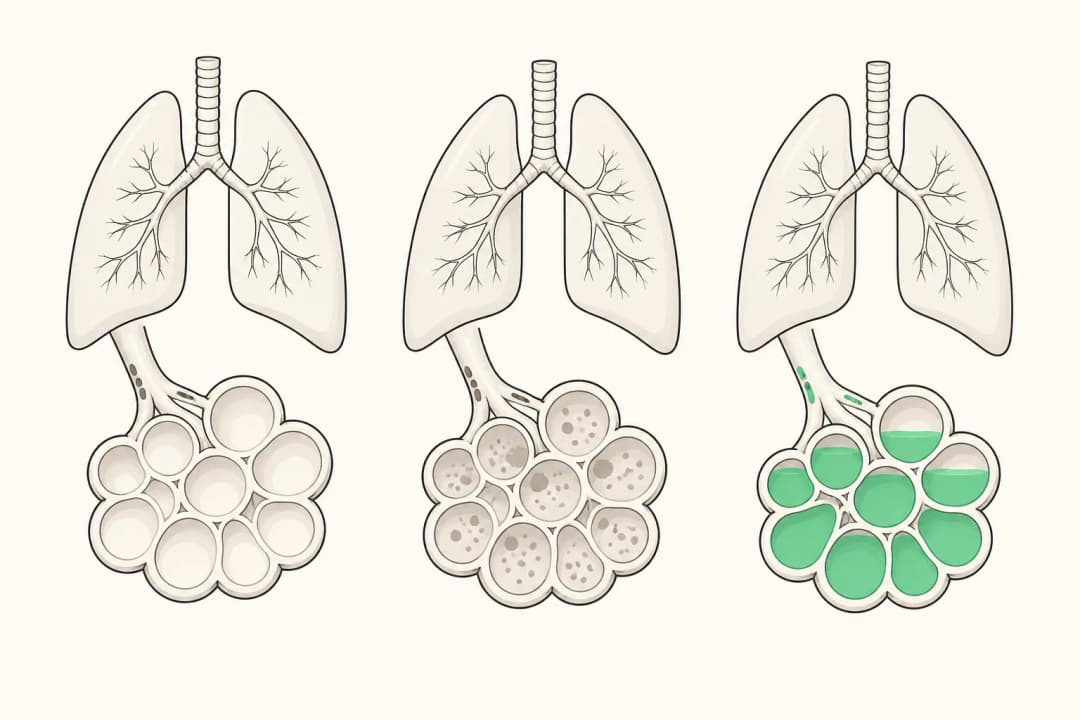
Pneumonia is an infection or inflammation in the lungs that can make breathing and oxygen exchange harder. In an older person, it may cause cough, fever, chills, or phlegm, but it can also appear as unusual sleepiness, confusion, weakness, reduced appetite, or a fall. A clinician may check breathing, oxygen level, hydration, and mental alertness, then decide whether tests or hospital care are needed.
The cause matters. Bacterial pneumonia may need antibiotics, while viral illnesses such as influenza or COVID-19 need a different plan. Antibiotics do not treat viruses. Recovery can be uneven, so a family member or carer should watch for changes even when symptoms initially seem mild.
Supporting recovery
Follow the prescribed treatment exactly, encourage suitable fluids and nutrition, and allow rest with gentle activity as strength returns. Keep a written record of medicines, temperature changes, breathing symptoms, and alertness. Check that the person can drink, take medicines, and move safely. A clinician may arrange follow-up to reassess breathing and recovery.
Do not give leftover antibiotics or cough medicines without checking first, especially if the person has kidney disease, swallowing difficulty, or several regular medicines. Vaccination and hand hygiene can reduce the risk of some respiratory infections; ask the healthcare team what is appropriate.
When to seek urgent help
Get urgent medical help for severe breathlessness, blue or grey lips, chest pain, new confusion, unusual difficulty waking, collapse, inability to keep fluids down, or rapidly worsening weakness. Contact a clinician promptly if fever persists, cough worsens, phlegm changes, or the person is drinking and passing urine much less than usual. Sepsis is a serious complication that requires immediate assessment.
Questions for the care team
What is the likely cause, and how will we know treatment is working? Does this person need hospital assessment? Which medicines should be paused or adjusted? What breathing or alertness changes should prompt an immediate call?
Find care
General Clinics & Polyclinics in Abu Dhabi
That answer is general. If you want it applied to your own case, these are licensed general clinics & polyclinics listed in Abu Dhabi.
27 Ar Ruwwad St - Shakhbout City - MSH4 - Abu Dhabi - United Arab Emirates
Accepts: Daman, Thiqa, Cigna, MetLife +20 more
Al Ruwais, Al Dhafrah
Accepts: Daman, Thiqa, AXA, Cigna +16 more
Al Bahyah - Al Bahyah Old - Abu Dhabi - United Arab Emirates
Accepts: Daman, Thiqa, Cigna, Allianz Care +18 more
Abu Dhabi
Accepts: Daman, Thiqa, AXA, Cigna +27 more
Ordered by verification status and how complete each clinic's public record is, then alphabetically. This is a directory listing, not a ranking — Zavis does not rate or recommend providers.
A factual listing drawn from the DHA, DOH and MOHAP licence registers. It is not a referral, an endorsement, or advice that any of these providers is right for you.
Questions people ask
Can pneumonia in an older person cause confusion?
Yes. Infection, low oxygen, dehydration, or medicine effects may contribute to sudden confusion or unusual drowsiness and should be assessed promptly.
Are antibiotics always needed?
No. They treat bacterial infections, not viral causes. A clinician decides after assessing the person and the likely cause.
Medical disclaimer. This page is general health information, not medical advice, and it cannot diagnose you. Always consult a licensed healthcare provider about your own symptoms and treatment. In an emergency in the UAE, call 998 for an ambulance.