
What should you know about Thalassaemia Day?
Short answer
Thalassaemia Day raises awareness of an inherited blood condition and encourages informed screening, treatment and support.
This answers one question. It is not a diagnosis and does not replace an assessment by a licensed doctor.
At a glance
- Focus
- Awareness, accurate information, screening and support.
- Inheritance
- Thalassaemia is passed through inherited gene changes.
- Next step
- Discuss personal or family concerns with a qualified clinician.
Why awareness matters
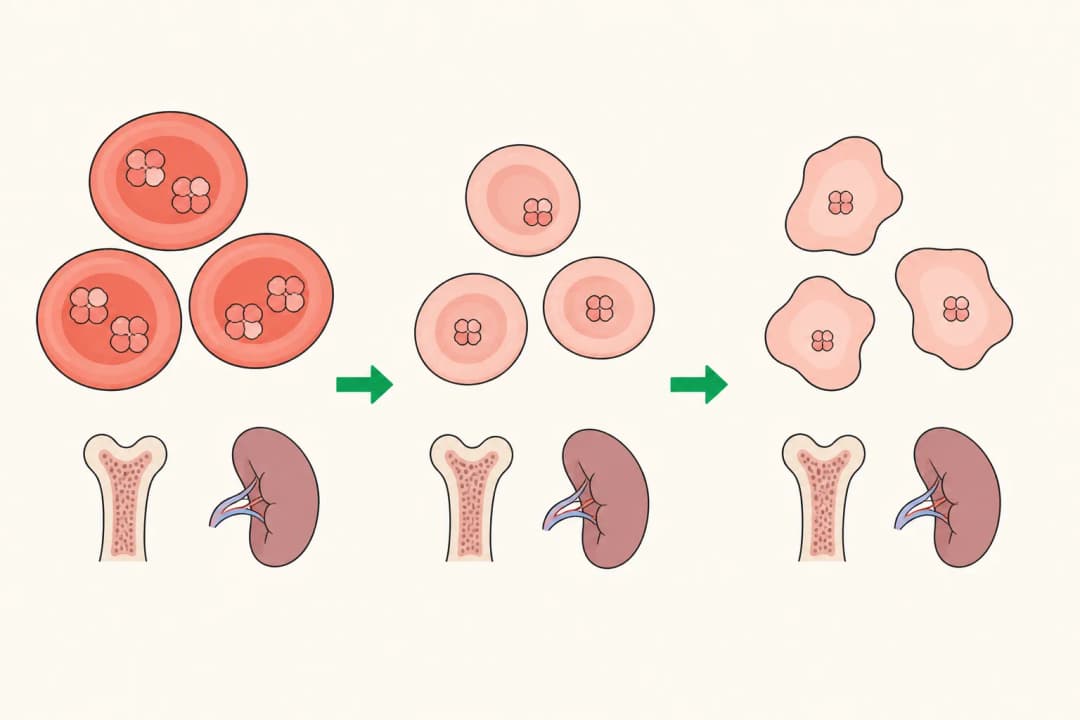
Thalassaemia affects haemoglobin production and may range from a trait with few symptoms to a condition needing ongoing specialist care. An awareness day can help people recognise that the condition is inherited, not contagious, and not caused by a personal failing. It also creates space to discuss anaemia, fatigue and pale skin without assuming that every such symptom has the same explanation. Good information helps families understand screening, treatment plans and questions about inheritance. People living with thalassaemia may need coordinated follow-up, while people with a trait may mainly need clear information for future family planning.
Useful actions
Use the day as a prompt to check whether you understand your own diagnosis or family history. If you have ongoing symptoms or an unexplained blood count, arrange a clinical review and ask whether a blood test is appropriate. Couples planning a marriage or pregnancy can discuss premarital screening and genetic counselling, especially when thalassaemia is known in either family. Keep copies of relevant results and tell healthcare professionals about established specialist advice. Do not take iron or other supplements solely because awareness material mentions anaemia; treatment depends on the actual cause.
When to seek care
Awareness activities do not replace assessment. Book an appointment for persistent fatigue, pale skin, breathlessness, or a blood result that needs explanation. Seek urgent help for severe breathing difficulty, chest pain, fainting, confusion, or sudden weakness. Anyone already receiving thalassaemia care should follow their agreed plan when new symptoms arise.
Questions for your doctor
What does my family history suggest about inheritance? Should I have screening or repeat testing? Could my symptoms have another cause? What support is available if I have a thalassaemia trait or diagnosis?
Find care
General Clinics & Polyclinics in Abu Dhabi
That answer is general. If you want it applied to your own case, these are licensed general clinics & polyclinics listed in Abu Dhabi.
27 Ar Ruwwad St - Shakhbout City - MSH4 - Abu Dhabi - United Arab Emirates
Accepts: Daman, Thiqa, Cigna, MetLife +20 more
Al Ruwais, Al Dhafrah
Accepts: Daman, Thiqa, AXA, Cigna +16 more
Al Bahyah - Al Bahyah Old - Abu Dhabi - United Arab Emirates
Accepts: Daman, Thiqa, Cigna, Allianz Care +18 more
Abu Dhabi
Accepts: Daman, Thiqa, AXA, Cigna +27 more
Ordered by verification status and how complete each clinic's public record is, then alphabetically. This is a directory listing, not a ranking — Zavis does not rate or recommend providers.
A factual listing drawn from the DHA, DOH and MOHAP licence registers. It is not a referral, an endorsement, or advice that any of these providers is right for you.
Questions people ask
Is Thalassaemia Day only for people with the condition?
No. It can help patients, families, partners and the wider community understand inheritance and care.
Can an awareness day tell me whether I have thalassaemia?
No. A clinician uses your history and appropriate testing to assess the possibility.
Related
Related reading
Keep reading
Medical disclaimer. This page is general health information, not medical advice, and it cannot diagnose you. Always consult a licensed healthcare provider about your own symptoms and treatment. In an emergency in the UAE, call 998 for an ambulance.