
Teenager Irregular Periods: What to Know
Short answer
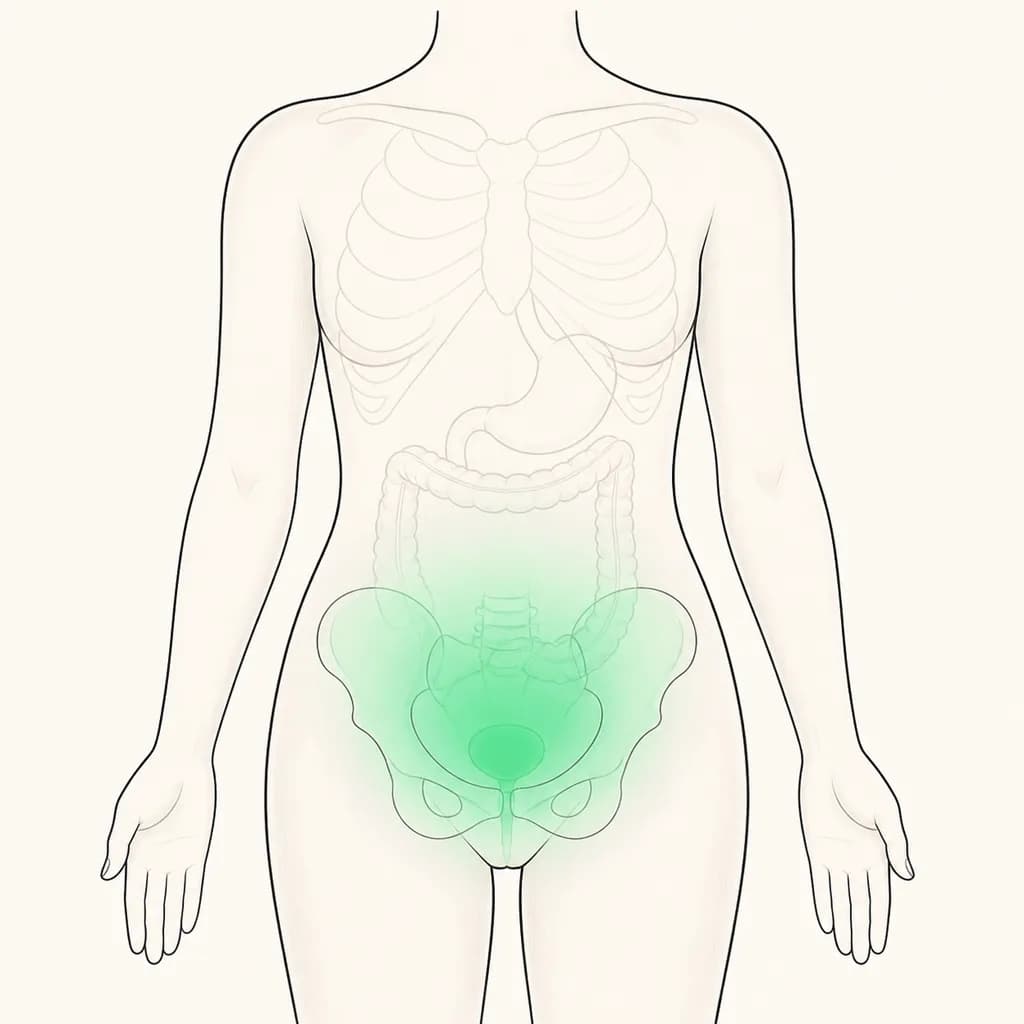
Teenager irregular periods are often linked to changing ovulation, but persistent or troublesome changes deserve a medical assessment.
This answers one question. It is not a diagnosis and does not replace an assessment by a licensed doctor.
At a glance
- Common reason
- Ovulation may be inconsistent while menstrual cycles mature.
- Track
- Period dates, bleeding, pain, and symptoms between periods.
- Get help urgently
- Heavy bleeding with faintness, severe pain, or shortness of breath.
The short answer
In the first years after the first period, the hormone signals that control ovulation may still be settling. This can make bleeding arrive earlier or later, vary in flow, or occasionally be missed. Irregular bleeding can also occur with stress, significant changes in eating or exercise, some medicines, pregnancy, or a hormone-related condition.
What irregular periods can mean
A changing cycle does not by itself identify one cause. Anovulation means an egg is not released during a cycle and can lead to unpredictable bleeding. Polycystic Ovary Syndrome may be considered when irregular periods occur alongside signs such as acne, increased facial or body hair, or changes in weight. Less commonly, reduced ovarian function can affect periods; Premature Ovarian Insufficiency is one condition a clinician may assess for. Perimenopause is not a typical explanation for a teenager's cycle changes.
If there is any possibility of sexual activity, pregnancy can cause a missed period and should be checked confidentially with a healthcare professional. A clinician may ask about the timing of periods, bleeding amount, pain, nutrition, activity, stress, medicines, and other symptoms before deciding whether tests are needed.
What you can do now
Track the first day of each period, how long bleeding lasts, whether pads or tampons need changing unusually often, pain, and symptoms between periods. A phone calendar or private note can make the pattern easier to explain. Keep meals regular, avoid extreme exercise or restrictive dieting, and mention major stress or sleep disruption at an appointment.
Arrange a routine appointment if irregularity continues, returns after cycles had become predictable, or affects school, sport, sleep, or mood. Treatment depends on the cause. A clinician may discuss observation, hormone treatment such as the Combined Pill, or treatment for a condition such as Polycystic Ovary Syndrome, rather than treating the bleeding pattern alone.
When to seek care
Seek urgent medical help for very heavy bleeding with dizziness, fainting, weakness, shortness of breath, or severe abdominal pain. Prompt assessment is also needed for sudden severe pain, fever, unusual discharge, or bleeding when pregnancy is possible. Do not wait for a routine appointment if symptoms are rapidly worsening.
Book a clinical review for repeated missed periods, bleeding between periods or after sex, persistent pelvic pain, or signs of anaemia such as unusual tiredness. Bring your cycle record and a list of medicines or supplements. A trusted adult can support the visit, and teenagers can ask the clinic about confidential care.
Questions for your doctor
You could ask: What might explain my cycle pattern? Do my other symptoms suggest anovulation or Polycystic Ovary Syndrome? Do I need a pregnancy test or blood tests? What can help with pain or heavy bleeding? Which warning signs should prompt urgent care? If treatment is suggested, ask how it works, what changes to expect, and when the plan should be reviewed.
Find care
General Clinics & Polyclinics in Abu Dhabi
That answer is general. If you want it applied to your own case, these are licensed general clinics & polyclinics listed in Abu Dhabi.
27 Ar Ruwwad St - Shakhbout City - MSH4 - Abu Dhabi - United Arab Emirates
Accepts: Daman, Thiqa, Cigna, MetLife +20 more
Al Ruwais, Al Dhafrah
Accepts: Daman, Thiqa, AXA, Cigna +16 more
Al Bahyah - Al Bahyah Old - Abu Dhabi - United Arab Emirates
Accepts: Daman, Thiqa, Cigna, Allianz Care +18 more
Abu Dhabi
Accepts: Daman, Thiqa, AXA, Cigna +27 more
Ordered by verification status and how complete each clinic's public record is, then alphabetically. This is a directory listing, not a ranking — Zavis does not rate or recommend providers.
A factual listing drawn from the DHA, DOH and MOHAP licence registers. It is not a referral, an endorsement, or advice that any of these providers is right for you.
Questions people ask
Are irregular periods normal for teenagers?
They can happen while hormone signals and ovulation are settling, especially after periods begin. Ongoing, disruptive, or newly worsening changes should be assessed.
Can stress or exercise change a teenager's period?
Yes. Significant stress, intense exercise, inadequate nutrition, or major weight change can affect ovulation and bleeding. Share these changes with a clinician rather than trying to correct them alone.
What if a teenager has missed a period?
Record the timing and consider all possible causes. If sexual activity is possible, arrange a confidential pregnancy check, and seek care promptly for severe pain, faintness, or heavy bleeding.
Related
Related reading
Keep reading
Medical disclaimer. This page is general health information, not medical advice, and it cannot diagnose you. Always consult a licensed healthcare provider about your own symptoms and treatment. In an emergency in the UAE, call 998 for an ambulance.