
Stretching therapy for sport and manual therapies
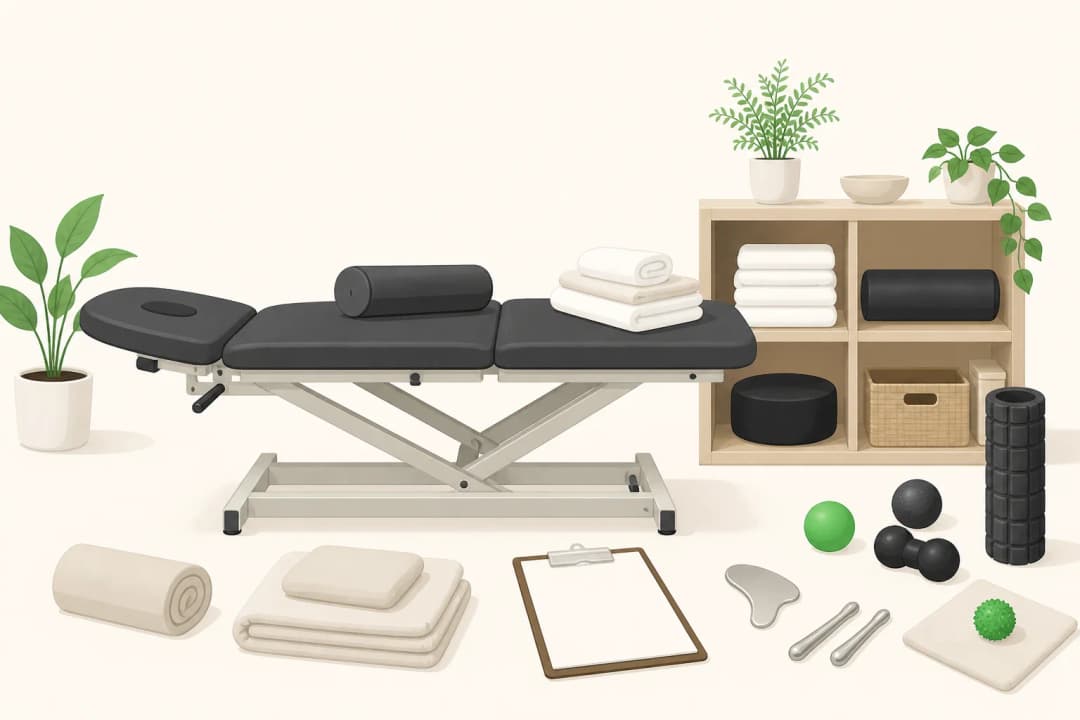
Short answer
Stretching therapy for sport works best when it is tailored to the activity and combined with strength, control, and recovery work.
This answers one question. It is not a diagnosis and does not replace an assessment by a licensed doctor.
At a glance
- Best fit
- An activity-specific, progressive plan
- Often combined with
- Strength, control, and technique practice
How this therapy fits
A physiotherapist may use active stretches, assisted positions, movement drills, or hands-on techniques to improve a restricted movement. The goal is not to make every muscle maximally flexible; it is to help you move with less strain and better control for a sport or daily task. Manual Therapy may be considered alongside exercise. Symptoms linked with Cervical Spondylosis, Myofascial Pain Syndrome, Sacroiliac Joint Dysfunction, or Whiplash require an individual assessment rather than a standard routine.
Using stretching in training
Warm up with easy sport-specific movement before a deeper stretch. Use dynamic movements before activity when suitable, and slower relaxed stretches after training or in a separate session. Keep the sensation mild, breathe normally, and avoid bouncing into pain. Your plan may also include strengthening, balance, technique changes, and gradual return to load. Tell the therapist about previous injuries, joint instability, numbness, or symptoms that change during the session.
When to seek care
Pause a programme and seek advice for new weakness, numbness, severe swelling, a joint that feels unstable, or pain that becomes sharp and does not settle after stopping. Urgent assessment is appropriate after a major injury, deformity, or inability to bear weight or use the affected limb.
Questions for your doctor
Ask which tissues need mobility work, whether stretching should happen before or after sport, how progress will be measured, and which symptoms mean the plan needs changing.
Find care
General Clinics & Polyclinics in Abu Dhabi
That answer is general. If you want it applied to your own case, these are licensed general clinics & polyclinics listed in Abu Dhabi.
27 Ar Ruwwad St - Shakhbout City - MSH4 - Abu Dhabi - United Arab Emirates
Accepts: Daman, Thiqa, Cigna, MetLife +20 more
Al Ruwais, Al Dhafrah
Accepts: Daman, Thiqa, AXA, Cigna +16 more
Al Bahyah - Al Bahyah Old - Abu Dhabi - United Arab Emirates
Accepts: Daman, Thiqa, Cigna, Allianz Care +18 more
Abu Dhabi
Accepts: Daman, Thiqa, AXA, Cigna +27 more
Ordered by verification status and how complete each clinic's public record is, then alphabetically. This is a directory listing, not a ranking — Zavis does not rate or recommend providers.
A factual listing drawn from the DHA, DOH and MOHAP licence registers. It is not a referral, an endorsement, or advice that any of these providers is right for you.
Questions people ask
Is stretching enough for a sports injury?
Often it is only one part of rehabilitation; load management, strength, coordination, and sport-specific practice may also be needed.
Can manual therapy replace exercise?
Hands-on care may make movement easier, but lasting progress commonly depends on active work matched to your goals.
Related
Related reading
Keep reading
Medical disclaimer. This page is general health information, not medical advice, and it cannot diagnose you. Always consult a licensed healthcare provider about your own symptoms and treatment. In an emergency in the UAE, call 998 for an ambulance.