
What should you know about Stenotrophomonas pneumonia?
Short answer
Stenotrophomonas pneumonia is a bacterial lung infection that needs clinical assessment, laboratory guidance, and prompt treatment when symptoms are significant.
This answers one question. It is not a diagnosis and does not replace an assessment by a licensed doctor.
At a glance
- Cause
- Stenotrophomonas maltophilia bacteria
- Assessment
- Symptoms, examination, imaging, and respiratory testing
- Urgency
- Breathing difficulty or confusion needs emergency help
What this infection means
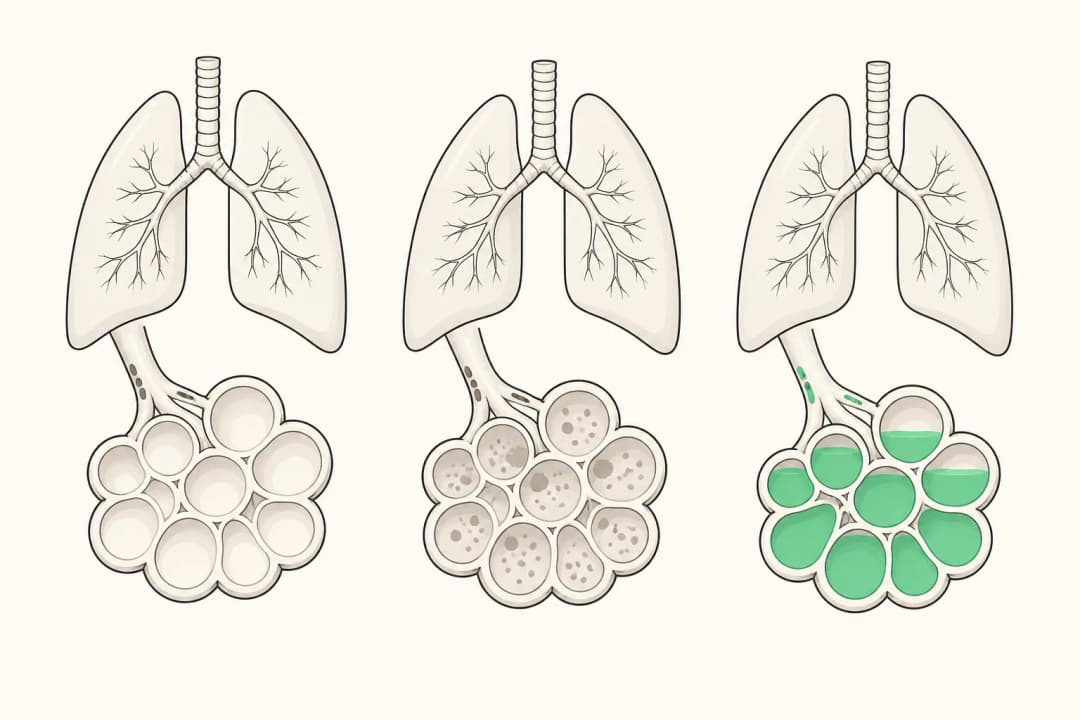
Stenotrophomonas maltophilia can cause pneumonia, particularly in people whose lungs or immune system are already vulnerable, or after healthcare exposure. Finding the bacterium in a respiratory sample does not always prove that it is causing illness; clinicians match the result with symptoms, imaging, examination, and the person’s overall condition.
Pneumonia may cause cough, fever, chills, breathlessness, chest discomfort, or coughing up phlegm. COVID-19 and influenza can cause similar symptoms, so testing may be needed to identify more than one infection or to guide isolation and treatment decisions.
What to do during assessment and treatment
Take prescribed antibiotics for the full plan unless the treating clinician changes it, and report side effects promptly. The choice of antibiotic depends on laboratory susceptibility results, previous medicines, allergies, kidney function, and how severe the illness is. Do not use leftover antibiotics or share them.
Rest, drink fluids if safe for you, and monitor breathing, alertness, temperature, and the amount or colour of phlegm. People with significant illness may need oxygen, fluids, hospital monitoring, or treatment for another infection. Keep follow-up appointments so the response can be checked.
When to seek urgent help
Get emergency help for severe breathlessness, blue or grey lips, new confusion, fainting, inability to stay awake, or rapidly worsening weakness. Seek urgent medical advice for persistent fever with shaking chills, chest pain, coughing blood, or an inability to keep fluids down.
Sepsis is a serious response to infection. Warning signs can include rapidly worsening illness, very fast breathing, confusion, mottled or unusually pale skin, or passing much less urine. Do not wait for a routine review when these signs appear.
Questions for your doctor
Ask whether the sample result represents infection or colonisation, which antibiotics the laboratory supports, how long treatment is expected to last, and what improvement should look like. Ask when breathing tests or repeat imaging are needed and which symptoms should send you to emergency care.
Find care
General Clinics & Polyclinics in Abu Dhabi
That answer is general. If you want it applied to your own case, these are licensed general clinics & polyclinics listed in Abu Dhabi.
27 Ar Ruwwad St - Shakhbout City - MSH4 - Abu Dhabi - United Arab Emirates
Accepts: Daman, Thiqa, Cigna, MetLife +20 more
Al Ruwais, Al Dhafrah
Accepts: Daman, Thiqa, AXA, Cigna +16 more
Al Bahyah - Al Bahyah Old - Abu Dhabi - United Arab Emirates
Accepts: Daman, Thiqa, Cigna, Allianz Care +18 more
Abu Dhabi
Accepts: Daman, Thiqa, AXA, Cigna +27 more
Ordered by verification status and how complete each clinic's public record is, then alphabetically. This is a directory listing, not a ranking — Zavis does not rate or recommend providers.
A factual listing drawn from the DHA, DOH and MOHAP licence registers. It is not a referral, an endorsement, or advice that any of these providers is right for you.
Questions people ask
Is Stenotrophomonas found in every respiratory sample an infection?
No. Clinicians decide whether it is causing pneumonia by comparing the sample with symptoms, examination, imaging, and the person’s health context.
Can Stenotrophomonas pneumonia be treated?
Treatment is selected by a clinician using laboratory susceptibility results and the person’s medical factors, with monitoring for response and side effects.
Medical disclaimer. This page is general health information, not medical advice, and it cannot diagnose you. Always consult a licensed healthcare provider about your own symptoms and treatment. In an emergency in the UAE, call 998 for an ambulance.