
What should you know about slow transit constipation?
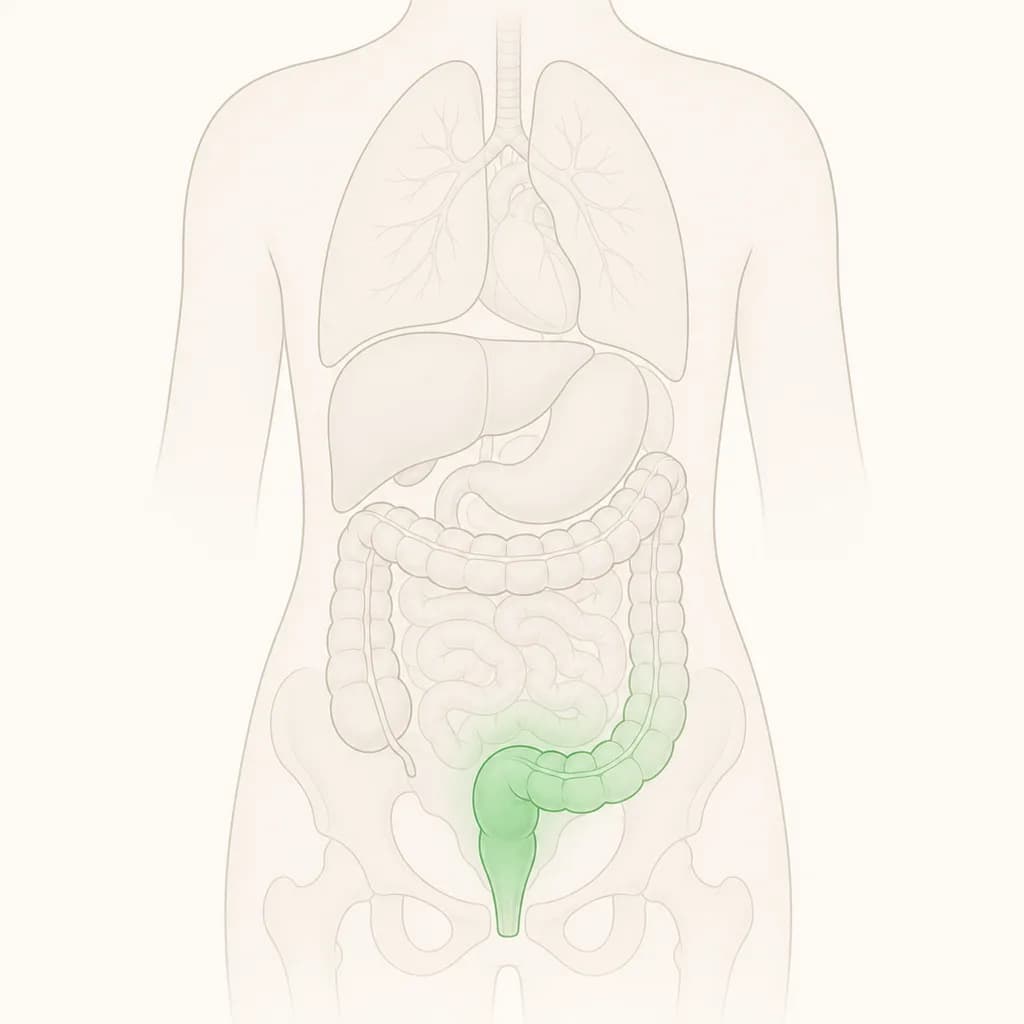
Short answer
Slow transit constipation means stool moves slowly through the colon, causing infrequent, difficult, or incomplete bowel movements.
This answers one question. It is not a diagnosis and does not replace an assessment by a licensed doctor.
At a glance
- Main problem
- Slow movement of stool through the colon
- Common effects
- Hard stool, straining, bloating, or incomplete emptying
- Helpful record
- Bowel pattern, stool form, symptoms, medicines, and fluids
How it can feel
People may pass hard stools, strain, feel blocked, or still feel full after using the toilet. Bloating and abdominal discomfort can occur. The colon normally moves stool forward through coordinated muscle contractions; when that movement is sluggish, stool remains longer and more water is removed, making it harder to pass.
Low fluid intake, reduced activity, some medicines, and changes in eating patterns can contribute. A clinician may also consider [Hypothyroidism](/conditions/hypothyroidism/), [Irritable Bowel Syndrome](/conditions/irritable-bowel-syndrome/), or another bowel problem. Constipation can also occur with [Dehydration](/conditions/dehydration/).
Steps that may help
Keep a record of bowel movements, stool form, pain, medicines, and food changes. Drink fluids regularly unless a clinician has given you a fluid restriction, add fibre gradually, and walk or move each day if able. A regular toilet routine after a meal and a footstool to raise the knees may make passing stool easier. [Nutrition Counselling](/treatments/lifestyle-and-wellness/nutrition-counselling/) can help tailor changes. Do not start frequent laxatives or stop prescribed medicines without advice.
When to seek medical care
Arrange an assessment for persistent constipation, a new change in bowel habit, repeated vomiting, unexplained weight loss, blood in stool, or ongoing abdominal swelling. Seek urgent help for severe or worsening pain, a rigid abdomen, vomiting with inability to pass stool or gas, or marked weakness. These features can signal obstruction or another condition, including [Diverticular Disease](/conditions/diverticular-disease/).
Useful questions
Ask whether your symptoms fit slow transit constipation, whether any medicine could be slowing the bowel, and which treatment should be tried first. Ask whether thyroid assessment is appropriate and whether [Thyroid Hormone Replacement](/treatments/medical-management/thyroid-hormone-replacement/) would apply if hypothyroidism is found.
Find care
General Clinics & Polyclinics in Abu Dhabi
That answer is general. If you want it applied to your own case, these are licensed general clinics & polyclinics listed in Abu Dhabi.
27 Ar Ruwwad St - Shakhbout City - MSH4 - Abu Dhabi - United Arab Emirates
Accepts: Daman, Thiqa, Cigna, MetLife +20 more
Al Ruwais, Al Dhafrah
Accepts: Daman, Thiqa, AXA, Cigna +16 more
Al Bahyah - Al Bahyah Old - Abu Dhabi - United Arab Emirates
Accepts: Daman, Thiqa, Cigna, Allianz Care +18 more
Abu Dhabi
Accepts: Daman, Thiqa, AXA, Cigna +27 more
Ordered by verification status and how complete each clinic's public record is, then alphabetically. This is a directory listing, not a ranking — Zavis does not rate or recommend providers.
A factual listing drawn from the DHA, DOH and MOHAP licence registers. It is not a referral, an endorsement, or advice that any of these providers is right for you.
Questions people ask
Does slow transit constipation always cause pain?
No. Some people mainly notice infrequent stools or incomplete emptying, while others have bloating or discomfort.
Should fibre be increased quickly?
A gradual increase is usually easier to tolerate; sudden extra fibre may worsen bloating, especially when fluid intake is low.
Related
Related reading
Keep reading
Medical disclaimer. This page is general health information, not medical advice, and it cannot diagnose you. Always consult a licensed healthcare provider about your own symptoms and treatment. In an emergency in the UAE, call 998 for an ambulance.