
What are the signs of aspiration pneumonia in dogs?
Short answer
Signs of aspiration pneumonia in dogs can include coughing, fast or difficult breathing, fever, tiredness, reduced appetite, and nasal discharge after aspiration.
This answers one question. It is not a diagnosis and does not replace an assessment by a licensed doctor.
At a glance
- Breathing change
- Fast, noisy, or effortful breathing
- After aspiration
- Persistent cough after choking or vomiting
- Safe next step
- Keep calm and contact a veterinarian promptly
What aspiration can do
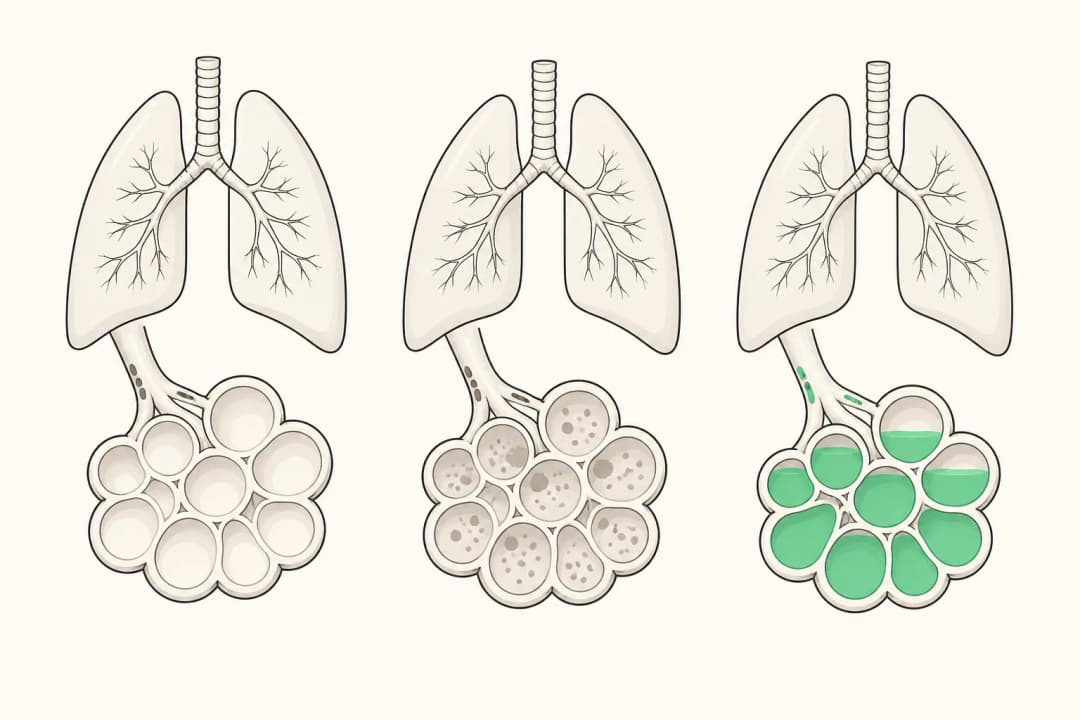
Aspiration pneumonia is a lung infection that may occur when food, water, vomit, saliva, or liquid medicine enters a dog’s airways. A dog may cough during or after eating, gag, swallow repeatedly, breathe noisily, or develop a wet-sounding cough. Other changes include fever, low energy, reluctance to move, poor appetite, nasal discharge, and breathing with the belly. Risk is higher when swallowing is impaired, vomiting is frequent, the dog is very young or old, or sedation has reduced normal protective reflexes.
What to do for your dog
Call a veterinarian promptly after a choking or vomiting episode if coughing persists or breathing changes. Keep the dog calm and limit activity during transport. Do not force food, water, or oral medicine, and do not give leftover antibiotics. The veterinarian may assess breathing, temperature, hydration, and oxygen levels, then use chest imaging or other tests. Treatment can include veterinary-prescribed medicines, oxygen, fluids, and care for the swallowing or digestive problem that caused aspiration.
When it is an emergency
Seek emergency veterinary care for open-mouth breathing, blue or grey gums, collapse, severe weakness, marked belly effort, or inability to settle because of breathlessness. A dog that becomes confused, stops responding, or rapidly worsens needs immediate help. Do not wait for fever if breathing is abnormal; serious lung infection can progress before all signs appear.
Questions for the veterinarian
Ask what likely entered the airway, whether swallowing or reflux needs investigation, and how meals, water, and medicines should be given safely. Ask which warning signs mean returning immediately and how activity should be limited during recovery.
Find care
General Clinics & Polyclinics in Abu Dhabi
That answer is general. If you want it applied to your own case, these are licensed general clinics & polyclinics listed in Abu Dhabi.
27 Ar Ruwwad St - Shakhbout City - MSH4 - Abu Dhabi - United Arab Emirates
Accepts: Daman, Thiqa, Cigna, MetLife +20 more
Al Ruwais, Al Dhafrah
Accepts: Daman, Thiqa, AXA, Cigna +16 more
Al Bahyah - Al Bahyah Old - Abu Dhabi - United Arab Emirates
Accepts: Daman, Thiqa, Cigna, Allianz Care +18 more
Abu Dhabi
Accepts: Daman, Thiqa, AXA, Cigna +27 more
Ordered by verification status and how complete each clinic's public record is, then alphabetically. This is a directory listing, not a ranking — Zavis does not rate or recommend providers.
A factual listing drawn from the DHA, DOH and MOHAP licence registers. It is not a referral, an endorsement, or advice that any of these providers is right for you.
Questions people ask
Can a dog develop pneumonia after vomiting?
Yes. Vomit can enter the lungs, especially when protective swallowing and coughing reflexes are impaired.
Should I give my dog water after a coughing episode?
Do not force water; ask a veterinarian, particularly if swallowing seems difficult or coughing continues.
Medical disclaimer. This page is general health information, not medical advice, and it cannot diagnose you. Always consult a licensed healthcare provider about your own symptoms and treatment. In an emergency in the UAE, call 998 for an ambulance.