
Septic shock secondary to pneumonia: what to know
Short answer
Septic shock secondary to pneumonia is a life-threatening complication in which a lung infection triggers widespread inflammation and dangerously poor circulation.
This answers one question. It is not a diagnosis and does not replace an assessment by a licensed doctor.
At a glance
- Cause
- A lung infection can trigger a whole-body response.
- Warning signs
- Breathlessness, confusion, faintness and cold clammy skin are urgent signs.
- Treatment setting
- Possible shock needs emergency hospital care.
How pneumonia can lead to shock
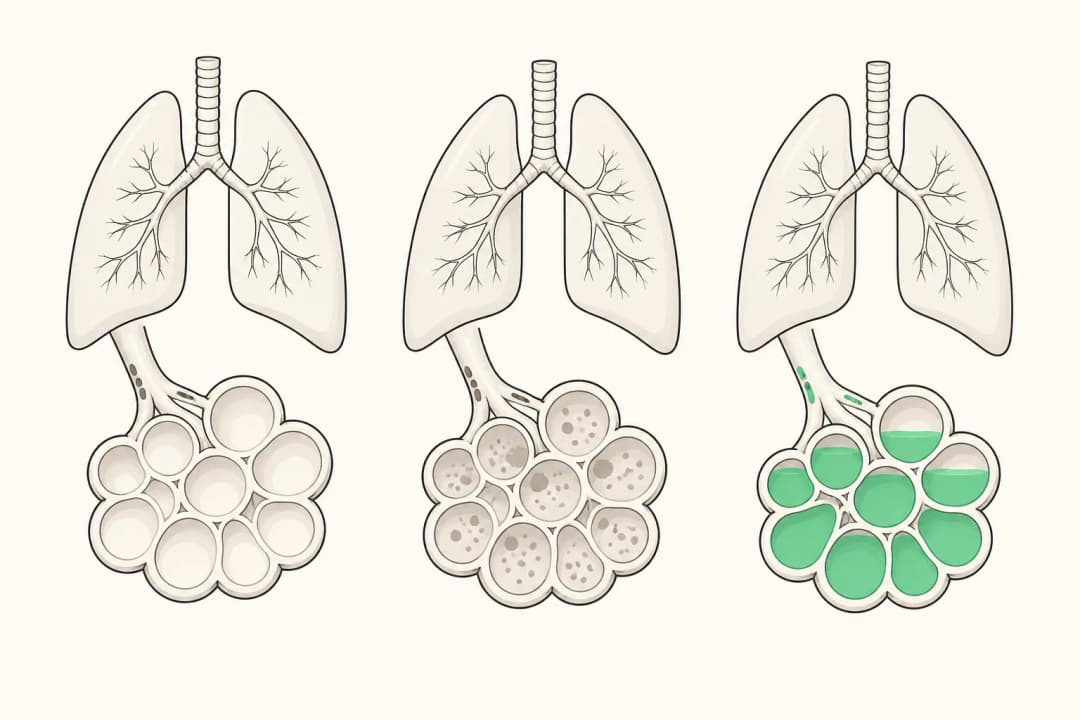
Pneumonia inflames the air sacs and can make oxygen transfer harder. If the infection spreads beyond the lungs or provokes an uncontrolled body response, blood vessels may widen and fluid may leave the bloodstream. This can lower effective circulation and strain organs. Fever, chills, cough and coughing up phlegm can occur with pneumonia, but symptoms alone cannot show whether shock is developing. Pneumonia may follow infections such as [Influenza](/conditions/influenza/) or [COVID-19](/conditions/covid-19/), while [Sepsis](/conditions/sepsis/) describes the wider dangerous response.
What to do
Call emergency services if someone with suspected or diagnosed pneumonia becomes confused, unusually drowsy, faint, severely breathless or unable to keep fluids down. Keep them upright if that helps breathing, or in a safe position if weak; stay nearby and take their medicines and medical information with them. Do not postpone care to treat the fever at home. In hospital, clinicians may provide oxygen, intravenous fluids, antibiotics when appropriate, and medicines to support circulation while checking the lungs and organs.
When to seek urgent care
Emergency assessment is needed for rapidly worsening breathlessness, blue or grey lips, new confusion, fainting, cold clammy skin, very little urine or inability to speak in full sentences. A high temperature, chills, cough or phlegm should be assessed promptly when accompanied by marked weakness or breathing difficulty. [Pneumonia](/conditions/pneumonia/) requires particular attention when symptoms worsen rather than settle.
Questions for your doctor
How severe is the pneumonia and is oxygen being transferred adequately? What tests will look for sepsis or organ strain? Which changes in breathing, alertness or urine output should trigger immediate help?
Find care
General Clinics & Polyclinics in Abu Dhabi
That answer is general. If you want it applied to your own case, these are licensed general clinics & polyclinics listed in Abu Dhabi.
27 Ar Ruwwad St - Shakhbout City - MSH4 - Abu Dhabi - United Arab Emirates
Accepts: Daman, Thiqa, Cigna, MetLife +20 more
Al Ruwais, Al Dhafrah
Accepts: Daman, Thiqa, AXA, Cigna +16 more
Al Bahyah - Al Bahyah Old - Abu Dhabi - United Arab Emirates
Accepts: Daman, Thiqa, Cigna, Allianz Care +18 more
Abu Dhabi
Accepts: Daman, Thiqa, AXA, Cigna +27 more
Ordered by verification status and how complete each clinic's public record is, then alphabetically. This is a directory listing, not a ranking — Zavis does not rate or recommend providers.
A factual listing drawn from the DHA, DOH and MOHAP licence registers. It is not a referral, an endorsement, or advice that any of these providers is right for you.
Questions people ask
Does pneumonia always cause septic shock?
No. Pneumonia ranges from mild to severe; septic shock is a serious complication involving impaired circulation and organ risk.
Can pneumonia cause sepsis without a high fever?
Yes. Severe infection can occur without a prominent fever, particularly when the person is frail or their immune response is altered.
Medical disclaimer. This page is general health information, not medical advice, and it cannot diagnose you. Always consult a licensed healthcare provider about your own symptoms and treatment. In an emergency in the UAE, call 998 for an ambulance.