
What should you know about outcomes in septic pneumonia?
Short answer
No single population estimate predicts one person's outcome with septic pneumonia; urgency, organ function, infection cause and response to treatment all matter.
This answers one question. It is not a diagnosis and does not replace an assessment by a licensed doctor.
At a glance
- Pneumonia
- An infection affecting the lungs
- Sepsis
- A dangerous whole-body response to infection
- Outcome
- Depends on clinical factors, not one universal figure
How clinicians think about outcome
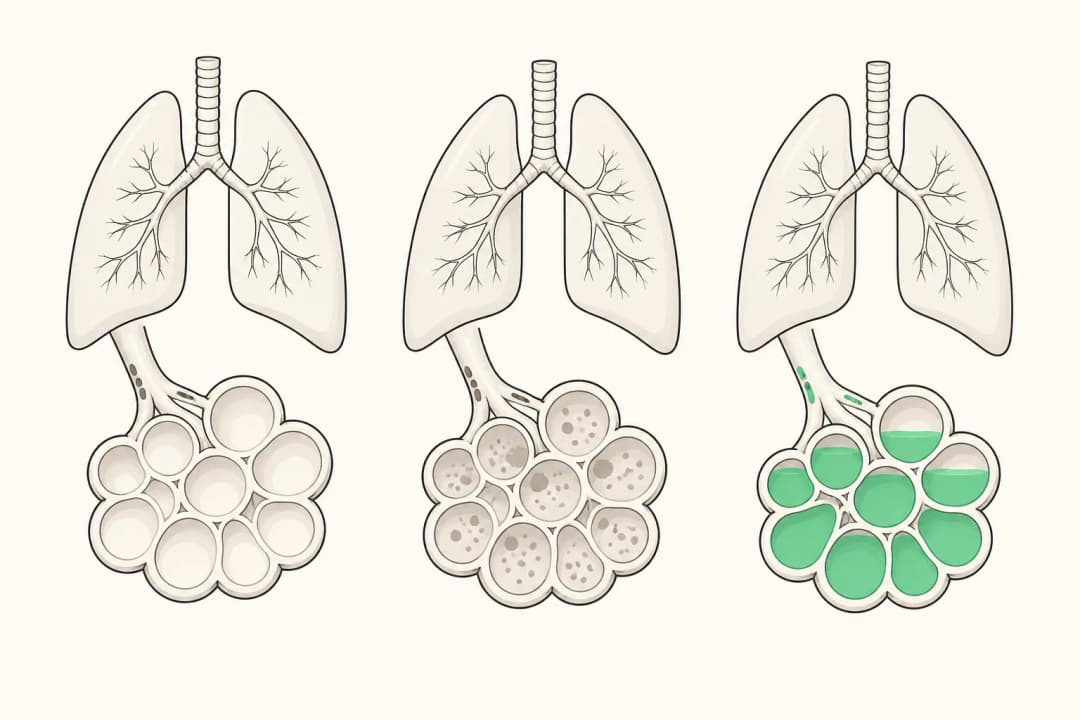
Pneumonia is an infection of the lungs, while sepsis is a dangerous whole-body response to infection. COVID-19 or influenza may affect the lungs, and pneumonia itself can be associated with sepsis. The course differs between people because the organism, lung involvement, other illnesses and speed of treatment vary.
Cough, fever, chills and coughing up phlegm may occur with pneumonia, but they cannot predict an individual outcome. Clinicians monitor oxygen, breathing effort, blood pressure, alertness, kidney function and the response to treatment.
What to do
If a person with pneumonia is getting worse, arrange urgent medical assessment. Bring the medicine list and information about recent antibiotics, health conditions and symptom changes. Do not delay evaluation while searching for a population statistic or use someone else's antibiotics.
Treatment may include oxygen, fluids, antibiotics when appropriate, antiviral treatment for selected infections, and support for affected organs. The treating team can explain the person's current markers and whether they are improving.
When to seek care
Call emergency services for severe breathlessness, blue or grey lips, new confusion, inability to wake, fainting, cold clammy skin, or rapidly worsening weakness. Seek urgent care for worsening cough with breathing difficulty, persistent fever, very little urine, or inability to drink.
Questions for your doctor
Ask what caused the pneumonia, whether sepsis or organ dysfunction is present, how oxygen and blood pressure are being monitored, what treatment response is expected, and which changes require immediate escalation.
Find care
General Clinics & Polyclinics in Abu Dhabi
That answer is general. If you want it applied to your own case, these are licensed general clinics & polyclinics listed in Abu Dhabi.
27 Ar Ruwwad St - Shakhbout City - MSH4 - Abu Dhabi - United Arab Emirates
Accepts: Daman, Thiqa, Cigna, MetLife +20 more
Al Ruwais, Al Dhafrah
Accepts: Daman, Thiqa, AXA, Cigna +16 more
Al Bahyah - Al Bahyah Old - Abu Dhabi - United Arab Emirates
Accepts: Daman, Thiqa, Cigna, Allianz Care +18 more
Abu Dhabi
Accepts: Daman, Thiqa, AXA, Cigna +27 more
Ordered by verification status and how complete each clinic's public record is, then alphabetically. This is a directory listing, not a ranking — Zavis does not rate or recommend providers.
A factual listing drawn from the DHA, DOH and MOHAP licence registers. It is not a referral, an endorsement, or advice that any of these providers is right for you.
Questions people ask
Can a population estimate predict what will happen to one person?
No. Group estimates cannot account for the individual's infection, organ function, health conditions or response to treatment.
What information is more useful than a population figure?
Ask about oxygen needs, blood pressure, alertness, organ function, the suspected cause and whether these measures are improving.
Medical disclaimer. This page is general health information, not medical advice, and it cannot diagnose you. Always consult a licensed healthcare provider about your own symptoms and treatment. In an emergency in the UAE, call 998 for an ambulance.