
Seasonal asthma: what to know
Short answer
Seasonal asthma is asthma that becomes harder to control when triggers such as pollen, mould, cold air or respiratory infections increase.
This answers one question. It is not a diagnosis and does not replace an assessment by a licensed doctor.
At a glance
- Possible triggers
- Pollen, mould, cold air, smoke and infections
- Symptoms to record
- Wheeze, cough, chest tightness and breathlessness
The short answer
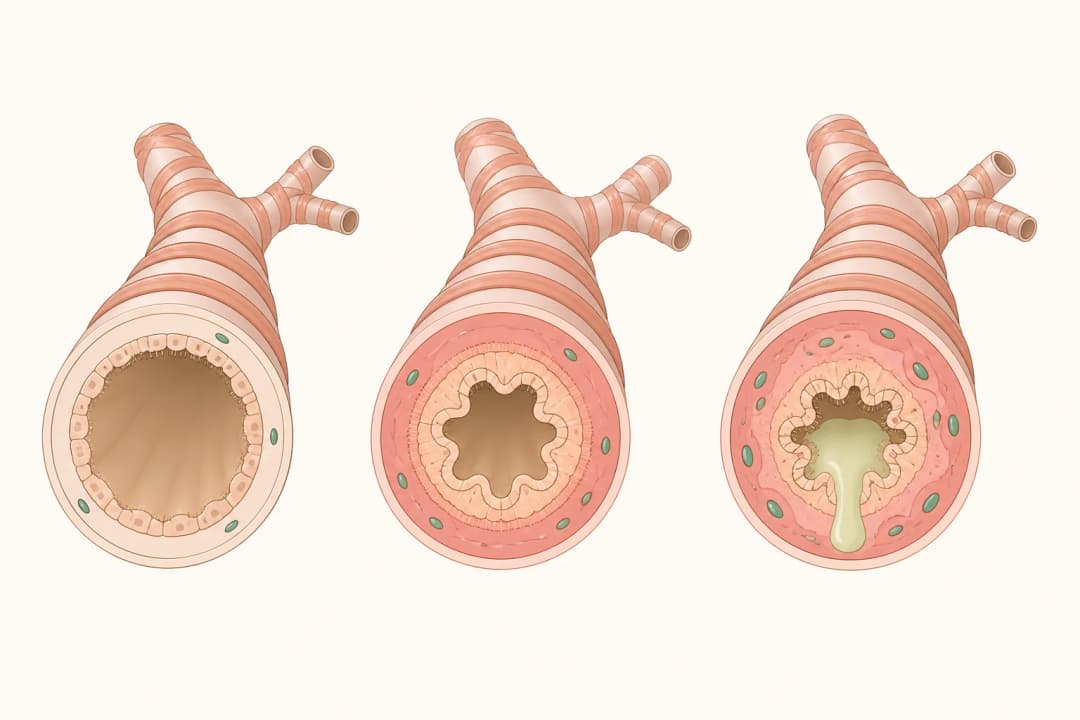
Seasonal asthma is asthma that becomes harder to control when triggers such as pollen, mould, cold air or respiratory infections increase. Symptoms can include wheezing, cough, chest tightness and shortness of breath. A seasonal pattern does not make asthma harmless: airway narrowing can worsen quickly, particularly during exercise or at night.
What changes with the seasons
Inflamed airways become more sensitive to triggers. Pollen may irritate the airways outdoors, while dust mites, indoor mould or poor ventilation can matter indoors. A runny or blocked nose from [Allergic Rhinitis](/conditions/allergic-rhinitis/) can accompany asthma and make breathing feel more difficult. Record symptoms alongside weather, location, activity and medicine use so a clinician can look for a pattern.
Asthma symptoms can vary from day to day. Feeling well between flares does not mean prescribed preventer treatment should be stopped without a review.
How to prepare
Keep your written asthma action plan available and check that inhalers are in date and used with the correct technique. Take regular preventer medicine as prescribed and carry your reliever when advised. During a trigger season, reduce exposure where practical, avoid smoke, and discuss a pre-season review with your clinician. Do not borrow an inhaler or change doses based on someone else’s plan.
When breathing needs urgent help
Follow your action plan if symptoms begin. Seek urgent help if the reliever is not helping, breathing remains difficult, you cannot speak comfortably, your lips look blue or grey, or you become drowsy or exhausted. A nebuliser may be used by healthcare professionals in acute care, but it is not a substitute for emergency assessment when symptoms are severe.
Questions for your clinician
Ask which seasonal triggers matter for you, whether your inhaler technique is effective, when to increase treatment under the action plan, and how to distinguish asthma symptoms from a chest infection.
Find care
General Clinics & Polyclinics in Abu Dhabi
That answer is general. If you want it applied to your own case, these are licensed general clinics & polyclinics listed in Abu Dhabi.
27 Ar Ruwwad St - Shakhbout City - MSH4 - Abu Dhabi - United Arab Emirates
Accepts: Daman, Thiqa, Cigna, MetLife +20 more
Al Ruwais, Al Dhafrah
Accepts: Daman, Thiqa, AXA, Cigna +16 more
Al Bahyah - Al Bahyah Old - Abu Dhabi - United Arab Emirates
Accepts: Daman, Thiqa, Cigna, Allianz Care +18 more
Abu Dhabi
Accepts: Daman, Thiqa, AXA, Cigna +27 more
Ordered by verification status and how complete each clinic's public record is, then alphabetically. This is a directory listing, not a ranking — Zavis does not rate or recommend providers.
A factual listing drawn from the DHA, DOH and MOHAP licence registers. It is not a referral, an endorsement, or advice that any of these providers is right for you.
Questions people ask
Can seasonal asthma happen even when I feel well most of the year?
Yes. Trigger exposure can vary by season, while asthma remains an airway condition that needs an individual control plan.
Should I stop my preventer when the season ends?
Only change prescribed treatment after discussing your control and plan with a clinician.
Related
Related reading
Keep reading
Medical disclaimer. This page is general health information, not medical advice, and it cannot diagnose you. Always consult a licensed healthcare provider about your own symptoms and treatment. In an emergency in the UAE, call 998 for an ambulance.