
Reasons for irregular periods after delivery
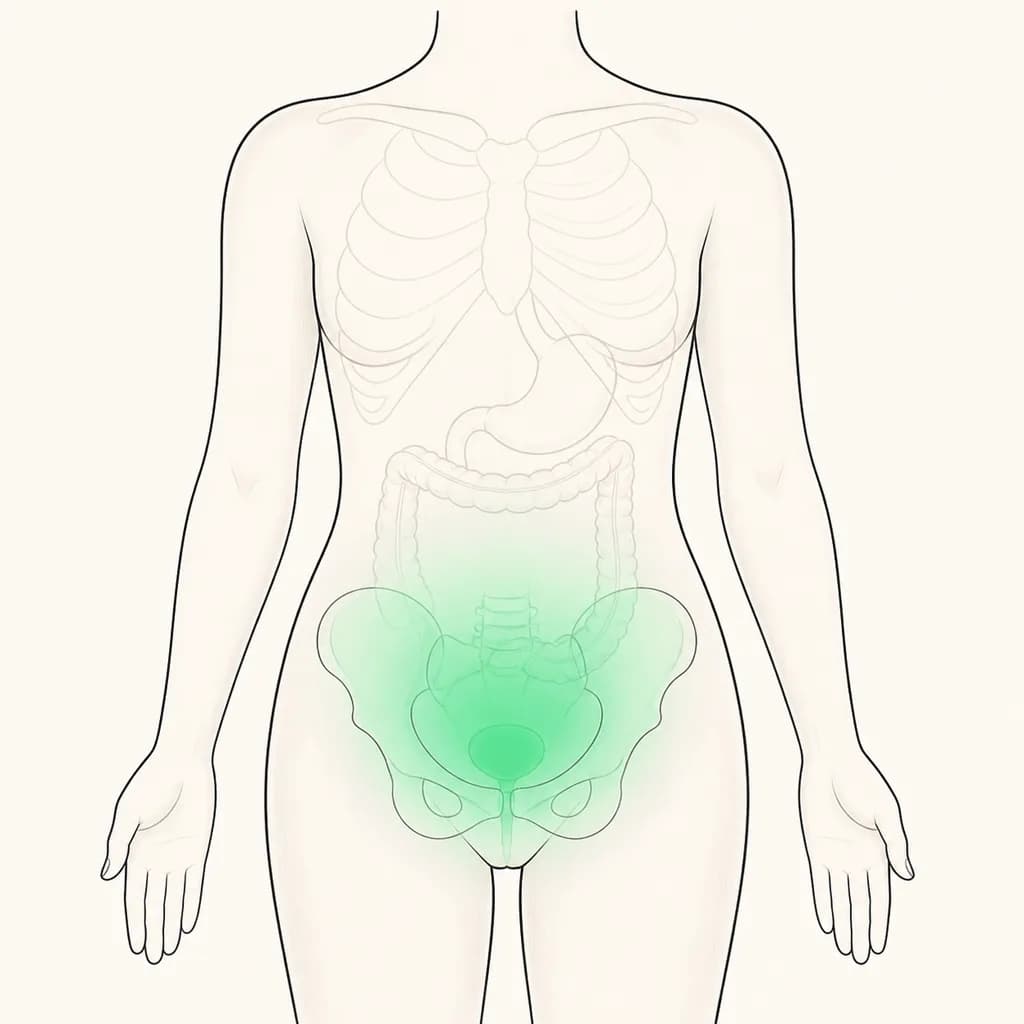
Short answer
After delivery, irregular periods commonly reflect breastfeeding-related hormone changes, recovery of ovulation, contraception, or another pregnancy rather than a predictable cycle.
This answers one question. It is not a diagnosis and does not replace an assessment by a licensed doctor.
At a glance
- Key point
- Ovulation may return before the first period
- Track
- Feeds, bleeding, pain, contraception, and tests
- Urgent signs
- Heavy bleeding, fever, faintness, or worsening pain
Why timing can change after birth
The hormones that support milk production can suppress ovulation, so periods may be absent, spaced apart, or unpredictable while breastfeeding. When feeds reduce or stop, ovulation may return before the first period, which means pregnancy is possible even without bleeding. The first periods may also differ in flow or cramping from those before pregnancy. If irregularity continues after breastfeeding changes, clinicians may consider anovulation, polycystic ovary syndrome, thyroid problems, or rarely premature ovarian insufficiency; the symptom alone does not identify a diagnosis.
What to do now
Keep a record of lochia ending, later bleeding, feeding pattern, contraception, pain, and pregnancy tests. Discuss contraception before resuming sex if you do not want another pregnancy; ovulation can precede the first post-delivery period. A clinician can review bleeding, check for anaemia or pregnancy when relevant, and decide whether tests are needed. The Combined Pill may not suit everyone after delivery or during breastfeeding, so get individual advice before using it. Seek help if a change feels different from your usual recovery.
When to seek care
Contact a maternity or medical service urgently for sudden heavy bleeding, large clots with weakness, faintness, fever, worsening abdominal pain, or foul-smelling discharge. Prompt assessment is also needed for one-sided pain, shoulder-tip pain, or dizziness with a positive or possible pregnancy test. Arrange a routine review if bleeding remains irregular after feeding changes or affects your wellbeing.
Questions to bring
Could breastfeeding or my contraception explain this pattern? When might ovulation return? Do I need a pregnancy test or blood tests? Which contraception is suitable while I am feeding? What bleeding should prompt urgent help?
Find care
General Clinics & Polyclinics in Abu Dhabi
That answer is general. If you want it applied to your own case, these are licensed general clinics & polyclinics listed in Abu Dhabi.
27 Ar Ruwwad St - Shakhbout City - MSH4 - Abu Dhabi - United Arab Emirates
Accepts: Daman, Thiqa, Cigna, MetLife +20 more
Al Ruwais, Al Dhafrah
Accepts: Daman, Thiqa, AXA, Cigna +16 more
Al Bahyah - Al Bahyah Old - Abu Dhabi - United Arab Emirates
Accepts: Daman, Thiqa, Cigna, Allianz Care +18 more
Abu Dhabi
Accepts: Daman, Thiqa, AXA, Cigna +27 more
Ordered by verification status and how complete each clinic's public record is, then alphabetically. This is a directory listing, not a ranking — Zavis does not rate or recommend providers.
A factual listing drawn from the DHA, DOH and MOHAP licence registers. It is not a referral, an endorsement, or advice that any of these providers is right for you.
Questions people ask
Can I become pregnant before my first period after delivery?
Yes. Ovulation can happen before the first post-delivery bleed, so discuss contraception if pregnancy is not planned.
Is an irregular first period after birth unusual?
A changing pattern can occur as hormones and feeding settle. Persistent, painful, heavy, or concerning bleeding should be assessed.
Related
Related reading
Keep reading
Medical disclaimer. This page is general health information, not medical advice, and it cannot diagnose you. Always consult a licensed healthcare provider about your own symptoms and treatment. In an emergency in the UAE, call 998 for an ambulance.