
What should you know about RAI dose for hyperthyroidism?
Short answer
RAI dose for hyperthyroidism is selected by a specialist according to thyroid activity, gland features, test results, and treatment goals.
This answers one question. It is not a diagnosis and does not replace an assessment by a licensed doctor.
At a glance
- Treatment type
- Oral radioactive iodine
- Dose basis
- Thyroid tests, size, cause, and treatment goals
- Follow-up
- Repeat thyroid blood tests
How dose selection works
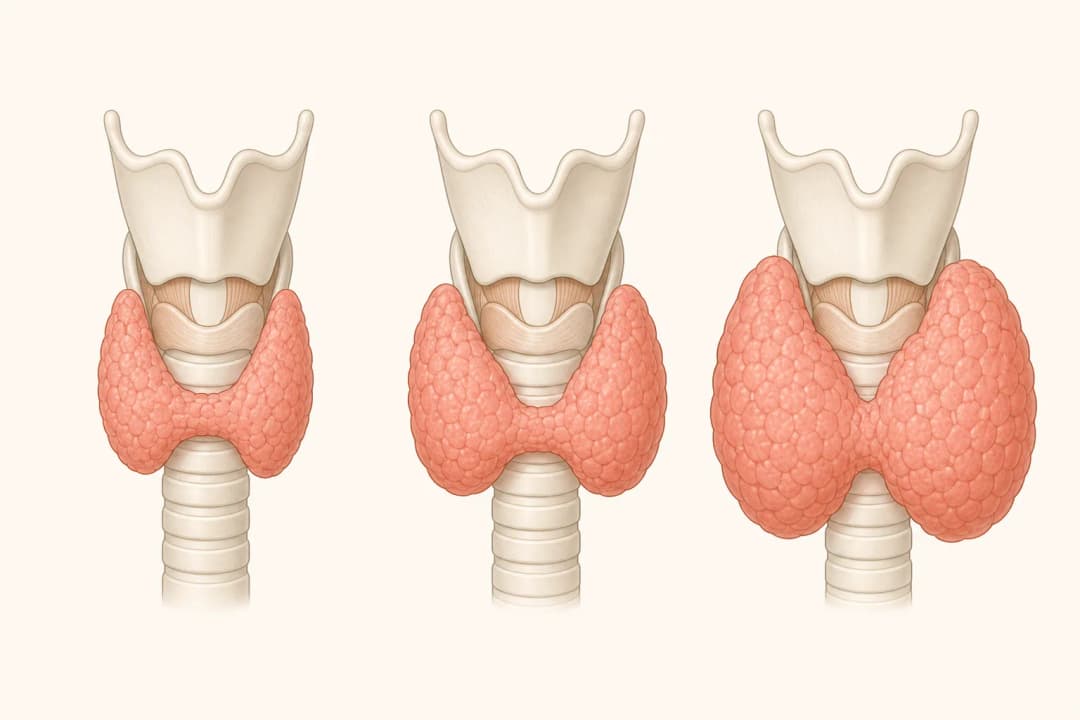
Radioactive iodine, also called RAI, is taken by mouth and absorbed mainly by thyroid tissue. The radiation gradually reduces overactive thyroid cells. The prescribed amount is not chosen from symptoms alone; clinicians consider the cause of Hyperthyroidism, thyroid size, uptake testing, previous treatment, and pregnancy or breastfeeding status.
The effect is gradual, so symptoms such as palpitations, excessive sweating, heat intolerance, diarrhoea, difficulty sleeping, or feeling anxious may not settle immediately. Treatment can later leave the thyroid underactive, which is monitored with blood tests and treated when appropriate.
Preparing and following instructions
Tell the nuclear medicine and endocrine teams about pregnancy, breastfeeding, recent iodine exposure, thyroid medicines, heart conditions, and medicines containing iodine. Follow their instructions about medicines and food before treatment, and ask how to limit close contact for the advised period after the dose.
Attend planned blood tests even if you feel well. Keep a record of changes in pulse, sleep, sweating, bowel habits, and weight, and take symptom-control medicine only as prescribed. Do not alter the RAI amount yourself.
When to seek care
Seek urgent help for chest pain, severe breathlessness, fainting, a very rapid or irregular heartbeat, marked agitation, confusion, high fever, or sudden worsening after treatment. Contact your treating team promptly if vomiting prevents you from keeping medicines down or if you may be pregnant.
Questions for your doctor
Ask why this dose is recommended, when improvement is expected, how long precautions last, which medicines to pause, and how thyroid blood tests will be scheduled. Ask what symptoms suggest the thyroid has become underactive.
Find care
General Clinics & Polyclinics in Abu Dhabi
That answer is general. If you want it applied to your own case, these are licensed general clinics & polyclinics listed in Abu Dhabi.
27 Ar Ruwwad St - Shakhbout City - MSH4 - Abu Dhabi - United Arab Emirates
Accepts: Daman, Thiqa, Cigna, MetLife +20 more
Al Ruwais, Al Dhafrah
Accepts: Daman, Thiqa, AXA, Cigna +16 more
Al Bahyah - Al Bahyah Old - Abu Dhabi - United Arab Emirates
Accepts: Daman, Thiqa, Cigna, Allianz Care +18 more
Abu Dhabi
Accepts: Daman, Thiqa, AXA, Cigna +27 more
Ordered by verification status and how complete each clinic's public record is, then alphabetically. This is a directory listing, not a ranking — Zavis does not rate or recommend providers.
A factual listing drawn from the DHA, DOH and MOHAP licence registers. It is not a referral, an endorsement, or advice that any of these providers is right for you.
Questions people ask
Is the RAI dose the same for everyone?
No. The dose is tailored to the thyroid condition, gland characteristics, test findings, and clinical plan.
Will symptoms stop immediately?
Usually not; the thyroid response develops over time, so monitoring and prescribed symptom treatment may be needed.
Related
Related reading
Keep reading
Medical disclaimer. This page is general health information, not medical advice, and it cannot diagnose you. Always consult a licensed healthcare provider about your own symptoms and treatment. In an emergency in the UAE, call 998 for an ambulance.