
What should you know about pre type 2 diabetes?
Short answer
Prediabetes means blood glucose is higher than usual without meeting the diagnostic range for type 2 diabetes, and it is a chance to act early.
This answers one question. It is not a diagnosis and does not replace an assessment by a licensed doctor.
At a glance
- Meaning
- Glucose is above usual but below the diabetes range
- Symptoms
- Often none, so follow-up testing matters
- Focus
- Sustainable food, activity, sleep and clinical monitoring
What prediabetes tells you
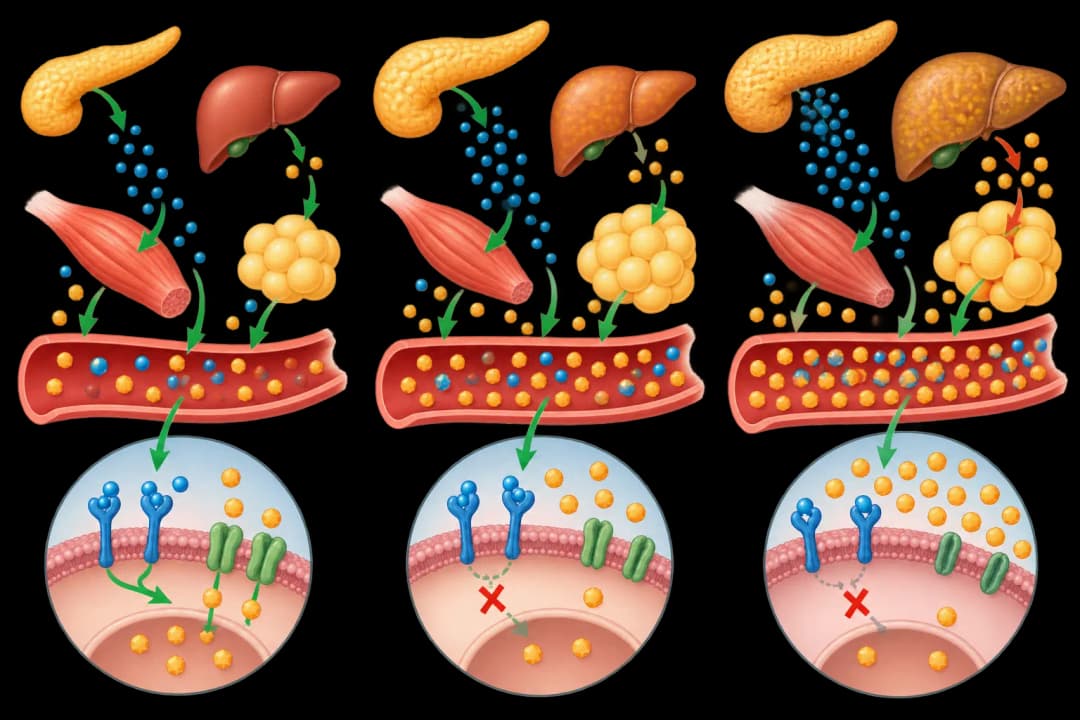
Prediabetes often causes no clear symptoms, so it is usually found through a blood test. It reflects reduced sensitivity to insulin or the body's difficulty keeping glucose in its usual range. It does not mean that type 2 diabetes is inevitable, but it does call for follow-up and a realistic prevention plan.
Your clinician may consider weight, blood pressure, family history, medicines, sleep, activity and other health factors. Long-term high glucose can affect blood vessels, nerves, kidneys and the eyes, which is why monitoring matters even when you feel well.
Practical next steps
Ask when your glucose should be checked again and whether you need support from a dietitian or structured lifestyle programme. Build meals around vegetables, pulses, whole grains and a suitable protein source, and reduce sugary drinks and highly processed snacks. Increase activity gradually, choose movement you can repeat, and protect sleep. If you live with obesity, discuss supportive and sustainable options rather than pursuing rapid changes.
Take prescribed medicines as directed and keep appointments. Report symptoms such as increased thirst, frequent urination, unexplained weight change or persistent tiredness, because they may need a new assessment.
When to seek care
Prediabetes is usually managed through planned follow-up rather than emergency care. Seek urgent help for vomiting with severe weakness, confusion, deep or rapid breathing, or difficulty staying awake. Contact your clinician promptly if glucose readings are repeatedly outside the range you were given or if symptoms of high or low glucose develop.
Questions for your clinician
Which test showed prediabetes, and when should it be repeated? What change would make the result diabetes? Which food, activity or medicine plan is realistic for me, and what symptoms should I report?
Find care
General Clinics & Polyclinics in Abu Dhabi
That answer is general. If you want it applied to your own case, these are licensed general clinics & polyclinics listed in Abu Dhabi.
27 Ar Ruwwad St - Shakhbout City - MSH4 - Abu Dhabi - United Arab Emirates
Accepts: Daman, Thiqa, Cigna, MetLife +20 more
Al Ruwais, Al Dhafrah
Accepts: Daman, Thiqa, AXA, Cigna +16 more
Al Bahyah - Al Bahyah Old - Abu Dhabi - United Arab Emirates
Accepts: Daman, Thiqa, Cigna, Allianz Care +18 more
Abu Dhabi
Accepts: Daman, Thiqa, AXA, Cigna +27 more
Ordered by verification status and how complete each clinic's public record is, then alphabetically. This is a directory listing, not a ranking — Zavis does not rate or recommend providers.
A factual listing drawn from the DHA, DOH and MOHAP licence registers. It is not a referral, an endorsement, or advice that any of these providers is right for you.
Questions people ask
Can prediabetes return to a usual glucose range?
For some people, changes in health and treatment can improve glucose regulation. Follow-up testing shows how your body is responding.
Does prediabetes always become type 2 diabetes?
No. Progression is not inevitable, and early support can help reduce risk.
Related
Related reading
Keep reading
Medical disclaimer. This page is general health information, not medical advice, and it cannot diagnose you. Always consult a licensed healthcare provider about your own symptoms and treatment. In an emergency in the UAE, call 998 for an ambulance.