
Post-pregnancy constipation relief
Short answer
Post-pregnancy constipation relief starts with fluids, gradual fibre, gentle movement and advice about medicines.
This answers one question. It is not a diagnosis and does not replace an assessment by a licensed doctor.
At a glance
- Start gently
- Increase fibre and activity gradually
- Check medicines
- Iron and opioid pain relief can harden stools
- Get urgent help
- Severe pain, vomiting or inability to pass gas
Why constipation can happen after pregnancy
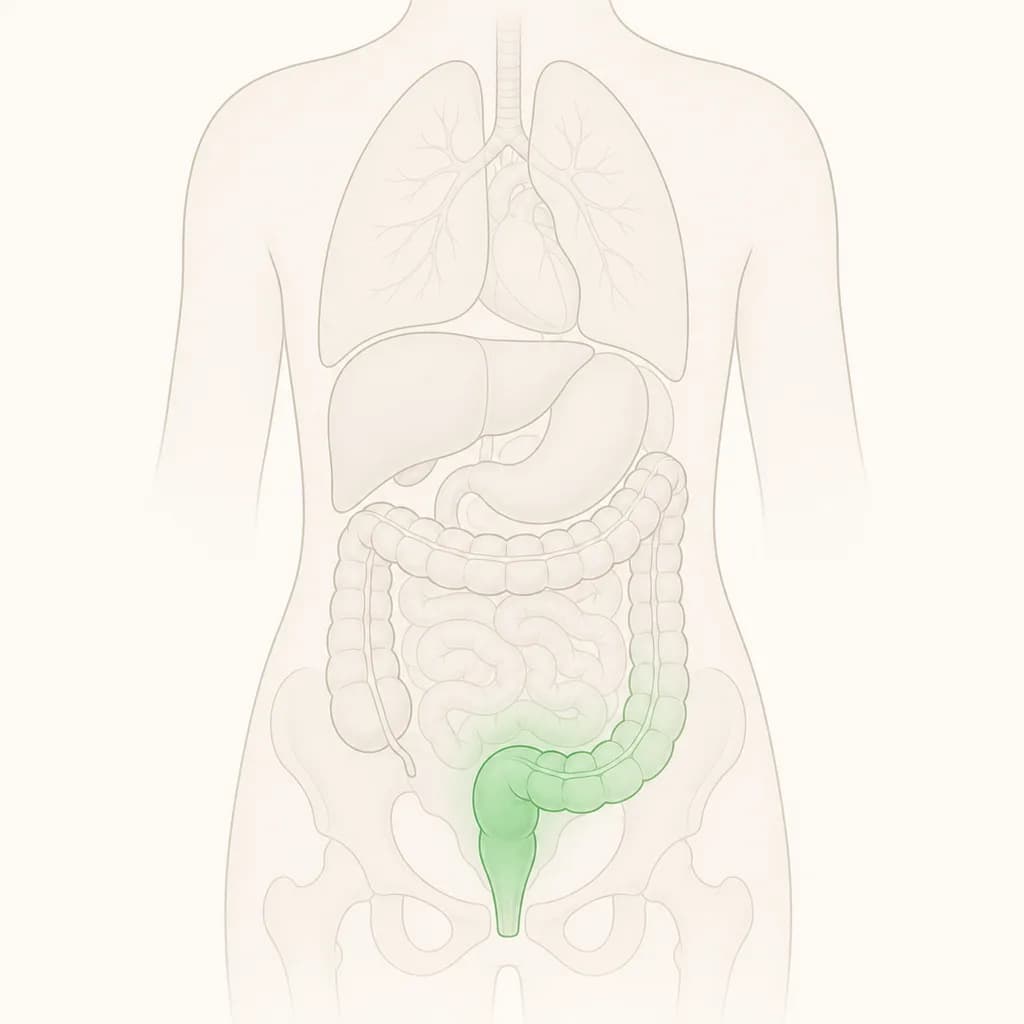
Recovery after birth can disrupt meals, movement and toilet routines. Soreness, fear of straining, iron supplements, opioid pain medicines and not drinking enough can make stools harder or less frequent. Constipation is different from a bowel blockage, and the cause cannot be identified from stool frequency alone.
Persistent symptoms can sometimes accompany dehydration, an underactive thyroid, irritable bowel syndrome or diverticular disease. Mention abdominal pain, bloating, bleeding, vomiting and any new medicines when you seek advice.
Ways to ease it
Drink regularly unless a clinician has limited your fluids. Add fibre slowly through vegetables, fruit, beans and whole grains, because a sudden increase can worsen gas and discomfort. Walk gently as recovery allows, respond to the urge to open your bowels and use a relaxed position with your feet supported. A pharmacist or doctor can recommend a suitable stool softener or laxative, especially if you are breastfeeding or taking iron.
When to seek care
Arrange medical advice for constipation that does not improve, repeated episodes or pain around a healing tear or surgical wound. Seek urgent help for severe or worsening abdominal pain, a swollen abdomen, repeated vomiting, inability to pass gas, heavy bleeding or black stools.
Questions for your doctor
Ask whether iron or pain relief is contributing, which bowel medicine is compatible with feeding your baby, and whether your symptoms need examination for another cause.
Find care
General Clinics & Polyclinics in Abu Dhabi
That answer is general. If you want it applied to your own case, these are licensed general clinics & polyclinics listed in Abu Dhabi.
27 Ar Ruwwad St - Shakhbout City - MSH4 - Abu Dhabi - United Arab Emirates
Accepts: Daman, Thiqa, Cigna, MetLife +20 more
Al Ruwais, Al Dhafrah
Accepts: Daman, Thiqa, AXA, Cigna +16 more
Al Bahyah - Al Bahyah Old - Abu Dhabi - United Arab Emirates
Accepts: Daman, Thiqa, Cigna, Allianz Care +18 more
Abu Dhabi
Accepts: Daman, Thiqa, AXA, Cigna +27 more
Ordered by verification status and how complete each clinic's public record is, then alphabetically. This is a directory listing, not a ranking — Zavis does not rate or recommend providers.
A factual listing drawn from the DHA, DOH and MOHAP licence registers. It is not a referral, an endorsement, or advice that any of these providers is right for you.
Questions people ask
Can I take a laxative after giving birth?
Some options may be suitable, but a pharmacist or doctor should match the choice to breastfeeding, medicines and symptoms.
Why does straining feel difficult after birth?
Tender tissues, stitches and pelvic-floor changes can make bowel movements uncomfortable; a clinician can suggest positioning and stool-softening support.
Related
Related reading
Keep reading
Medical disclaimer. This page is general health information, not medical advice, and it cannot diagnose you. Always consult a licensed healthcare provider about your own symptoms and treatment. In an emergency in the UAE, call 998 for an ambulance.