
Pneumonia in older age
Short answer
Pneumonia in older adults can become serious quickly, so early assessment and close monitoring are important.
This answers one question. It is not a diagnosis and does not replace an assessment by a licensed doctor.
At a glance
- Symptoms
- Confusion or weakness may replace a typical fever response.
- Monitoring
- Track breathing, alertness, fluids and mobility.
- Urgency
- Sudden decline needs prompt medical attention.
How age changes the picture
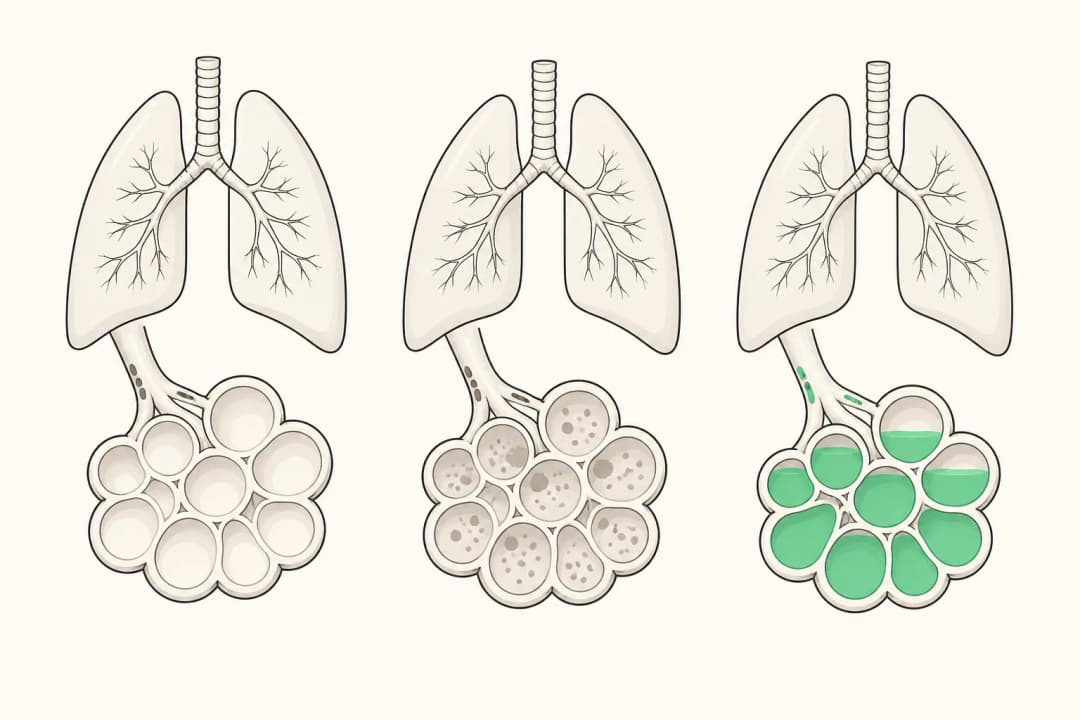
Older adults may have cough, fever, chills or phlegm, but some mainly develop weakness, sleepiness, confusion, poor appetite or a change in usual function. Existing heart, lung, kidney or immune problems can reduce the body's reserve during an infection. Recovery is individual and depends on the cause, severity, general health, hydration, mobility and how promptly treatment begins. Ask the clinician to explain what improvement should look like for this person rather than relying on a fixed prediction.
Supporting recovery
Follow the treatment plan and keep the person hydrated if they can safely drink. Encourage rest with gentle movement when advised, regular meals or suitable nourishing alternatives, and prescribed breathing or oxygen support. A family member or carer can track alertness, breathing, temperature, fluid intake and ability to walk. Arrange review if the person is not returning towards their usual function or if medicines cause concerning effects.
When to seek urgent care
Seek emergency help for severe breathing difficulty, blue or grey lips, new confusion, collapse, inability to drink, or a sudden marked decline. Urgent assessment is also needed when the person becomes unusually hard to wake, develops severe chest pain, or has signs of sepsis such as rapidly worsening illness with very low alertness. Do not wait for a high fever in an older person.
Questions for your doctor
Ask which symptoms are expected during recovery, what level of supervision is needed, and when follow-up should occur. Clarify how existing conditions and medicines affect the plan, and ask whether influenza or COVID-19 testing or prevention is relevant.
Find care
General Clinics & Polyclinics in Abu Dhabi
That answer is general. If you want it applied to your own case, these are licensed general clinics & polyclinics listed in Abu Dhabi.
27 Ar Ruwwad St - Shakhbout City - MSH4 - Abu Dhabi - United Arab Emirates
Accepts: Daman, Thiqa, Cigna, MetLife +20 more
Al Ruwais, Al Dhafrah
Accepts: Daman, Thiqa, AXA, Cigna +16 more
Al Bahyah - Al Bahyah Old - Abu Dhabi - United Arab Emirates
Accepts: Daman, Thiqa, Cigna, Allianz Care +18 more
Abu Dhabi
Accepts: Daman, Thiqa, AXA, Cigna +27 more
Ordered by verification status and how complete each clinic's public record is, then alphabetically. This is a directory listing, not a ranking — Zavis does not rate or recommend providers.
A factual listing drawn from the DHA, DOH and MOHAP licence registers. It is not a referral, an endorsement, or advice that any of these providers is right for you.
Questions people ask
Can pneumonia be serious without a high fever?
Yes. Older adults may have confusion, weakness or reduced function without a prominent fever.
How long will recovery take?
Recovery varies with severity and health, so the treating clinician should set an individual follow-up plan.
Medical disclaimer. This page is general health information, not medical advice, and it cannot diagnose you. Always consult a licensed healthcare provider about your own symptoms and treatment. In an emergency in the UAE, call 998 for an ambulance.