
Pneumonia in puppies: what to know
Short answer
Pneumonia in puppies is a lung infection that can worsen quickly, so breathing changes need prompt veterinary attention.
This answers one question. It is not a diagnosis and does not replace an assessment by a licensed doctor.
At a glance
- Key concern
- Breathing can deteriorate quickly in a young puppy
- Safe support
- Warmth, quiet and veterinary-directed care
- Emergency sign
- Blue gums, collapse or open-mouth breathing
What it means
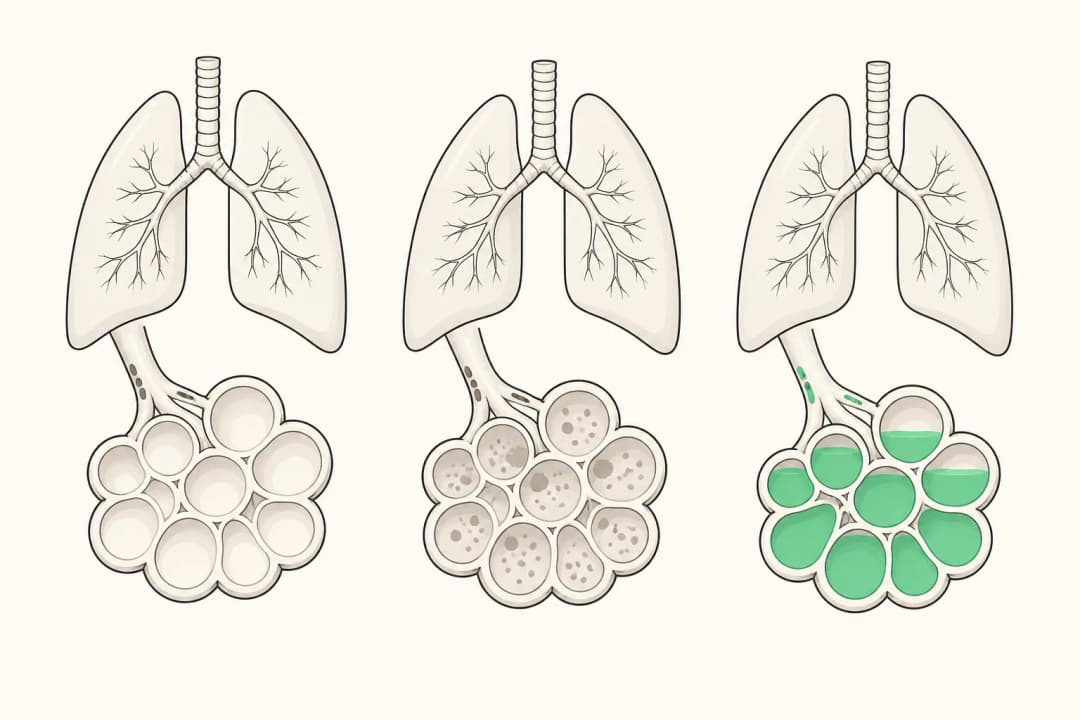
A puppy with pneumonia may cough, breathe rapidly, tire during small movements, have nasal discharge, fever, poor appetite or unusual sleepiness. Vomited milk or food entering the airways can cause aspiration pneumonia; infectious causes are also possible. Young puppies have limited reserves and may become dehydrated or weak while signs are subtle. A veterinarian may assess breathing, listen to the chest, check hydration and temperature, and use imaging or samples when needed.
What to do now
Arrange a veterinary examination promptly and keep the puppy quiet, warm and away from smoke, dust and other dogs. Offer small amounts of water only if the puppy is alert and swallowing normally; never force food, fluids or medication into a struggling puppy. Keep notes on coughing, appetite, vomiting and breathing. Separate the puppy from other dogs until a contagious cause has been considered. Give antibiotics or other medicines only when prescribed for that puppy.
When urgent care is needed
Go to an emergency veterinarian for open-mouth breathing, pronounced belly effort, blue or grey gums, collapse, repeated vomiting, inability to swallow, severe weakness or a puppy that cannot settle because breathing is difficult. A sudden decline can mean dangerously poor oxygen delivery or a serious infection such as sepsis. Do not wait for a cough to become severe.
Questions for your veterinarian
Ask whether aspiration, infection or another problem is suspected, how breathing should be monitored at home, and which signs mean immediate return. Mention vaccination status, contact with other dogs, recent vomiting, deworming, medicines and any birth or feeding difficulties.
Find care
General Clinics & Polyclinics in Abu Dhabi
That answer is general. If you want it applied to your own case, these are licensed general clinics & polyclinics listed in Abu Dhabi.
27 Ar Ruwwad St - Shakhbout City - MSH4 - Abu Dhabi - United Arab Emirates
Accepts: Daman, Thiqa, Cigna, MetLife +20 more
Al Ruwais, Al Dhafrah
Accepts: Daman, Thiqa, AXA, Cigna +16 more
Al Bahyah - Al Bahyah Old - Abu Dhabi - United Arab Emirates
Accepts: Daman, Thiqa, Cigna, Allianz Care +18 more
Abu Dhabi
Accepts: Daman, Thiqa, AXA, Cigna +27 more
Ordered by verification status and how complete each clinic's public record is, then alphabetically. This is a directory listing, not a ranking — Zavis does not rate or recommend providers.
A factual listing drawn from the DHA, DOH and MOHAP licence registers. It is not a referral, an endorsement, or advice that any of these providers is right for you.
Questions people ask
Can a puppy recover from pneumonia?
Many puppies can improve with timely, cause-specific veterinary treatment, but the outlook depends on severity, cause and response to care.
Should I give cough medicine?
No medicine should be given without veterinary advice because some products can be unsafe or interfere with needed treatment.
Medical disclaimer. This page is general health information, not medical advice, and it cannot diagnose you. Always consult a licensed healthcare provider about your own symptoms and treatment. In an emergency in the UAE, call 998 for an ambulance.