
Pneumonia in infants: symptoms and urgent care
Short answer
Pneumonia in infants needs prompt medical assessment because breathing difficulty and dehydration can develop quickly.
This answers one question. It is not a diagnosis and does not replace an assessment by a licensed doctor.
At a glance
- Key checks
- Breathing, oxygen, feeding, and wet nappies
- Avoid
- Smoke and unapproved cough medicines
- Urgent sign
- Rib pulling, grunting, or pauses in breathing
Signs an infant may be unwell
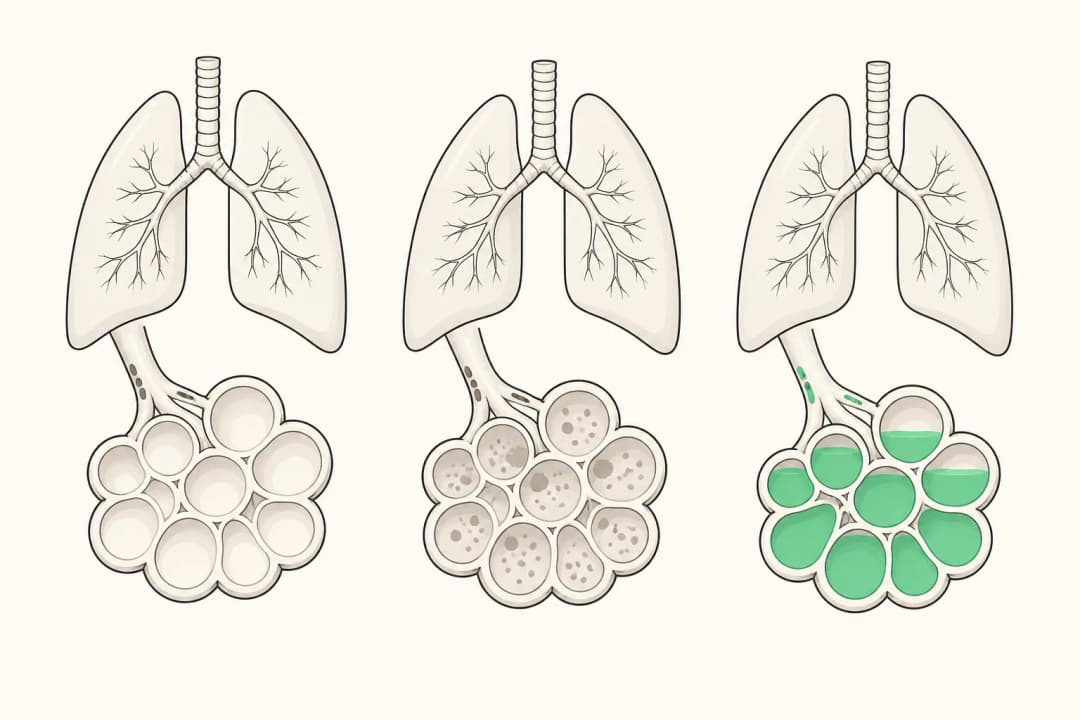
Pneumonia is inflammation or infection in the lungs. An infant may have cough, fever, chills, fast breathing, noisy breathing, poor feeding, vomiting, unusual sleepiness, or fewer wet nappies. Babies may not describe chest discomfort, and a cough may be mild. Pulling in between the ribs, grunting, or pauses in breathing can signal significant respiratory strain. A clinician may check breathing, oxygen, hydration, and listen to the chest; testing or hospital observation may be needed.
What caregivers can do
Arrange same-day medical advice for suspected pneumonia, especially in a young infant or when feeding has changed. Keep the baby comfortably upright while awake, offer usual feeds in smaller amounts if advised, and keep smoke away. Do not give cough medicines, antibiotics, or fever medicine unless a clinician gives age-appropriate instructions. Track feeds, wet nappies, temperature, and breathing changes so you can report them accurately.
Emergency warning signs
Call emergency services for blue or grey lips, severe chest pulling, grunting, pauses in breathing, marked limpness, difficulty waking, choking, or inability to feed. Seek urgent care if wet nappies decrease, vomiting prevents fluids, breathing becomes faster or harder, or the baby looks suddenly much more unwell. Trust a clear change from the infant’s normal behaviour.
Questions for the clinician
Ask whether the breathing pattern and feeding amount need urgent review, how to measure temperature, which medicines are safe, how often to offer feeds, and what signs mean the baby should return immediately. Confirm the follow-up plan before leaving.
Find care
General Clinics & Polyclinics in Abu Dhabi
That answer is general. If you want it applied to your own case, these are licensed general clinics & polyclinics listed in Abu Dhabi.
27 Ar Ruwwad St - Shakhbout City - MSH4 - Abu Dhabi - United Arab Emirates
Accepts: Daman, Thiqa, Cigna, MetLife +20 more
Al Ruwais, Al Dhafrah
Accepts: Daman, Thiqa, AXA, Cigna +16 more
Al Bahyah - Al Bahyah Old - Abu Dhabi - United Arab Emirates
Accepts: Daman, Thiqa, Cigna, Allianz Care +18 more
Abu Dhabi
Accepts: Daman, Thiqa, AXA, Cigna +27 more
Ordered by verification status and how complete each clinic's public record is, then alphabetically. This is a directory listing, not a ranking — Zavis does not rate or recommend providers.
A factual listing drawn from the DHA, DOH and MOHAP licence registers. It is not a referral, an endorsement, or advice that any of these providers is right for you.
Questions people ask
Can an infant have pneumonia without a strong cough?
Yes. Feeding difficulty, fast breathing, sleepiness, or chest pulling may be more noticeable than coughing.
When should an infant with pneumonia go to hospital?
Hospital assessment may be needed when breathing is strained, oxygen support is required, feeding is poor, or dehydration is developing.
Medical disclaimer. This page is general health information, not medical advice, and it cannot diagnose you. Always consult a licensed healthcare provider about your own symptoms and treatment. In an emergency in the UAE, call 998 for an ambulance.