
Pneumonia in horses: signs and veterinary care
Short answer
Pneumonia in horses requires prompt veterinary assessment because lung infection can impair breathing and progress beyond visible coughing.
This answers one question. It is not a diagnosis and does not replace an assessment by a licensed doctor.
At a glance
- Watch closely
- Breathing effort, temperature, appetite, and discharge
- Environment
- Quiet, clean, and low-dust
- Exercise
- Avoid until the veterinarian advises it
How pneumonia may appear
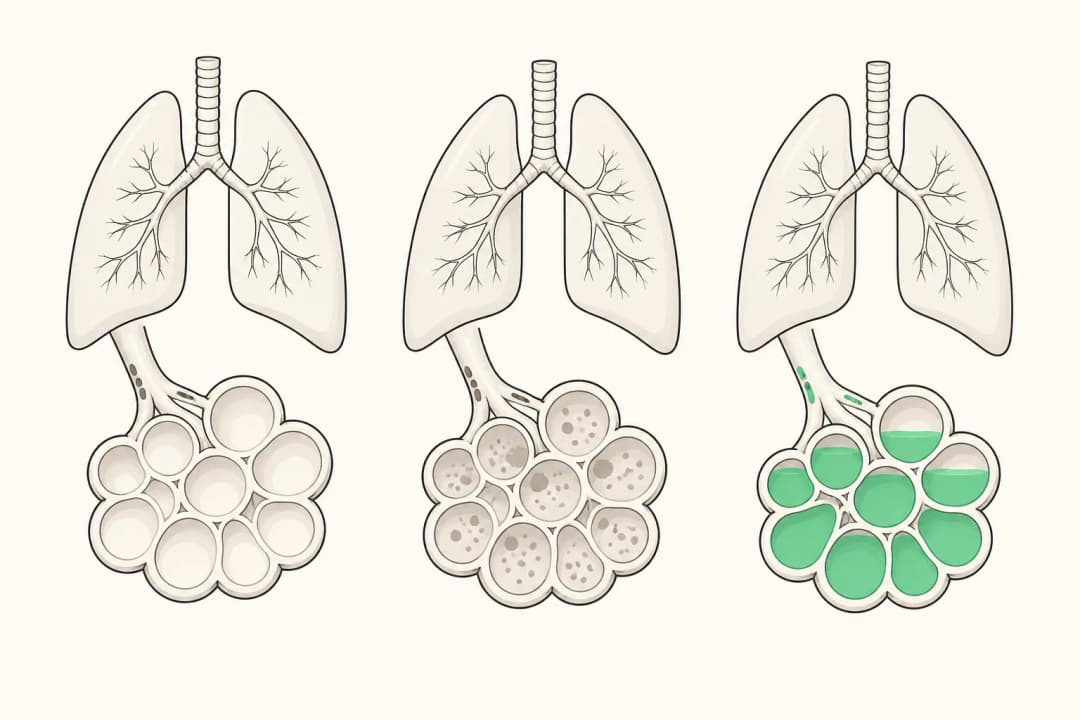
Pneumonia is inflammation and infection within lung tissue. A horse may develop fever, cough, nasal discharge, faster breathing, reduced appetite, dullness, or reluctance to move. Some horses show increased effort at the flank or nostril movement rather than a dramatic cough. Causes can include infection or material entering the lungs, and the treatment plan depends on the examination. A veterinarian may listen to the chest and use imaging or laboratory testing to guide care.
Supporting veterinary treatment
Contact an equine veterinarian promptly and describe the horse’s breathing, temperature, appetite, discharge, and recent travel or illness. Treatment may include prescribed antimicrobials, fluids, anti-inflammatory medicine, or oxygen support, depending on severity and cause. Keep the horse quiet in a clean, well-ventilated area with minimal dust. Provide water and feed as advised, and never force exercise or give leftover medication. Follow isolation guidance if an infectious cause is suspected.
When it is an emergency
Seek emergency veterinary help for laboured breathing, nostrils held wide at rest, blue or grey gums, collapse, severe weakness, inability to drink, or rapidly worsening discharge and fever. A horse that stops eating or becomes markedly depressed also needs urgent review. Keep handling calm while help is arranged because exertion can increase breathing strain.
Questions for the equine veterinarian
Ask what cause is suspected, whether chest imaging or samples are needed, how to give each medicine, whether other horses need separation, and how to monitor breathing and appetite. Confirm when the horse can return to turnout or work and which changes require immediate contact.
Find care
General Clinics & Polyclinics in Abu Dhabi
That answer is general. If you want it applied to your own case, these are licensed general clinics & polyclinics listed in Abu Dhabi.
27 Ar Ruwwad St - Shakhbout City - MSH4 - Abu Dhabi - United Arab Emirates
Accepts: Daman, Thiqa, Cigna, MetLife +20 more
Al Ruwais, Al Dhafrah
Accepts: Daman, Thiqa, AXA, Cigna +16 more
Al Bahyah - Al Bahyah Old - Abu Dhabi - United Arab Emirates
Accepts: Daman, Thiqa, Cigna, Allianz Care +18 more
Abu Dhabi
Accepts: Daman, Thiqa, AXA, Cigna +27 more
Ordered by verification status and how complete each clinic's public record is, then alphabetically. This is a directory listing, not a ranking — Zavis does not rate or recommend providers.
A factual listing drawn from the DHA, DOH and MOHAP licence registers. It is not a referral, an endorsement, or advice that any of these providers is right for you.
Questions people ask
Can a horse with pneumonia be treated in the stable?
Some horses can be managed outside hospital with close veterinary supervision, while others need intensive monitoring or respiratory support.
Should a coughing horse be exercised?
No strenuous exercise should be given while pneumonia is suspected; ask the veterinarian when gradual activity is appropriate.
Medical disclaimer. This page is general health information, not medical advice, and it cannot diagnose you. Always consult a licensed healthcare provider about your own symptoms and treatment. In an emergency in the UAE, call 998 for an ambulance.