
What should you know about pneumococcal vaccine for asthma patients?
Short answer
People with asthma should discuss pneumococcal vaccination with a clinician because respiratory health and treatment history affect vaccine advice.
This answers one question. It is not a diagnosis and does not replace an assessment by a licensed doctor.
At a glance
- Main discussion point
- Asthma control and personal health history
- Vaccine target
- Pneumococcal bacteria, not every respiratory trigger
Why asthma changes the conversation
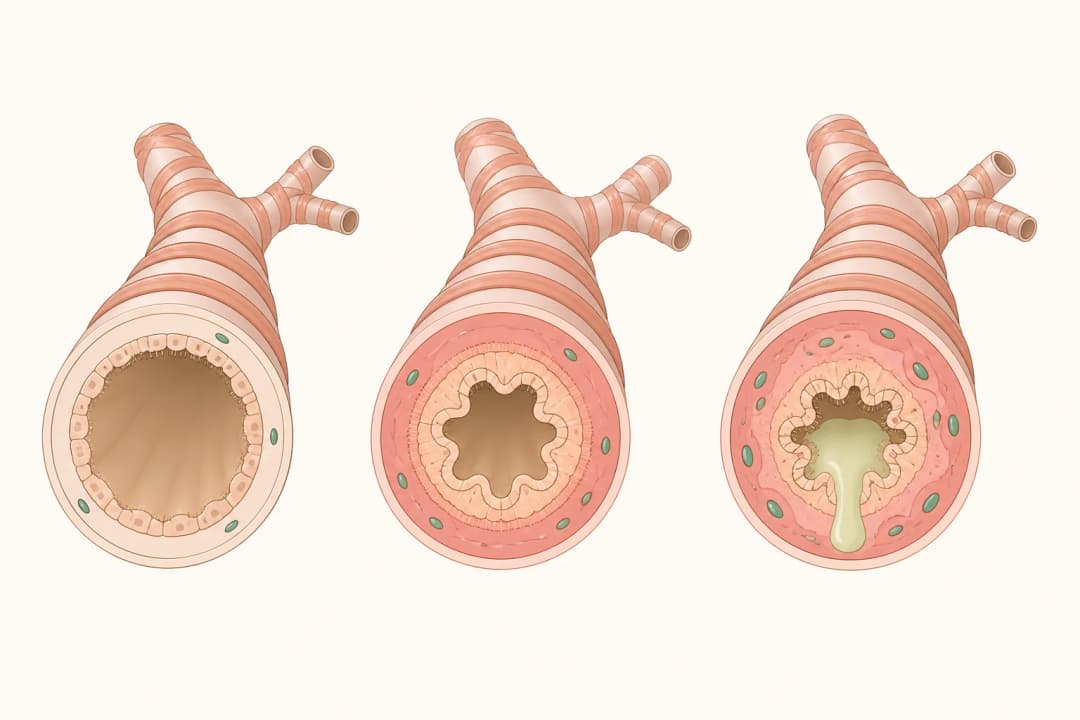
Asthma causes sensitive, inflamed airways that can narrow during flare-ups. A pneumococcal infection can add stress to the lungs, so a clinician may consider asthma control, previous chest infections, other medical conditions and medicines when discussing vaccination. The vaccine targets pneumococcal bacteria; it does not prevent every asthma flare, viral cold or allergic trigger. Symptoms such as Wheezing, Cough or Chest Tightness can have several causes and do not establish an infection on their own.
How to prepare
Bring your asthma action plan and vaccination record to the appointment. Tell the clinician about recent flare-ups, oral steroid courses, severe allergies, immune conditions and all regular inhalers or medicines. Keep prescribed preventer and reliever treatment available as instructed. If you are acutely unwell, the clinician can decide whether vaccination should happen then or be rearranged. Some people may need practical advice about inhaler use or Nebuliser Treatment during respiratory illness.
When to seek care
Follow your asthma action plan and seek urgent help if breathing remains difficult after your reliever, you cannot speak comfortably, your lips look blue or grey, or you become drowsy or confused. A sudden worsening of wheeze or chest tightness needs assessment even when you are waiting for a vaccine appointment. After vaccination, urgent symptoms include facial or throat swelling, widespread hives, trouble breathing or collapse.
Questions for your doctor
Ask whether your asthma history changes vaccine recommendations, whether your current medicines affect timing, and how vaccination fits with seasonal respiratory protection. Ask which symptoms suggest an asthma flare, an infection or both, and when to seek urgent care.
Find care
General Clinics & Polyclinics in Abu Dhabi
That answer is general. If you want it applied to your own case, these are licensed general clinics & polyclinics listed in Abu Dhabi.
27 Ar Ruwwad St - Shakhbout City - MSH4 - Abu Dhabi - United Arab Emirates
Accepts: Daman, Thiqa, Cigna, MetLife +20 more
Al Ruwais, Al Dhafrah
Accepts: Daman, Thiqa, AXA, Cigna +16 more
Al Bahyah - Al Bahyah Old - Abu Dhabi - United Arab Emirates
Accepts: Daman, Thiqa, Cigna, Allianz Care +18 more
Abu Dhabi
Accepts: Daman, Thiqa, AXA, Cigna +27 more
Ordered by verification status and how complete each clinic's public record is, then alphabetically. This is a directory listing, not a ranking — Zavis does not rate or recommend providers.
A factual listing drawn from the DHA, DOH and MOHAP licence registers. It is not a referral, an endorsement, or advice that any of these providers is right for you.
Questions people ask
Can someone with asthma receive pneumococcal vaccination?
Many people with asthma can discuss vaccination with a clinician, but individual advice depends on medical history, previous doses and current health.
Does the vaccine replace asthma inhalers?
No. Continue asthma medicines according to your personalised plan; vaccination and asthma treatment serve different purposes.
Related
Related reading
Keep reading
Medical disclaimer. This page is general health information, not medical advice, and it cannot diagnose you. Always consult a licensed healthcare provider about your own symptoms and treatment. In an emergency in the UAE, call 998 for an ambulance.