
What should you know about pediatric type 2 diabetes treatment?
Short answer
Pediatric type 2 diabetes treatment combines personalised food and activity goals, glucose monitoring, prescribed medicines, and regular checks for complications while supporting the child’s wellbeing.
This answers one question. It is not a diagnosis and does not replace an assessment by a licensed doctor.
At a glance
- Core plan
- Food, movement, monitoring, and prescribed medicine
- Monitoring
- Glucose plus kidney, eye, nerve, and foot checks
- Urgency
- Vomiting, confusion, breathing changes, or severe low glucose
What treatment involves
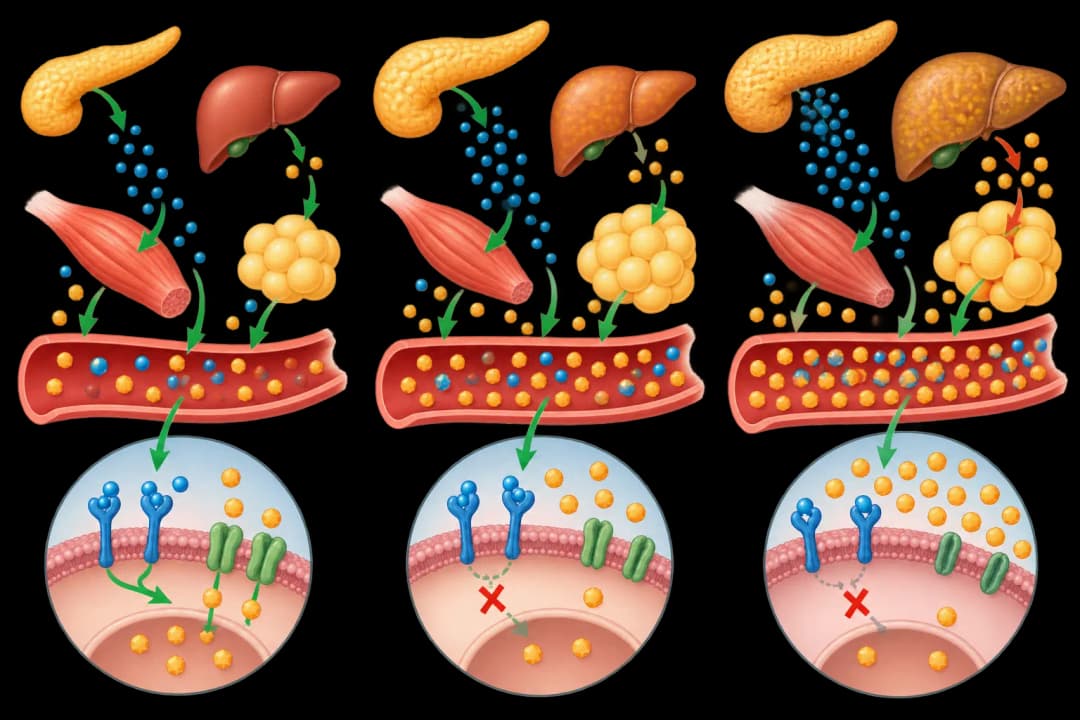
Type 2 diabetes means the body does not respond to insulin effectively, so glucose remains in the bloodstream. In children, treatment is tailored to age, growth, glucose results, symptoms, other health conditions, and family circumstances. The plan may include nutrition support, enjoyable regular movement, glucose checks, and medicine prescribed by the diabetes team. Never change a dose or stop treatment without clinical advice.
Follow-up can include checks of blood pressure, eyes, kidneys, nerves, feet, and cholesterol. [Obesity](/conditions/obesity/) and [Prediabetes](/conditions/prediabetes/) may be discussed as part of the child’s wider metabolic health. Treatment aims to protect health while avoiding shame or blame.
Daily care
Keep meals and snacks predictable when advised, choose water regularly, and build movement into play and family routines. Check glucose exactly as taught, record unusual readings, and keep medicines and supplies available at school and during travel. Tell teachers and activity leaders how to recognise low glucose and whom to contact.
Foot care matters: check for blisters, cuts, redness, or areas the child cannot feel well. Discuss persistent skin infections, slow-healing wounds, or numbness; these can relate to [Cellulitis](/conditions/cellulitis/) or [Peripheral Neuropathy](/conditions/peripheral-neuropathy/). Ask the team how illness, vomiting, and reduced eating change the sick-day plan.
When to seek urgent care
Seek urgent help for repeated vomiting, deep or fast breathing, severe abdominal pain, confusion, unusual sleepiness, or inability to keep fluids down. Treat suspected low glucose according to the child’s prescribed plan; emergency help is needed if the child cannot swallow, has a seizure, or does not improve. A new weakness, speech problem, or facial droop needs emergency assessment because it may signal a stroke.
Questions for your doctor
Ask what glucose range is expected, how often to test, how medicine is adjusted, and what to do during fever or vomiting. Clarify school arrangements, exercise guidance, low-glucose treatment, and the schedule for kidney, eye, nerve, and foot checks. Ask for support if treatment is affecting mood or confidence.
Find care
General Clinics & Polyclinics in Abu Dhabi
That answer is general. If you want it applied to your own case, these are licensed general clinics & polyclinics listed in Abu Dhabi.
27 Ar Ruwwad St - Shakhbout City - MSH4 - Abu Dhabi - United Arab Emirates
Accepts: Daman, Thiqa, Cigna, MetLife +20 more
Al Ruwais, Al Dhafrah
Accepts: Daman, Thiqa, AXA, Cigna +16 more
Al Bahyah - Al Bahyah Old - Abu Dhabi - United Arab Emirates
Accepts: Daman, Thiqa, Cigna, Allianz Care +18 more
Abu Dhabi
Accepts: Daman, Thiqa, AXA, Cigna +27 more
Ordered by verification status and how complete each clinic's public record is, then alphabetically. This is a directory listing, not a ranking — Zavis does not rate or recommend providers.
A factual listing drawn from the DHA, DOH and MOHAP licence registers. It is not a referral, an endorsement, or advice that any of these providers is right for you.
Questions people ask
Can lifestyle changes replace diabetes medicine?
Some children need medicine from diagnosis, while others may have treatment adjusted over time; changes should be decided with the diabetes team.
What is low glucose?
Hypoglycaemia is glucose below the child’s target range and may cause sweating, shakiness, hunger, confusion, or unusual behaviour; use the prescribed response plan.
Why are regular checks needed?
Regular checks can identify changes in glucose control and early effects on organs, allowing the care team to adjust support.
Related
Related reading
Keep reading
Medical disclaimer. This page is general health information, not medical advice, and it cannot diagnose you. Always consult a licensed healthcare provider about your own symptoms and treatment. In an emergency in the UAE, call 998 for an ambulance.