
What should you know about nosocomial pneumonia caused by?
Short answer
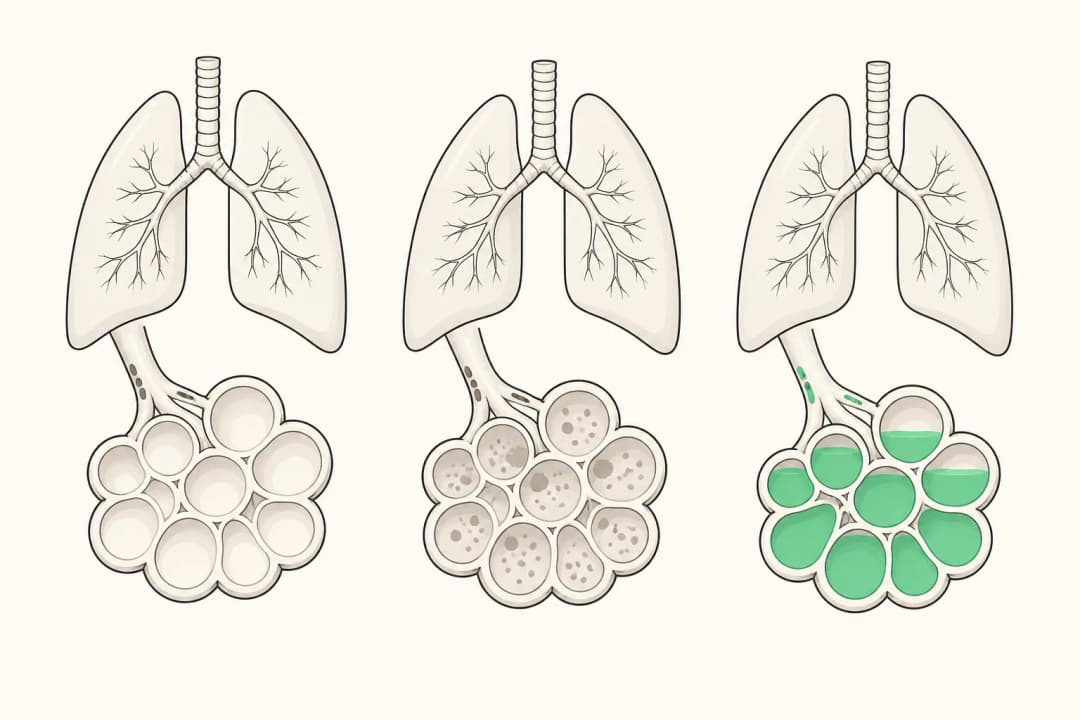
Nosocomial pneumonia is usually caused by bacteria acquired during hospital care, though viruses, fungi, aspiration, and breathing equipment can also contribute.
This answers one question. It is not a diagnosis and does not replace an assessment by a licensed doctor.
At a glance
- Also called
- Hospital-acquired pneumonia
- Common causes
- Bacteria, aspiration, viruses, fungi, or breathing equipment
- Action
- Report new breathing or infection symptoms to hospital staff promptly
Short answer
It is also called hospital-acquired pneumonia when it begins after admission rather than before the hospital stay. The care team considers the setting, recent treatments, and breathing support when choosing tests and treatment.
Why it can develop in hospital
Hospitalised people may be less able to clear mucus because of illness, surgery, reduced movement, sedation, swallowing problems, or a weak cough. Germs from the mouth or stomach can then enter the lungs, a process called aspiration. A breathing tube or ventilator can provide another route for germs to reach the lower airways.
The organism can differ from one hospital area to another, and some bacteria may not respond to usual antibiotics. For that reason, clinicians may collect a sputum sample, blood sample, or airway sample and use imaging to look for changes in the lungs.
What happens next
Tell the nurse or doctor promptly about a new cough, thicker phlegm, fever, chills, shortness of breath, chest discomfort, or new confusion. The team can check breathing, oxygen levels, temperature, and other signs of infection, then decide whether treatment is needed.
Treatment may include oxygen support, fluids when appropriate, clearing secretions, and medicines directed at the suspected cause. Antibiotics treat bacterial infection but do not treat viral pneumonia, so treatment may be adjusted when test results and the clinical picture become clearer.
When urgent assessment is needed
In hospital, alert staff immediately if breathing becomes harder, lips or face look blue or grey, the person is difficult to wake, or there is sudden confusion. These signs need urgent assessment because a lung infection can impair oxygen delivery and can worsen quickly in someone who is already unwell.
After discharge, seek urgent medical care for worsening breathlessness, persistent high fever, chest pain with breathing, or marked weakness. If there are signs of severe infection such as confusion, fainting, cold clammy skin, or very little urine, emergency care is appropriate because pneumonia can be associated with sepsis.
Questions to ask the care team
You can ask whether the infection is thought to be bacterial, viral, or related to aspiration; which tests are planned; whether breathing support is needed; and how the treatment plan will be reviewed. If the person has a ventilator or swallowing difficulty, ask what measures are being used to reduce further aspiration and help clear secretions.
Find care
General Clinics & Polyclinics in Abu Dhabi
That answer is general. If you want it applied to your own case, these are licensed general clinics & polyclinics listed in Abu Dhabi.
27 Ar Ruwwad St - Shakhbout City - MSH4 - Abu Dhabi - United Arab Emirates
Accepts: Daman, Thiqa, Cigna, MetLife +20 more
Al Ruwais, Al Dhafrah
Accepts: Daman, Thiqa, AXA, Cigna +16 more
Al Bahyah - Al Bahyah Old - Abu Dhabi - United Arab Emirates
Accepts: Daman, Thiqa, Cigna, Allianz Care +18 more
Abu Dhabi
Accepts: Daman, Thiqa, AXA, Cigna +27 more
Ordered by verification status and how complete each clinic's public record is, then alphabetically. This is a directory listing, not a ranking — Zavis does not rate or recommend providers.
A factual listing drawn from the DHA, DOH and MOHAP licence registers. It is not a referral, an endorsement, or advice that any of these providers is right for you.
Questions people ask
Is nosocomial pneumonia contagious?
The pneumonia itself is not always spread from person to person. Whether a germ can spread depends on its cause, so hospital staff may use infection-control precautions while tests are considered.
Can a ventilator cause pneumonia?
A ventilator does not automatically cause infection, but a breathing tube can make it easier for germs to enter the lower airways. Staff use careful airway care and reassess the need for the tube.
Why might antibiotics be changed?
Initial treatment may be chosen for likely bacteria, then changed when sample results, medication allergies, kidney function, and the person's response to treatment are reviewed.
Medical disclaimer. This page is general health information, not medical advice, and it cannot diagnose you. Always consult a licensed healthcare provider about your own symptoms and treatment. In an emergency in the UAE, call 998 for an ambulance.