
What should you know about a normal bladder cystoscopy?
Short answer
A normal bladder cystoscopy means the examined bladder lining and urethra looked reassuring, but it does not explain every urinary symptom.
This answers one question. It is not a diagnosis and does not replace an assessment by a licensed doctor.
At a glance
- Examined
- The urethra and bladder lining
- Meaning
- No concerning visible finding in the examined areas
- Follow-up
- Depends on symptoms, urine tests and clinical context
What a normal view tells you
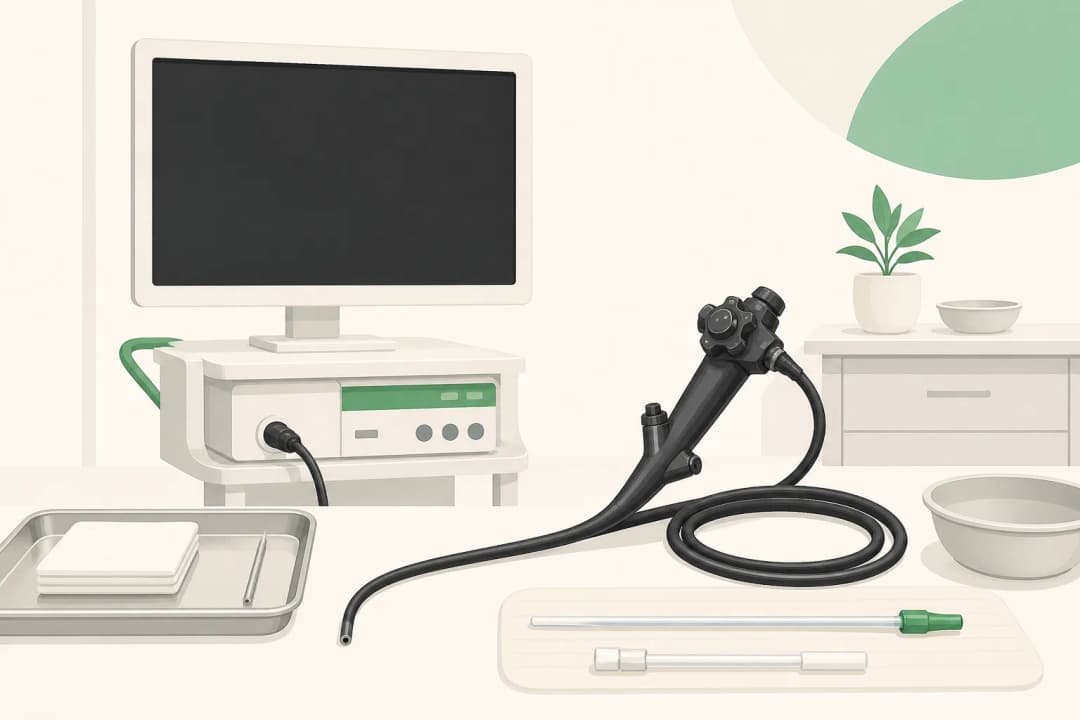
During cystoscopy, a clinician views the urethra and bladder lining with a small camera. A normal report may mean there was no visible tumour, stone, bleeding point or obvious inflammation in the areas reached. It describes what was seen on that examination, not every possible cause of urinary symptoms.
Symptoms can also arise from infection, prostate or pelvic conditions, bladder function, medicines, or problems higher in the urinary tract. Urine tests, imaging or other assessments may add context.
What to do next
Read the report for the areas examined and any recommended follow-up. If blood in the urine, urgency, pain or repeated infections continue, tell the clinician how often symptoms occur and whether they are changing. They may review urine testing, kidney imaging, medicines and other possible causes. A normal examination does not cancel a follow-up plan made for persistent or recurrent symptoms.
When to seek care
Seek urgent medical advice for inability to pass urine, heavy or persistent blood in the urine, fever with flank pain, severe worsening pain or feeling faint. After cystoscopy, increasing pain, fever, chills or difficulty urinating also deserves prompt contact with the care team.
Questions for your doctor
Which parts of the urinary tract were examined? Does the result explain my symptoms? Do I need urine tests or imaging? When should I return if blood, pain or urgency persists? What symptoms should prompt urgent help?
Questions people ask
Does a normal cystoscopy rule out every urinary problem?
No. It cannot assess every cause, including some conditions affecting the kidneys, urine chemistry or bladder function.
Can symptoms continue after a normal cystoscopy?
Yes. Persistent symptoms should be discussed so other causes and appropriate follow-up can be considered.
Related
Related reading
Keep reading
Cancer care in the UAE
Hospitals & Medical Centers in Abu Dhabi
Most UAE cancer care is delivered inside hospital services rather than by standalone oncology clinics, so these are licensed hospitals & medical centers listed in Abu Dhabi. Confirm the specific cancer service exists before you travel, and know that asking for a second opinion is routine.
Ahalia Hospital Musaffah Building - Musaffah - Musaffah Industrial - Abu Dhabi - United Arab Emirates
Accepts: Daman, Thiqa, AXA, Cigna +26 more
Al Ruwais Industrial City - Abu Dhabi - United Arab Emirates
Accepts: Daman, Thiqa, AXA, Cigna +30 more
Abu Dhabi, Abu Dhabi
Accepts: Daman, Thiqa, AXA, Cigna +30 more
Second opinions are routine in cancer care and asking for one does not affect your treatment. How to arrange a second opinion in the UAE.
Ordered by verification status and how complete each clinic's public record is, then alphabetically. This is a directory listing, not a ranking — Zavis does not rate or recommend providers.
A factual listing drawn from the DHA, DOH and MOHAP licence registers. It is not a referral, an endorsement, or advice that any of these providers is right for you.
Medical disclaimer. This page is general health information, not medical advice, and it cannot diagnose you. Always consult a licensed healthcare provider about your own symptoms and treatment. In an emergency in the UAE, call 998 for an ambulance.