
What should you know about the Nexplanon procedure?
Short answer
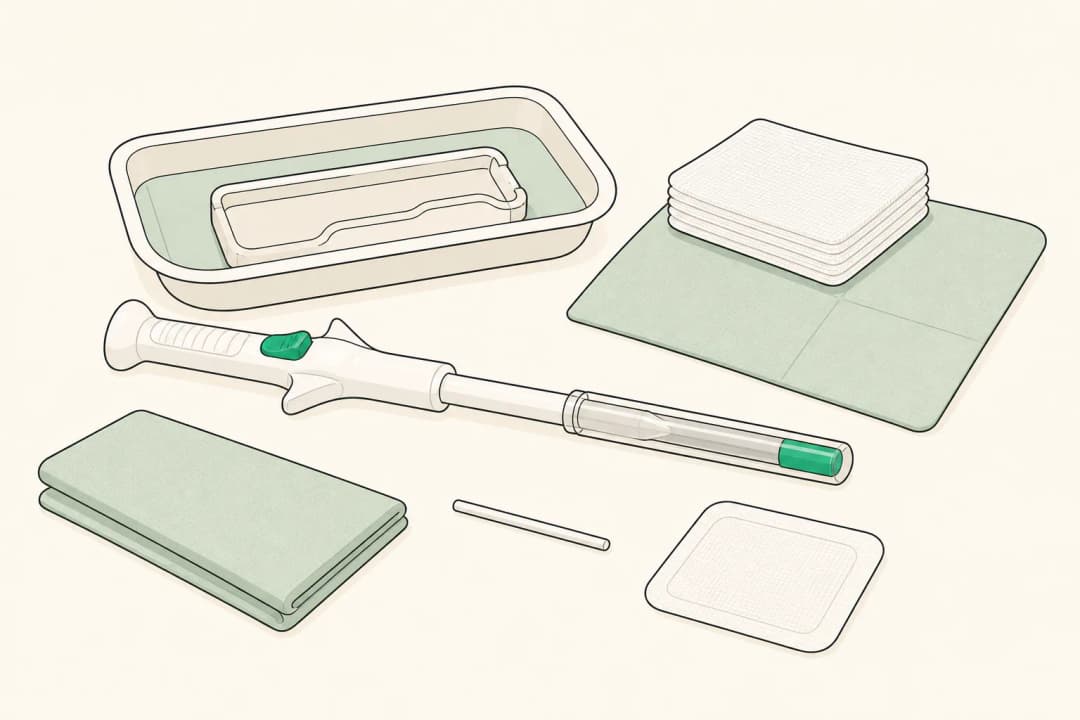
The Nexplanon procedure places a flexible etonogestrel rod under the skin of the upper arm using local anaesthetic.
This answers one question. It is not a diagnosis and does not replace an assessment by a licensed doctor.
At a glance
- Placement
- Under the skin of the upper arm
- Numbing
- Local anaesthetic is used
- Aftercare
- Follow dressing and activity instructions
How insertion works
A trained clinician checks the arm, cleans the skin, numbs the area, and guides the rod beneath the skin. A dressing or pressure bandage may be used afterward. Bruising, tenderness, or mild swelling can occur around the insertion site. The rod should be easy to feel under the skin once swelling settles. Its hormone prevents ovulation and thickens cervical mucus; bleeding patterns may change after placement.
Preparing and recovering
Tell the clinician about allergies, medicines, bleeding problems, and any chance of pregnancy before the procedure. Keep the dressing clean and follow the clinic's instructions about when to remove it. Avoid pressing or rubbing the site while it heals. Keep your insertion record so you know when a review or replacement is due. If you want an alternative, ask about options such as a hormonal coil.
When to seek care
Contact the clinic for worsening pain, spreading redness, warmth, pus, fever, persistent numbness, or a rod that cannot be felt. Seek urgent help for severe arm swelling, marked weakness, chest pain, sudden breathlessness, or fainting. Use additional contraception for the period advised by your clinician if insertion did not occur at a time when protection begins immediately.
Questions for your doctor
Ask where the rod will be placed, when protection begins, how long to keep the dressing on, which activities to avoid during healing, how the implant will be removed, and which bleeding changes merit a review.
Find care
General Clinics & Polyclinics in Abu Dhabi
That answer is general. If you want it applied to your own case, these are licensed general clinics & polyclinics listed in Abu Dhabi.
27 Ar Ruwwad St - Shakhbout City - MSH4 - Abu Dhabi - United Arab Emirates
Accepts: Daman, Thiqa, Cigna, MetLife +20 more
Al Ruwais, Al Dhafrah
Accepts: Daman, Thiqa, AXA, Cigna +16 more
Al Bahyah - Al Bahyah Old - Abu Dhabi - United Arab Emirates
Accepts: Daman, Thiqa, Cigna, Allianz Care +18 more
Abu Dhabi
Accepts: Daman, Thiqa, AXA, Cigna +27 more
Ordered by verification status and how complete each clinic's public record is, then alphabetically. This is a directory listing, not a ranking — Zavis does not rate or recommend providers.
A factual listing drawn from the DHA, DOH and MOHAP licence registers. It is not a referral, an endorsement, or advice that any of these providers is right for you.
Questions people ask
Will insertion hurt?
The skin is numbed first, so you may feel pressure or movement; soreness or bruising afterward is possible.
Can the implant be removed?
Yes. Removal is performed by a trained clinician through a small procedure after the rod is located.
Related
Related reading
Keep reading
Medical disclaimer. This page is general health information, not medical advice, and it cannot diagnose you. Always consult a licensed healthcare provider about your own symptoms and treatment. In an emergency in the UAE, call 998 for an ambulance.