
What should you know about Nexplanon insertion?
Short answer
Nexplanon insertion places a small etonogestrel implant under the skin of the upper arm to release hormone for contraception.
This answers one question. It is not a diagnosis and does not replace an assessment by a licensed doctor.
At a glance
- Placement site
- Just beneath the skin of the inner upper arm
- Hormone released
- Etonogestrel
- Infection protection
- Not provided; condoms may be needed for this purpose
What the insertion involves
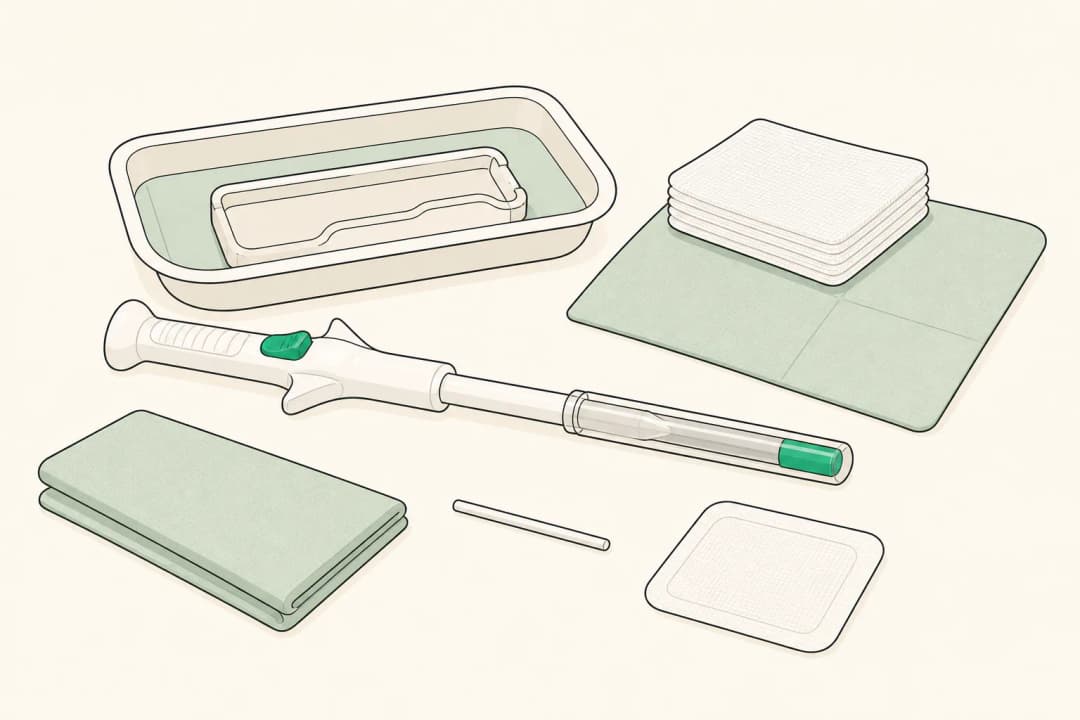
A trained clinician checks that the implant is suitable for you, discusses pregnancy prevention and possible bleeding changes, and confirms the planned arm. The skin is cleaned and numbed before the flexible rod is guided just beneath the skin on the inner side of the upper arm. You should be able to feel the rod under the skin, although it should not be deeply embedded.
A dressing or pressure bandage may be placed afterwards. Tenderness, bruising, mild swelling, or a small amount of bleeding around the insertion point can occur as the area settles. The implant does not protect against sexually transmitted infections, so condoms may still be useful when infection protection is needed.
What to do before and after placement
Tell the clinician about possible pregnancy, medicines and supplements, allergies, bleeding problems, liver disease, or a previous contraceptive implant. Follow the instructions for keeping the dressing clean and dry, and avoid pressing or rubbing the site while it is sore. Check that you can locate the rod once the bandage is removed, without repeatedly handling it.
Ask when contraceptive protection begins, because timing can depend on where you are in your menstrual cycle and whether you are changing from another method. Use the recommended backup method until your clinician confirms that protection has started. Arrange removal or replacement when advised; do not try to remove the rod yourself.
When to seek care
Contact the inserting clinician if the wound becomes increasingly red, hot, swollen, or painful, if pus or persistent bleeding appears, or if you develop a fever. Seek prompt assessment if the rod cannot be felt, seems to have moved, or was inserted too deeply. Sudden arm weakness, numbness, or severe pain also needs urgent medical attention.
Get urgent help for symptoms of a severe allergic reaction, such as swelling of the face or difficulty breathing. If you have concerning symptoms of pregnancy, including severe lower abdominal pain or unusual bleeding, seek medical advice promptly.
Questions for your doctor
Useful questions include: When will contraception begin for me? Which medicines could affect the implant? What bleeding pattern should I report? How should I care for the dressing? When should the implant be checked, replaced, or removed?
Find care
General Clinics & Polyclinics in Abu Dhabi
That answer is general. If you want it applied to your own case, these are licensed general clinics & polyclinics listed in Abu Dhabi.
27 Ar Ruwwad St - Shakhbout City - MSH4 - Abu Dhabi - United Arab Emirates
Accepts: Daman, Thiqa, Cigna, MetLife +20 more
Al Ruwais, Al Dhafrah
Accepts: Daman, Thiqa, AXA, Cigna +16 more
Al Bahyah - Al Bahyah Old - Abu Dhabi - United Arab Emirates
Accepts: Daman, Thiqa, Cigna, Allianz Care +18 more
Abu Dhabi
Accepts: Daman, Thiqa, AXA, Cigna +27 more
Ordered by verification status and how complete each clinic's public record is, then alphabetically. This is a directory listing, not a ranking — Zavis does not rate or recommend providers.
A factual listing drawn from the DHA, DOH and MOHAP licence registers. It is not a referral, an endorsement, or advice that any of these providers is right for you.
Questions people ask
Can I feel Nexplanon after insertion?
Yes. The rod is usually palpable beneath the skin, but it should not cause severe pain. Tell your clinician if you cannot feel it or notice a change in its position.
Will my bleeding change after Nexplanon insertion?
Bleeding may become less predictable, more frequent, lighter, or absent. Ask your clinician which changes are expected for you and which symptoms need assessment.
Related
Related reading
Keep reading
Medical disclaimer. This page is general health information, not medical advice, and it cannot diagnose you. Always consult a licensed healthcare provider about your own symptoms and treatment. In an emergency in the UAE, call 998 for an ambulance.