
How long does Nexplanon last?
Short answer
Nexplanon is intended to work for up to five years, but its end date and medicine interactions should be checked individually.
This answers one question. It is not a diagnosis and does not replace an assessment by a licensed doctor.
At a glance
- Intended duration
- Up to five years
- Check to keep
- Insertion and end dates
- Main follow-up issue
- Removal, replacement, or a planned alternative
Understanding the working life
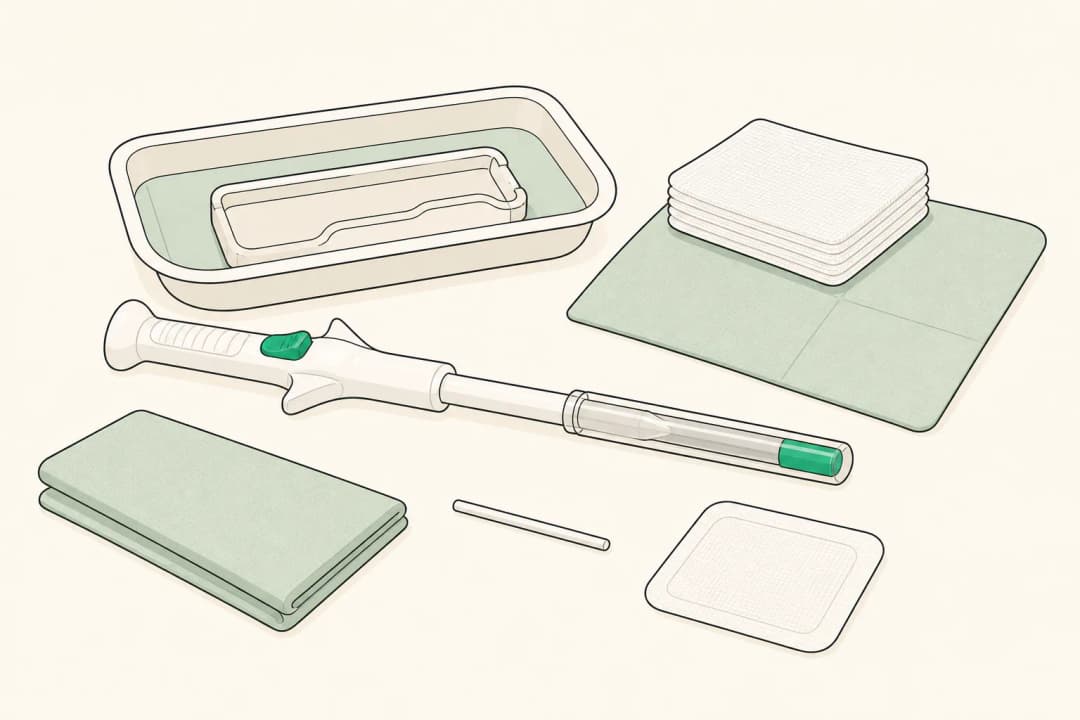
Nexplanon is a rod inserted beneath the skin of the upper arm. It steadily releases etonogestrel, a progestogen that prevents ovulation for the intended duration. The clinician records when it was inserted because that date guides removal or replacement planning.
Bleeding can change at any point while the implant is in place. A period returning, stopping, or becoming unpredictable is not a dependable way to decide whether the rod remains effective. Certain medicines can also alter the advice, even before the planned end date.
Keep your contraception continuous
Write down the insertion date and contact your clinic well before the recorded end date. If you want another implant, it may be possible to plan replacement at the same appointment. If you want to stop, discuss how to avoid pregnancy after removal. A hormonal coil is an alternative long-acting method; the implant rod page covers the device material.
Tell the clinician if you cannot feel the rod, if it was inserted elsewhere, or if you have started prescription medicines or herbal products since insertion. Bring an up-to-date medicine list to the appointment.
Do not wait with these concerns
Get medical advice if the implant cannot be felt, the arm develops worsening pain or swelling, or the skin over it becomes red or warm. Seek urgent assessment for a positive pregnancy test with abdominal pain, faintness, or heavy bleeding. Sudden breathing difficulty or facial swelling needs emergency care.
What to ask at review
Ask for the date your implant should be removed, whether your current medicines affect it, how replacement will be arranged, and what method will protect you if removal and a new method do not happen on the same day.
Find care
General Clinics & Polyclinics in Abu Dhabi
That answer is general. If you want it applied to your own case, these are licensed general clinics & polyclinics listed in Abu Dhabi.
27 Ar Ruwwad St - Shakhbout City - MSH4 - Abu Dhabi - United Arab Emirates
Accepts: Daman, Thiqa, Cigna, MetLife +20 more
Al Ruwais, Al Dhafrah
Accepts: Daman, Thiqa, AXA, Cigna +16 more
Al Bahyah - Al Bahyah Old - Abu Dhabi - United Arab Emirates
Accepts: Daman, Thiqa, Cigna, Allianz Care +18 more
Abu Dhabi
Accepts: Daman, Thiqa, AXA, Cigna +27 more
Ordered by verification status and how complete each clinic's public record is, then alphabetically. This is a directory listing, not a ranking — Zavis does not rate or recommend providers.
A factual listing drawn from the DHA, DOH and MOHAP licence registers. It is not a referral, an endorsement, or advice that any of these providers is right for you.
Questions people ask
Does an irregular period mean the implant has stopped?
No. Bleeding changes are common with the implant and cannot confirm whether protection is present.
What happens when Nexplanon reaches its end date?
Arrange removal or replacement with a trained clinician and plan another contraceptive method if pregnancy prevention is still wanted.
Related
Related reading
Keep reading
Medical disclaimer. This page is general health information, not medical advice, and it cannot diagnose you. Always consult a licensed healthcare provider about your own symptoms and treatment. In an emergency in the UAE, call 998 for an ambulance.