
Migraine treatments: what to expect
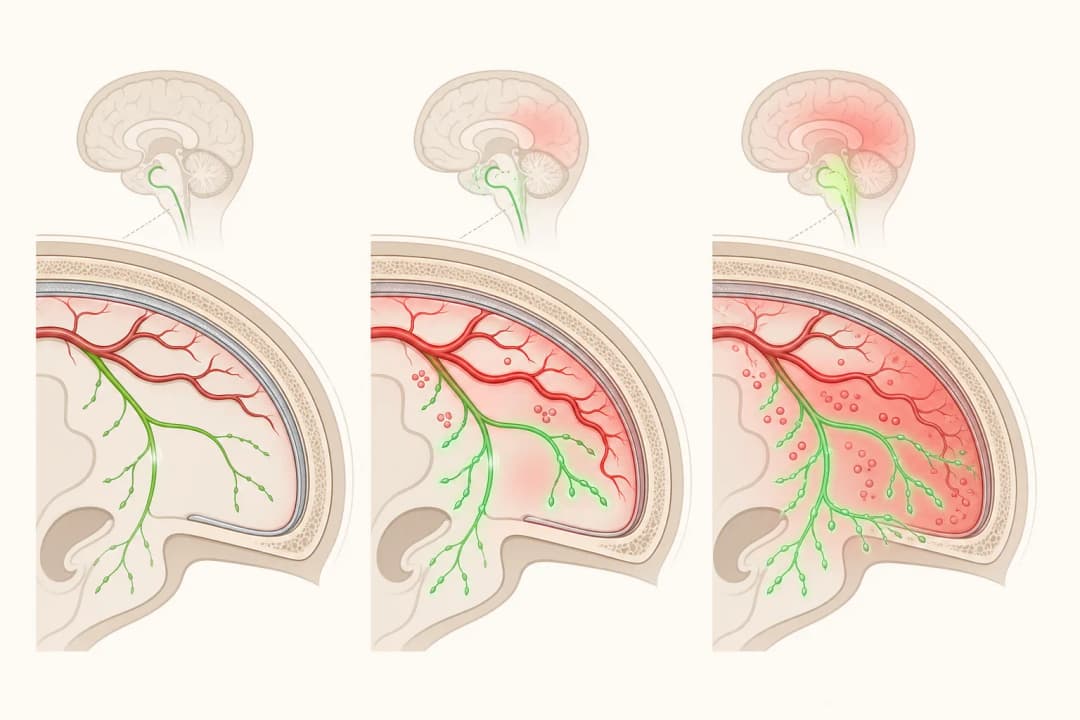
Short answer
Migraine treatments may include medicines for an active attack, prevention for repeated attacks, and practical steps that reduce symptom burden.
This answers one question. It is not a diagnosis and does not replace an assessment by a licensed doctor.
At a glance
- Acute treatment
- Used when an attack begins
- Preventive treatment
- Taken regularly to reduce future attacks
- Review tool
- A diary records symptoms, timing, response, and side effects
The two treatment aims
Acute treatment is used when an attack begins and may target pain, nausea, or both. Preventive treatment is taken on a schedule to reduce the frequency or intensity of attacks; it is considered when migraines are disruptive, difficult to control, or frequent. Choice depends on symptoms, other conditions, pregnancy plans, and current medicines.
Treatment usually works best as part of a wider plan involving sleep, meals, fluids, movement, and trigger awareness. A medication that suits one person may be unsuitable for another.
Making treatment safer
Ask your clinician when to take acute medicine, how often to use it, and what to do if nausea or vomiting prevents swallowing. Follow the prescribed dose, check non-prescription labels for duplicate ingredients, and keep a record of timing and response. Do not stop a preventive medicine suddenly without advice.
Bring your headache diary to reviews. Include headache features, light sensitivity, dizziness, nausea, missed activities, and unwanted effects. This helps the plan change for a clear reason.
When to seek care
Seek urgent help for a sudden severe headache, new weakness, trouble speaking, confusion, fainting, fever with a stiff neck, or a headache after injury. Arrange review when treatment stops helping, side effects are troublesome, attacks change pattern, or vomiting prevents fluids. New vertigo with neurological symptoms needs prompt assessment.
Questions for your doctor
Is my current treatment for attacks or prevention? When should I take it? What side effects matter? Which medicines or supplements should I avoid? What signs mean the plan needs review?
Find care
General Clinics & Polyclinics in Abu Dhabi
That answer is general. If you want it applied to your own case, these are licensed general clinics & polyclinics listed in Abu Dhabi.
27 Ar Ruwwad St - Shakhbout City - MSH4 - Abu Dhabi - United Arab Emirates
Accepts: Daman, Thiqa, Cigna, MetLife +20 more
Al Ruwais, Al Dhafrah
Accepts: Daman, Thiqa, AXA, Cigna +16 more
Al Bahyah - Al Bahyah Old - Abu Dhabi - United Arab Emirates
Accepts: Daman, Thiqa, Cigna, Allianz Care +18 more
Abu Dhabi
Accepts: Daman, Thiqa, AXA, Cigna +27 more
Ordered by verification status and how complete each clinic's public record is, then alphabetically. This is a directory listing, not a ranking — Zavis does not rate or recommend providers.
A factual listing drawn from the DHA, DOH and MOHAP licence registers. It is not a referral, an endorsement, or advice that any of these providers is right for you.
Questions people ask
Do all people with migraine need preventive treatment?
No. The decision depends on the pattern, impact, response to acute treatment, and individual health factors.
Can I use acute treatment whenever pain returns?
Use it only as directed. Repeated use may worsen headache patterns, so discuss recurring symptoms with a clinician.
Keep reading
Medical disclaimer. This page is general health information, not medical advice, and it cannot diagnose you. Always consult a licensed healthcare provider about your own symptoms and treatment. In an emergency in the UAE, call 998 for an ambulance.