
Migraine relief: practical options
Short answer
Migraine relief usually combines an early, personalized treatment plan with rest, hydration, trigger management, and medical review when attacks change or recur.
This answers one question. It is not a diagnosis and does not replace an assessment by a licensed doctor.
At a glance
- During an attack
- Use your agreed treatment early and rest in a calm setting.
- Between attacks
- Protect regular sleep, meals, and hydration.
- Review needed
- Changing attacks or repeated treatment failure.
Relief has more than one part
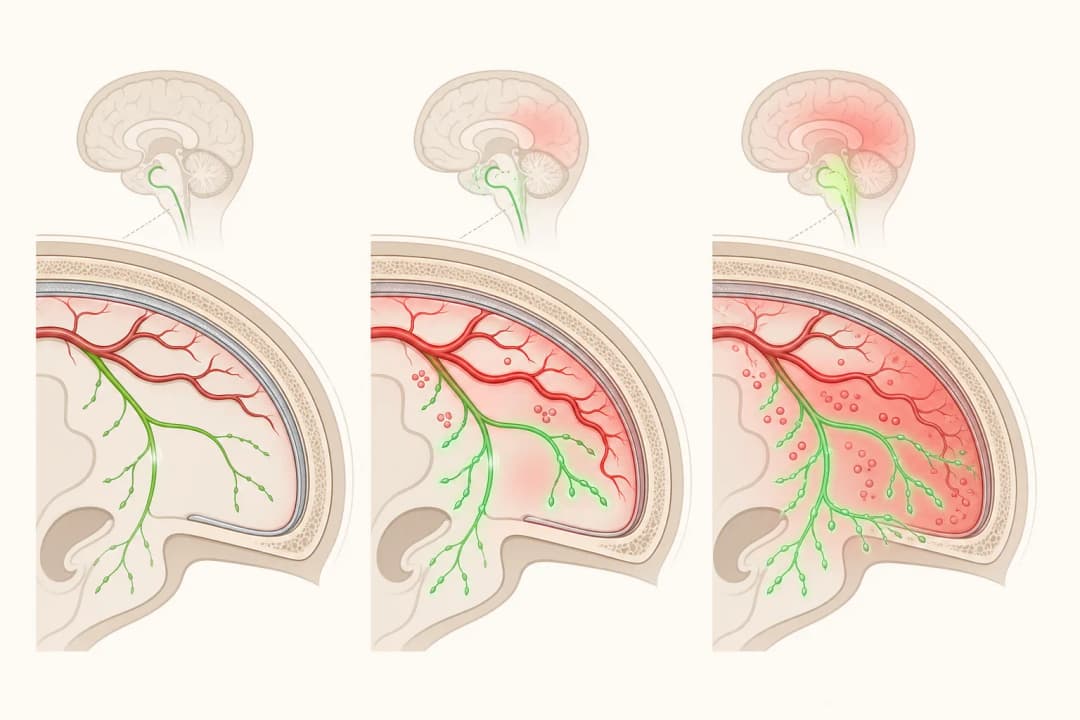
An attack may involve headache, nausea, vomiting, light sensitivity, dizziness, or vertigo. Immediate measures aim to make the episode easier; preventive care aims to reduce future disruption. Triggers vary and can include missed meals, irregular sleep, dehydration, stress, bright light, or strong smells. A symptom diary helps separate a possible trigger from a coincidence and gives your clinician a clearer pattern.
Build a workable plan
At the first familiar signs, use the medicine your clinician has selected and follow the directions. Rest away from bright light and noise, sip fluids, and eat if food is tolerated. Keep sleep and meals regular between attacks, and avoid taking acute pain medicines more often than advised because frequent use can contribute to medication-overuse headache. If attacks interfere with work, sleep, or family life, ask about prevention rather than repeatedly managing each episode alone.
When relief is not enough
Emergency assessment is needed for a sudden severe headache, new weakness, numbness, speech trouble, confusion, fainting, seizure, fever with a stiff neck, or headache after injury. Contact a clinician promptly for a first or changing pattern, persistent neurological symptoms, dehydration from vomiting, or treatment that repeatedly fails. A new headache should be assessed on its own features, not assumed to be migraine.
Questions for a consultation
What should I take at the first sign? Which triggers are worth tracking? Could another condition explain these symptoms? Would preventive treatment or a referral be appropriate?
Find care
General Clinics & Polyclinics in Abu Dhabi
That answer is general. If you want it applied to your own case, these are licensed general clinics & polyclinics listed in Abu Dhabi.
27 Ar Ruwwad St - Shakhbout City - MSH4 - Abu Dhabi - United Arab Emirates
Accepts: Daman, Thiqa, Cigna, MetLife +20 more
Al Ruwais, Al Dhafrah
Accepts: Daman, Thiqa, AXA, Cigna +16 more
Al Bahyah - Al Bahyah Old - Abu Dhabi - United Arab Emirates
Accepts: Daman, Thiqa, Cigna, Allianz Care +18 more
Abu Dhabi
Accepts: Daman, Thiqa, AXA, Cigna +27 more
Ordered by verification status and how complete each clinic's public record is, then alphabetically. This is a directory listing, not a ranking — Zavis does not rate or recommend providers.
A factual listing drawn from the DHA, DOH and MOHAP licence registers. It is not a referral, an endorsement, or advice that any of these providers is right for you.
Questions people ask
What is the first thing to try for migraine relief?
Use the treatment recommended for you early, then reduce light and noise, rest, and drink fluids as tolerated.
When should I ask about prevention?
Discuss prevention when attacks recur or interfere with work, sleep, relationships, or usual activities.
Related
Related reading
Keep reading
Medical disclaimer. This page is general health information, not medical advice, and it cannot diagnose you. Always consult a licensed healthcare provider about your own symptoms and treatment. In an emergency in the UAE, call 998 for an ambulance.