
Lung recovery after pneumonia: what to expect
Short answer
Lung recovery after pneumonia can be gradual, with cough, fatigue and reduced exercise tolerance lasting after the infection improves.
This answers one question. It is not a diagnosis and does not replace an assessment by a licensed doctor.
At a glance
- Common lingering symptoms
- Cough, tiredness and reduced stamina
- Activity
- Increase gradually and pause when symptoms worsen
The short answer
Lung recovery after pneumonia can be gradual, with cough, fatigue and reduced exercise tolerance lasting after the infection improves. Improvement should generally move forward, even if some days feel slower than others. The pace depends on the severity of the illness, your general health and whether another condition affects breathing.
What recovery can feel like
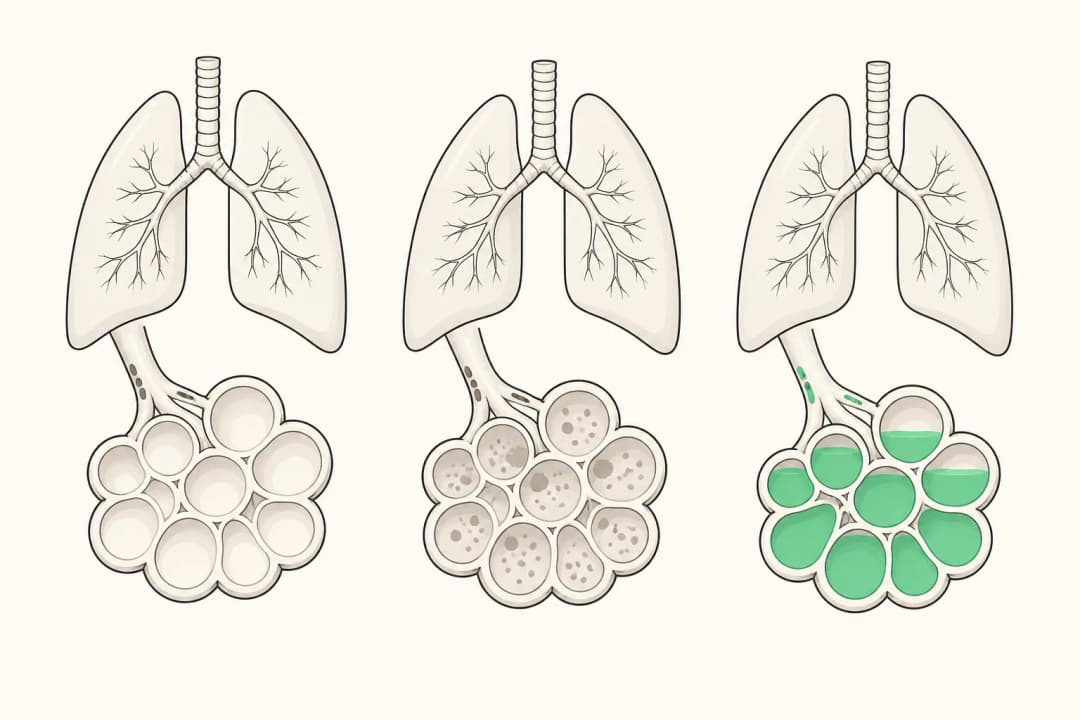
Inflamed airways and air sacs may need time to settle, so a dry or phlegmy cough can remain. You may become breathless sooner during stairs or walking, and your energy may return later than your appetite or fever. A follow-up assessment can check whether symptoms are resolving and whether further testing is needed. Fever, chills or worsening phlegm may signal that the illness is not settling; pneumonia, influenza and COVID-19 can have overlapping symptoms.
Ways to support recovery
Rest when your body asks for it, then increase activity in small steps. Drink enough fluid for your clinician’s advice, eat regular nourishing meals and avoid smoking or smoky air. Take prescribed medicines exactly as directed, and do not restart strenuous exercise simply because the fever has gone. Gentle walking can help you judge your stamina; stop if breathing becomes uncomfortable, dizziness appears or you feel suddenly unwell. Keep any arranged review, especially if recovery is slower than expected.
When to seek care
Seek urgent help for severe or rapidly worsening breathlessness, blue or grey lips, new confusion, fainting, severe chest pain or inability to stay awake. Contact a clinician promptly if fever returns, coughing becomes worse, you cough blood, or you cannot keep fluids down. Sepsis is a serious response to infection and can involve marked weakness, confusion, fast breathing or feeling severely unwell.
Useful questions for your doctor
Ask whether your symptoms are following an expected pattern, when to increase activity, whether you need a repeat examination or chest imaging, and which warning signs should prompt same-day care. Mention any continuing fever, phlegm, chest pain, breathlessness or reduced ability to manage normal tasks.
Find care
General Clinics & Polyclinics in Abu Dhabi
That answer is general. If you want it applied to your own case, these are licensed general clinics & polyclinics listed in Abu Dhabi.
27 Ar Ruwwad St - Shakhbout City - MSH4 - Abu Dhabi - United Arab Emirates
Accepts: Daman, Thiqa, Cigna, MetLife +20 more
Al Ruwais, Al Dhafrah
Accepts: Daman, Thiqa, AXA, Cigna +16 more
Al Bahyah - Al Bahyah Old - Abu Dhabi - United Arab Emirates
Accepts: Daman, Thiqa, Cigna, Allianz Care +18 more
Abu Dhabi
Accepts: Daman, Thiqa, AXA, Cigna +27 more
Ordered by verification status and how complete each clinic's public record is, then alphabetically. This is a directory listing, not a ranking — Zavis does not rate or recommend providers.
A factual listing drawn from the DHA, DOH and MOHAP licence registers. It is not a referral, an endorsement, or advice that any of these providers is right for you.
Questions people ask
Can a cough continue after pneumonia?
Yes. Airway irritation and mucus can persist while the lungs recover, but a worsening or returning cough needs clinical review.
When can I exercise again?
Resume gradually when daily activity is comfortable and your clinician agrees; stop for marked breathlessness, dizziness or chest pain.
Medical disclaimer. This page is general health information, not medical advice, and it cannot diagnose you. Always consult a licensed healthcare provider about your own symptoms and treatment. In an emergency in the UAE, call 998 for an ambulance.