
What should you know about the latest pneumonia vaccine?
Short answer
The latest pneumonia vaccines target important pneumococcal strains, but the right product and schedule depend on age and health risks.
This answers one question. It is not a diagnosis and does not replace an assessment by a licensed doctor.
At a glance
- Coverage
- Targets selected pneumococcal bacteria, not every cause of pneumonia
- Choice
- Schedule depends on age, health risks, and previous doses
What the vaccine does
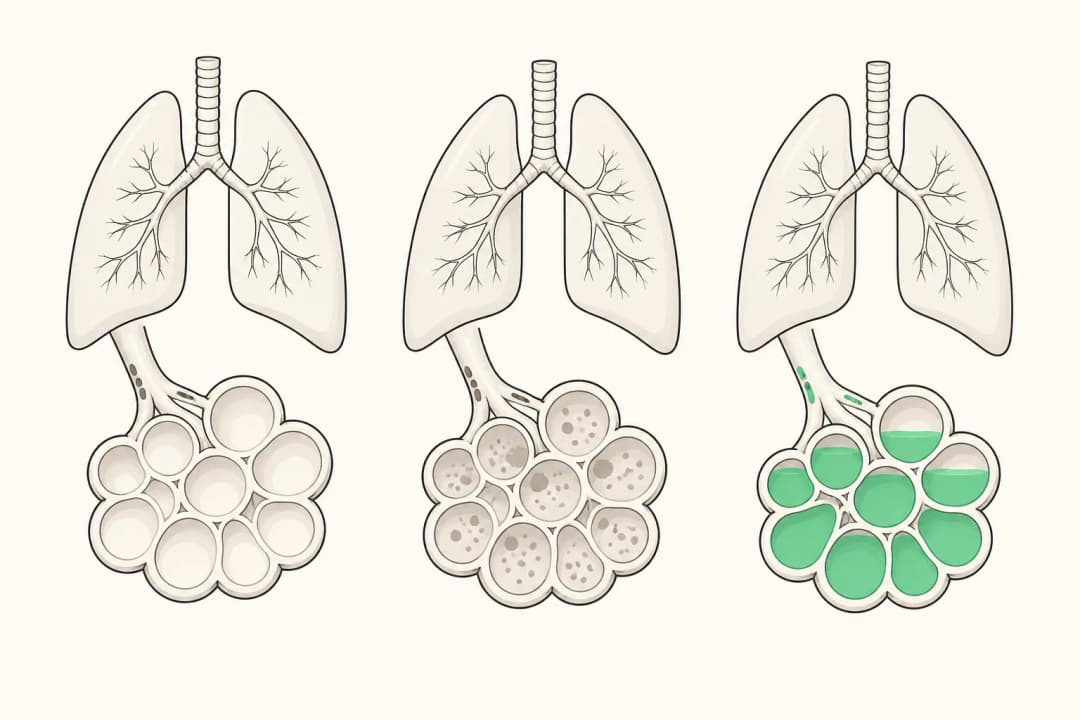
Pneumonia can be caused by several germs, so a pneumonia vaccine does not prevent every lung infection. Pneumococcal vaccines train the immune system to recognise selected bacteria that can cause pneumonia, bloodstream infection, or meningitis. Vaccine choice and timing may depend on age, immune health, chronic heart or lung disease, smoking, previous doses, and local guidance.
A sore arm, tiredness, mild fever, or chills can follow vaccination and usually settle without special treatment. The vaccine cannot treat pneumonia that is already present, and it does not replace seasonal protection against influenza or measures that reduce exposure to respiratory infections.
Planning vaccination
Ask a clinician or vaccination service to check your history before booking. Tell them about allergies, immune-suppressing treatment, pregnancy, fever, and previous vaccine reactions. Keep the record of the product and date, because future doses may be guided by what you have already received.
After vaccination, rest if needed, drink fluids, and follow the service’s advice for discomfort. Continue hand hygiene and avoid close contact with people who are unwell. A vaccinated person can still develop cough or pneumonia, so new respiratory symptoms deserve attention.
When to seek care
Seek urgent help for trouble breathing, blue or grey lips, severe chest pain, new confusion, fainting, or rapidly worsening illness. Fever with shaking chills, a cough producing phlegm, or unusual weakness may need same-day assessment, especially for an older adult or someone with reduced immunity. Severe infection can progress to sepsis and needs emergency care.
Questions for your doctor
Which pneumococcal vaccine is suitable for me? Have I already had a dose? Do my medical conditions or medicines change the schedule? Which reactions are expected, and which need help? How should I protect myself from influenza and other causes of pneumonia?
Find care
General Clinics & Polyclinics in Abu Dhabi
That answer is general. If you want it applied to your own case, these are licensed general clinics & polyclinics listed in Abu Dhabi.
27 Ar Ruwwad St - Shakhbout City - MSH4 - Abu Dhabi - United Arab Emirates
Accepts: Daman, Thiqa, Cigna, MetLife +20 more
Al Ruwais, Al Dhafrah
Accepts: Daman, Thiqa, AXA, Cigna +16 more
Al Bahyah - Al Bahyah Old - Abu Dhabi - United Arab Emirates
Accepts: Daman, Thiqa, Cigna, Allianz Care +18 more
Abu Dhabi
Accepts: Daman, Thiqa, AXA, Cigna +27 more
Ordered by verification status and how complete each clinic's public record is, then alphabetically. This is a directory listing, not a ranking — Zavis does not rate or recommend providers.
A factual listing drawn from the DHA, DOH and MOHAP licence registers. It is not a referral, an endorsement, or advice that any of these providers is right for you.
Questions people ask
Can the pneumonia vaccine cause pneumonia?
No. It trains immune recognition of selected bacteria; it does not cause bacterial pneumonia.
Does vaccination prevent every cough?
No. Cough has many causes, including viruses and other conditions not covered by pneumococcal vaccination.
Medical disclaimer. This page is general health information, not medical advice, and it cannot diagnose you. Always consult a licensed healthcare provider about your own symptoms and treatment. In an emergency in the UAE, call 998 for an ambulance.