
What should you know about the jab for pneumonia?
Short answer
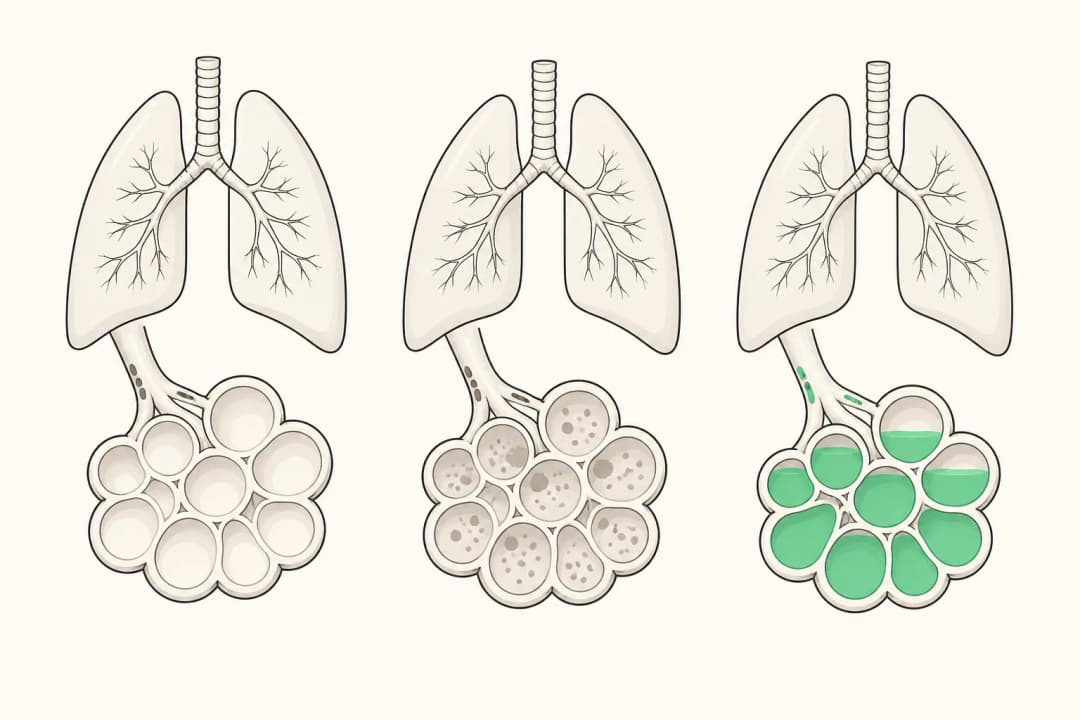
The jab for pneumonia helps protect against selected bacteria that can cause serious lung infection, but it does not prevent every type of pneumonia.
This answers one question. It is not a diagnosis and does not replace an assessment by a licensed doctor.
At a glance
- Purpose
- Prevention of selected bacterial causes of serious pneumonia
- Coverage
- It does not prevent every cause of pneumonia
- Timing
- The schedule is individualised by age, health and prior doses
The short answer
It is generally discussed as a preventive vaccine rather than a treatment for pneumonia that has already started. The exact vaccine and timing depend on factors such as age, pregnancy, immune health, long-term medical conditions and previous vaccination.
What the jab means
Pneumonia can be caused by bacteria, viruses or other organisms. A pneumonia vaccine targets particular bacteria, so vaccination can lower the risk of illness from those causes without covering viral infections such as Influenza or COVID-19.
A sore arm, tiredness or a mild temperature can occur after vaccination and usually settles without special treatment. Tell the vaccinator about previous vaccine reactions, allergies, pregnancy and medicines that affect immunity before the injection.
What to do before and after vaccination
Ask a clinician or pharmacist whether this vaccine is appropriate for you and which schedule applies. Bring details of earlier pneumonia or pneumococcal vaccinations if you have them, because the next step may differ for someone who has already been vaccinated.
After the jab, keep the injection area clean and follow the advice given by the vaccination service. Seek medical advice if a reaction is severe, worsening or unusual for you. Vaccination does not replace assessment when you have a new cough, fever or breathing difficulty.
When to seek care
Arrange prompt medical assessment for a cough with fever, chills, chest pain, increasing breathlessness, confusion, marked weakness or coughing up phlegm, especially if symptoms are getting worse or you have a condition that affects your lungs or immune system.
Call emergency services for severe difficulty breathing, blue or grey lips, collapse, new confusion or inability to stay awake. These signs need urgent attention whether or not you have had the pneumonia jab.
Questions for your doctor
Ask: Which pneumonia vaccine is suitable for me? Do I need more than one dose or a later dose? How does my medical history change the timing? What side effects should prompt a call? Could my current symptoms be pneumonia or another infection?
Find care
General Clinics & Polyclinics in Abu Dhabi
That answer is general. If you want it applied to your own case, these are licensed general clinics & polyclinics listed in Abu Dhabi.
27 Ar Ruwwad St - Shakhbout City - MSH4 - Abu Dhabi - United Arab Emirates
Accepts: Daman, Thiqa, Cigna, MetLife +20 more
Al Ruwais, Al Dhafrah
Accepts: Daman, Thiqa, AXA, Cigna +16 more
Al Bahyah - Al Bahyah Old - Abu Dhabi - United Arab Emirates
Accepts: Daman, Thiqa, Cigna, Allianz Care +18 more
Abu Dhabi
Accepts: Daman, Thiqa, AXA, Cigna +27 more
Ordered by verification status and how complete each clinic's public record is, then alphabetically. This is a directory listing, not a ranking — Zavis does not rate or recommend providers.
A factual listing drawn from the DHA, DOH and MOHAP licence registers. It is not a referral, an endorsement, or advice that any of these providers is right for you.
Questions people ask
Can the pneumonia jab treat pneumonia?
No. It is intended to prevent illness from selected bacteria. A person with symptoms still needs medical assessment and treatment advice.
Does the jab prevent viral pneumonia?
No. The vaccine targets selected bacteria, so it does not cover every viral cause of pneumonia.
Should I get vaccinated if I have a cough?
Ask a clinician or pharmacist, particularly if you have fever, breathlessness or feel significantly unwell. They can assess the illness and advise on timing.
Medical disclaimer. This page is general health information, not medical advice, and it cannot diagnose you. Always consult a licensed healthcare provider about your own symptoms and treatment. In an emergency in the UAE, call 998 for an ambulance.