
Irregular periods with less bleeding
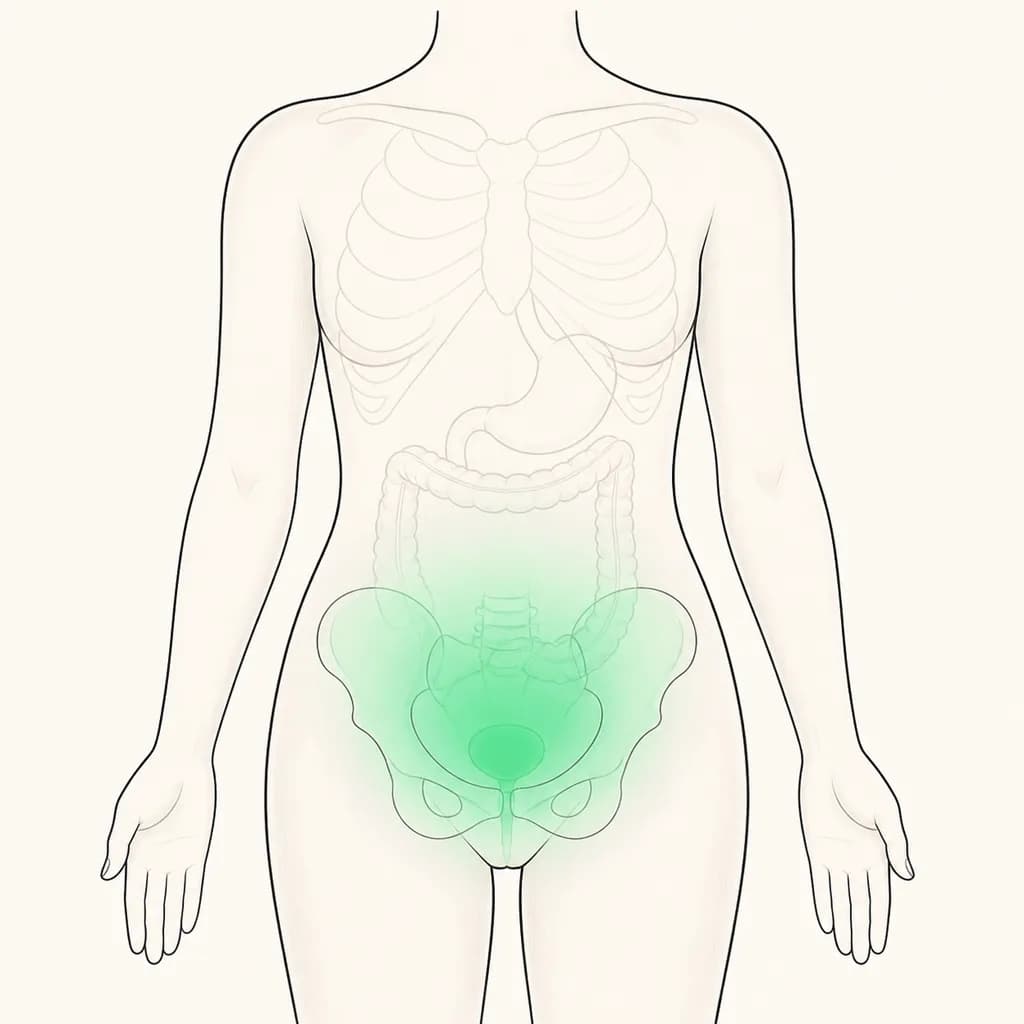
Short answer
Irregular periods with less bleeding may result from changed ovulation, hormonal contraception, pregnancy, stress, or a condition needing assessment.
This answers one question. It is not a diagnosis and does not replace an assessment by a licensed doctor.
At a glance
- Describe
- Timing, bleeding days, flow, pain, discharge, and contraception
- Consider
- Pregnancy testing when a light bleed is unusual
- Review
- Persistent or repeated changes need a clinical assessment
How to interpret lighter flow
A light period may be a short bleed or spotting rather than a full menstrual flow. Hormonal contraception can thin the uterine lining, while stress, illness, intense exercise, weight change, and reduced ovulation can alter both timing and amount. Pregnancy can also cause light bleeding, so test if pregnancy is possible rather than assuming the bleed was a period. Anovulation may produce irregular, scant, or prolonged bleeding. Repeated changes can occur with polycystic ovary syndrome, perimenopause, or premature ovarian insufficiency. The meaning depends on your previous pattern, age, medicines, pregnancy possibility, and associated symptoms.
Steps that help
Track dates, the number of bleeding days, whether blood is only seen when wiping, pain, discharge, contraception, and pregnancy symptoms. Take a pregnancy test if there is a missed or unusually light period and pregnancy is possible. Do not take hormones or supplements to force a bleed without medical advice. Arrange a routine appointment if the change lasts through several cycles, keeps returning, follows a new medicine, or comes with acne, excess hair growth, hot flushes, fatigue, or nipple discharge. Bring your cycle record so the clinician can assess the pattern rather than one isolated bleed.
When to seek care promptly
Seek urgent care for severe pelvic pain, faintness, heavy bleeding after a light or missed period, or a positive pregnancy test with pain or bleeding. Prompt review is also appropriate for fever, offensive discharge, or new significant pain during sex. A light flow alone is often not an emergency, but a persistent unexplained change should still be evaluated.
Questions for your doctor
Is this spotting or a menstrual period? Could pregnancy or my contraception explain the reduced flow? Should I be assessed for anovulation, thyroid problems, or another cause? What cycle changes should I report?
Find care
General Clinics & Polyclinics in Abu Dhabi
That answer is general. If you want it applied to your own case, these are licensed general clinics & polyclinics listed in Abu Dhabi.
27 Ar Ruwwad St - Shakhbout City - MSH4 - Abu Dhabi - United Arab Emirates
Accepts: Daman, Thiqa, Cigna, MetLife +20 more
Al Ruwais, Al Dhafrah
Accepts: Daman, Thiqa, AXA, Cigna +16 more
Al Bahyah - Al Bahyah Old - Abu Dhabi - United Arab Emirates
Accepts: Daman, Thiqa, Cigna, Allianz Care +18 more
Abu Dhabi
Accepts: Daman, Thiqa, AXA, Cigna +27 more
Ordered by verification status and how complete each clinic's public record is, then alphabetically. This is a directory listing, not a ranking — Zavis does not rate or recommend providers.
A factual listing drawn from the DHA, DOH and MOHAP licence registers. It is not a referral, an endorsement, or advice that any of these providers is right for you.
Questions people ask
Is a lighter period always a problem?
No. Flow can vary with contraception, stress, illness, and ovulation, but a persistent or unexplained change merits review.
Can light bleeding be pregnancy-related?
It can occur in early pregnancy, so use a pregnancy test when pregnancy is possible and the bleed is unusual.
Related
Related reading
Keep reading
Medical disclaimer. This page is general health information, not medical advice, and it cannot diagnose you. Always consult a licensed healthcare provider about your own symptoms and treatment. In an emergency in the UAE, call 998 for an ambulance.