
Irregular bleeding on the pill: what to know
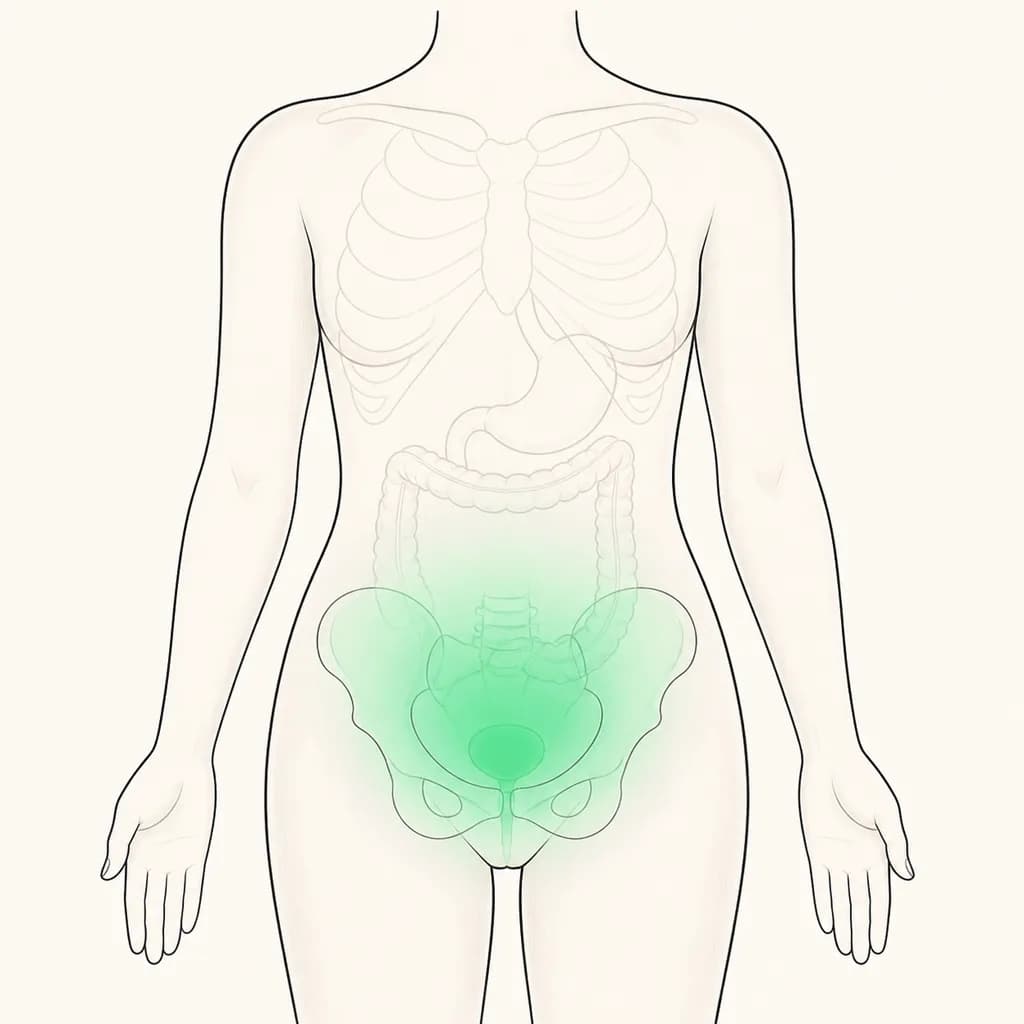
Short answer
Irregular bleeding on the pill can happen when hormone levels alter the womb lining, but pregnancy, missed pills, infection, or another condition may also need checking.
This answers one question. It is not a diagnosis and does not replace an assessment by a licensed doctor.
At a glance
- Track
- Bleeding days, tablet timing, missed doses, pain, and discharge
- Check
- Pregnancy risk after missed pills or reduced absorption
- Urgent signs
- Faintness, severe pain, or heavy bleeding
What the bleeding may mean
Spotting or bleeding between expected withdrawal bleeds is common after starting, changing, or restarting a pill. Taking tablets late, missing doses, vomiting, diarrhoea, or using some medicines can reduce contraceptive protection and contribute to bleeding. The pattern may also reflect the underlying reason for taking the pill, such as irregular ovulation. Anovulation, polycystic ovary syndrome, perimenopause, and premature ovarian insufficiency can each be associated with irregular periods; the bleeding symptom alone does not identify one cause.
Bleeding after sex, unusual discharge, pelvic pain, or bleeding that continues despite taking tablets correctly should be assessed. A pregnancy test may be appropriate if pills were missed, started late, or protection may have been reduced.
Practical next steps
Record the days you take tablets, the timing and amount of bleeding, missed or late doses, pain, and any new medicines. Follow the instructions for your specific pill and do not stop it suddenly without advice if pregnancy prevention matters to you. If a dose was missed or vomiting affected absorption, check the pack leaflet or contact a pharmacist promptly about additional contraception.
A clinician can review whether a combined pill remains suitable, check for pregnancy or infection when indicated, and discuss another approach if the bleeding is difficult to manage.
When to seek medical care
Seek urgent help for very heavy bleeding with dizziness or faintness, severe or one-sided pelvic pain, shoulder-tip pain, or bleeding with a positive pregnancy test. Arrange prompt medical review for bleeding after sex, fever, foul-smelling discharge, new pelvic pain, or bleeding that is persistent, recurrent, or affecting daily life. These warning signs need assessment because they can point to pregnancy-related or pelvic problems rather than a simple pill adjustment.
Questions for your doctor
Ask whether your bleeding pattern fits your pill, whether you need a pregnancy or infection test, how to handle missed tablets, and whether a different formulation or the Combined Pill may be appropriate. If you have symptoms of PCOS, ask whether evaluation or Metformin for PCOS is relevant.
Find care
General Clinics & Polyclinics in Abu Dhabi
That answer is general. If you want it applied to your own case, these are licensed general clinics & polyclinics listed in Abu Dhabi.
27 Ar Ruwwad St - Shakhbout City - MSH4 - Abu Dhabi - United Arab Emirates
Accepts: Daman, Thiqa, Cigna, MetLife +20 more
Al Ruwais, Al Dhafrah
Accepts: Daman, Thiqa, AXA, Cigna +16 more
Al Bahyah - Al Bahyah Old - Abu Dhabi - United Arab Emirates
Accepts: Daman, Thiqa, Cigna, Allianz Care +18 more
Abu Dhabi
Accepts: Daman, Thiqa, AXA, Cigna +27 more
Ordered by verification status and how complete each clinic's public record is, then alphabetically. This is a directory listing, not a ranking — Zavis does not rate or recommend providers.
A factual listing drawn from the DHA, DOH and MOHAP licence registers. It is not a referral, an endorsement, or advice that any of these providers is right for you.
Questions people ask
Can the pill cause spotting?
Yes. Hormonal changes can make the womb lining unstable, particularly after starting or changing a pill.
Should you stop the pill because of irregular bleeding?
Do not stop without advice if pregnancy prevention matters; first check missed-dose guidance and arrange a review if the pattern persists.
Related
Related reading
Keep reading
Medical disclaimer. This page is general health information, not medical advice, and it cannot diagnose you. Always consult a licensed healthcare provider about your own symptoms and treatment. In an emergency in the UAE, call 998 for an ambulance.