
What should you know about IMCI pneumonia?
Short answer
IMCI pneumonia means a clinical approach that checks breathing symptoms and danger signs to guide prompt care.
This answers one question. It is not a diagnosis and does not replace an assessment by a licensed doctor.
At a glance
- Assessment
- Breathing, danger signs and overall condition
- Possible symptoms
- Cough, fever, chills or breathing difficulty
- Treatment
- Depends on the cause and clinical findings
What the term means
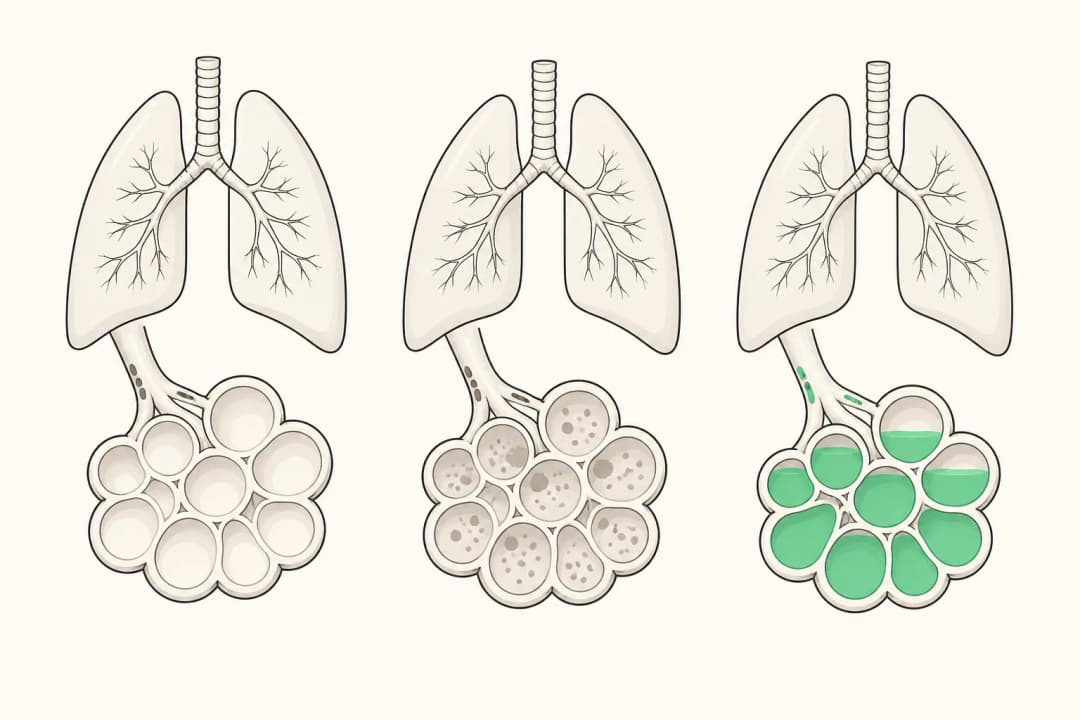
IMCI stands for Integrated Management of Childhood Illness, a structured method originally designed to help health workers assess children with cough or breathing difficulty. It considers fast breathing, chest indrawing, oxygen concerns and general danger signs alongside the child's age and overall appearance. Pneumonia is an infection or inflammation affecting the air sacs and surrounding lung tissue. Viruses and bacteria can cause it, and symptoms may include cough, fever, chills, tiredness or coughing up phlegm. A cough can occur with many illnesses; a cough is not proof of pneumonia.
What to do next
Arrange a medical assessment when a child has a cough or breathing difficulty, especially if feeding is reduced, the child is unusually sleepy or breathing seems harder than usual. A clinician may count breaths, look for chest movement, check oxygen with a pulse oximeter and listen to the lungs. Treatment depends on the findings; bacterial pneumonia may need an antibiotic, while viral illness may need supportive care. Give fluids or breastfeeds when tolerated, keep the child comfortable, and use only medicines advised for that child.
When to seek urgent care
Seek emergency help if the child struggles to breathe, has blue or grey lips, cannot drink or breastfeed, repeatedly vomits, has a seizure, is difficult to wake, or becomes markedly limp. Very young infants and children with immune or long-term health problems may need earlier review. Fever with worsening breathing, dehydration or a rapidly changing level of alertness also needs urgent attention because a severe infection can affect the whole body.
Questions for your doctor
Ask what findings support pneumonia, whether oxygen needs checking, how to give any prescribed medicine, and which changes should prompt immediate reassessment. Tell the clinician when symptoms began, whether the child is drinking and urinating normally, and whether there has been contact with Influenza or COVID-19.
Find care
General Clinics & Polyclinics in Abu Dhabi
That answer is general. If you want it applied to your own case, these are licensed general clinics & polyclinics listed in Abu Dhabi.
27 Ar Ruwwad St - Shakhbout City - MSH4 - Abu Dhabi - United Arab Emirates
Accepts: Daman, Thiqa, Cigna, MetLife +20 more
Al Ruwais, Al Dhafrah
Accepts: Daman, Thiqa, AXA, Cigna +16 more
Al Bahyah - Al Bahyah Old - Abu Dhabi - United Arab Emirates
Accepts: Daman, Thiqa, Cigna, Allianz Care +18 more
Abu Dhabi
Accepts: Daman, Thiqa, AXA, Cigna +27 more
Ordered by verification status and how complete each clinic's public record is, then alphabetically. This is a directory listing, not a ranking — Zavis does not rate or recommend providers.
A factual listing drawn from the DHA, DOH and MOHAP licence registers. It is not a referral, an endorsement, or advice that any of these providers is right for you.
Questions people ask
Does every cough mean pneumonia?
No. Cough has many causes. Pneumonia is considered when cough or breathing difficulty occurs with examination findings or danger signs.
Can pneumonia become serious?
Yes. Breathing difficulty, poor drinking, unusual sleepiness or blue lips require urgent medical assessment.
Medical disclaimer. This page is general health information, not medical advice, and it cannot diagnose you. Always consult a licensed healthcare provider about your own symptoms and treatment. In an emergency in the UAE, call 998 for an ambulance.