
What should you know about hyperthyroidism how to diagnose?
Short answer
Hyperthyroidism is diagnosed by combining symptoms and examination findings with thyroid blood tests, followed by targeted tests to identify the cause when needed.
This answers one question. It is not a diagnosis and does not replace an assessment by a licensed doctor.
At a glance
- Core test
- Thyroid blood tests assess hormone patterns
- Examination
- The clinician checks pulse, eyes, hands, and neck
- Further testing
- Antibodies or thyroid imaging may identify the cause
How clinicians investigate it
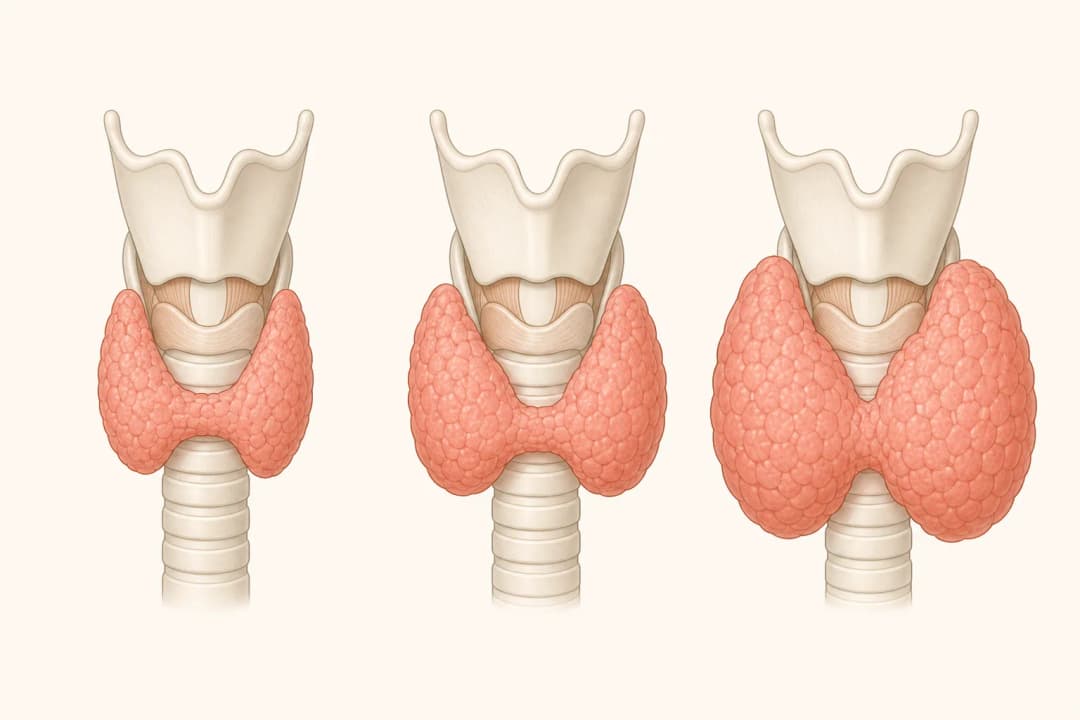
A clinician asks about symptoms such as palpitations, sweating, heat intolerance, anxiety, diarrhoea, night sweats, and difficulty sleeping. They examine your pulse, blood pressure, eyes, hands, and neck, looking for thyroid enlargement or nodules. These findings guide testing but cannot diagnose the condition alone.
Blood tests usually begin with thyroid-stimulating hormone and thyroid hormone levels. The pattern can show whether the thyroid is overactive and whether the problem may be mild or more marked. Antibody testing, an ultrasound, or a thyroid scan may help identify the cause or examine nodules. The tests selected depend on your results, medicines, pregnancy status, and medical history.
Preparing for assessment
Make an appointment if symptoms persist, recur, or are affecting sleep, energy, or daily activities. Bring a list of medicines, vitamins, supplements, and recent test results. Mention pregnancy or plans for pregnancy, heart problems, eye symptoms, and any iodine-containing products. Do not take extra thyroid or iodine products to test whether symptoms improve. If a clinician orders repeat blood tests, attend them even when you feel better because hormone levels can change over time.
When to seek care quickly
Seek urgent help for chest pain, fainting, severe breathlessness, confusion, collapse, or a very fast or irregular heartbeat. A new neck swelling that causes trouble breathing or swallowing needs prompt assessment. These warning signs require attention regardless of whether hyperthyroidism has already been diagnosed.
Questions to take along
Ask which thyroid tests you need, whether medicines or supplements could alter the results, and whether imaging is necessary. Ask what other conditions could explain your symptoms, when results will be reviewed, and which changes should prompt urgent care.
Find care
General Clinics & Polyclinics in Abu Dhabi
That answer is general. If you want it applied to your own case, these are licensed general clinics & polyclinics listed in Abu Dhabi.
27 Ar Ruwwad St - Shakhbout City - MSH4 - Abu Dhabi - United Arab Emirates
Accepts: Daman, Thiqa, Cigna, MetLife +20 more
Al Ruwais, Al Dhafrah
Accepts: Daman, Thiqa, AXA, Cigna +16 more
Al Bahyah - Al Bahyah Old - Abu Dhabi - United Arab Emirates
Accepts: Daman, Thiqa, Cigna, Allianz Care +18 more
Abu Dhabi
Accepts: Daman, Thiqa, AXA, Cigna +27 more
Ordered by verification status and how complete each clinic's public record is, then alphabetically. This is a directory listing, not a ranking — Zavis does not rate or recommend providers.
A factual listing drawn from the DHA, DOH and MOHAP licence registers. It is not a referral, an endorsement, or advice that any of these providers is right for you.
Questions people ask
Can symptoms alone diagnose hyperthyroidism?
No. Symptoms can suggest the condition, but thyroid blood tests are needed to confirm abnormal hormone activity.
Will I always need a scan?
No. A scan or ultrasound is selected when the blood results, examination, or suspected cause makes it useful.
Related
Related reading
Keep reading
Medical disclaimer. This page is general health information, not medical advice, and it cannot diagnose you. Always consult a licensed healthcare provider about your own symptoms and treatment. In an emergency in the UAE, call 998 for an ambulance.