
Can hyperthyroidism be cured?
Short answer
Hyperthyroidism can often be controlled, and some causes may settle, but ongoing follow-up is needed because outcomes vary.
This answers one question. It is not a diagnosis and does not replace an assessment by a licensed doctor.
At a glance
- Depends on
- Cause, treatment and personal circumstances
- Follow-up
- Blood tests and symptom review
- Urgent concern
- Chest pain, fainting or severe breathlessness
Why the answer differs
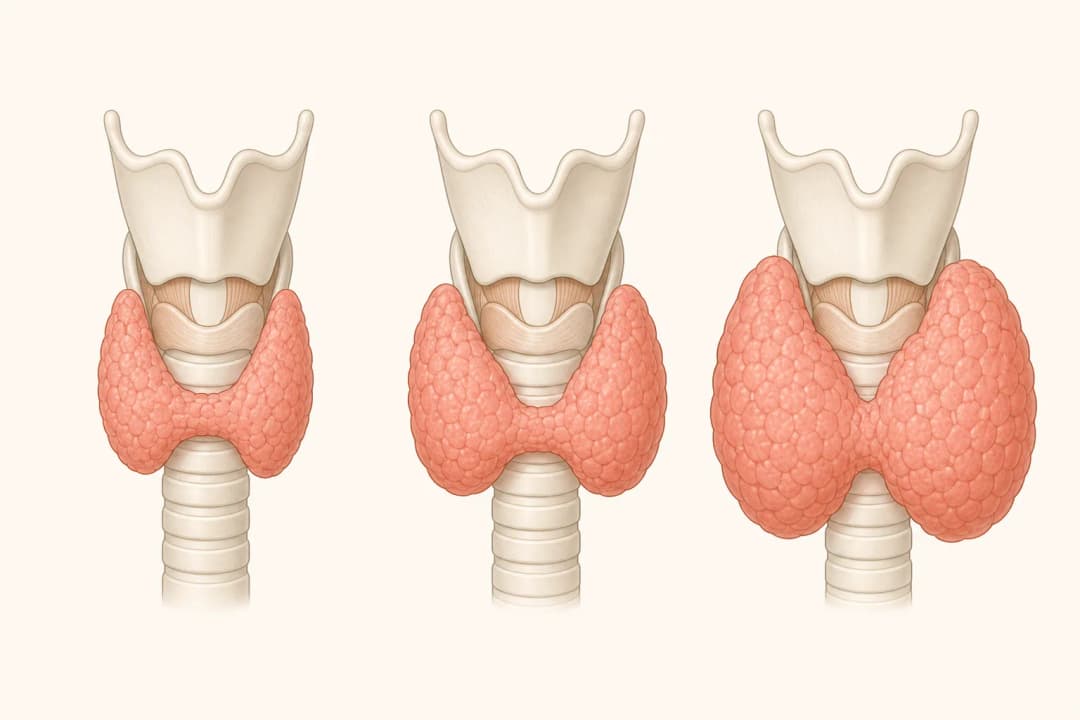
Hyperthyroidism is an overactive thyroid state rather than one single illness. The cause may be an immune condition, a thyroid nodule, inflammation or another trigger. Treatment can include medicine that reduces hormone production, radioactive iodine or surgery; the suitable choice depends on the cause, thyroid structure, pregnancy plans and other health factors.
Some treatments can leave the thyroid underactive, which is managed with replacement hormone. That is a different state, but it can be a planned result of treatment. The condition overview gives more background.
How to work toward control
Attend follow-up appointments and blood tests even when sweating, heat intolerance, anxious feelings, poor sleep, diarrhoea or palpitations improve. Take medicine according to the prescribed schedule and report troublesome effects rather than stopping suddenly. Ask which treatment goal applies to you and how pregnancy, eye symptoms or heart symptoms affect the plan.
Keep a record of symptoms and bring all medicines and supplements to appointments. Avoid making decisions based on symptoms alone, because hormone levels and symptoms may change at different speeds.
When to get urgent help
Seek emergency care for chest pain, severe breathlessness, fainting, confusion, or a very fast or irregular heartbeat. Contact your medical team quickly if symptoms return strongly, you cannot keep fluids down, or you develop a serious reaction after starting treatment.
Questions for your appointment
What caused my hyperthyroidism? Is remission a realistic treatment goal for this cause? What are the benefits and drawbacks of each option? Could I need thyroid replacement later? How will follow-up be scheduled?
Find care
General Clinics & Polyclinics in Abu Dhabi
That answer is general. If you want it applied to your own case, these are licensed general clinics & polyclinics listed in Abu Dhabi.
27 Ar Ruwwad St - Shakhbout City - MSH4 - Abu Dhabi - United Arab Emirates
Accepts: Daman, Thiqa, Cigna, MetLife +20 more
Al Ruwais, Al Dhafrah
Accepts: Daman, Thiqa, AXA, Cigna +16 more
Al Bahyah - Al Bahyah Old - Abu Dhabi - United Arab Emirates
Accepts: Daman, Thiqa, Cigna, Allianz Care +18 more
Abu Dhabi
Accepts: Daman, Thiqa, AXA, Cigna +27 more
Ordered by verification status and how complete each clinic's public record is, then alphabetically. This is a directory listing, not a ranking — Zavis does not rate or recommend providers.
A factual listing drawn from the DHA, DOH and MOHAP licence registers. It is not a referral, an endorsement, or advice that any of these providers is right for you.
Questions people ask
Can hyperthyroidism return after it improves?
It can return with some causes, which is why symptom awareness and scheduled follow-up remain useful even after improvement.
Does needing thyroid replacement mean treatment failed?
No. For some treatment plans, an underactive thyroid is an expected manageable outcome requiring replacement hormone.
Related
Related reading
Keep reading
Medical disclaimer. This page is general health information, not medical advice, and it cannot diagnose you. Always consult a licensed healthcare provider about your own symptoms and treatment. In an emergency in the UAE, call 998 for an ambulance.