
How Long Does Exercise Therapy Take to Work for Fibromyalgia?
Short answer
Exercise therapy for fibromyalgia is usually introduced gently, with some people noticing functional changes within several weeks and broader benefits developing over months.
This answers one question. It is not a diagnosis and does not replace an assessment by a licensed doctor.
At a glance
- Starting point
- Gentle, repeatable activity is preferred over sudden exertion.
- Useful measure
- Notice stamina and recovery as well as pain.
Why progress is gradual
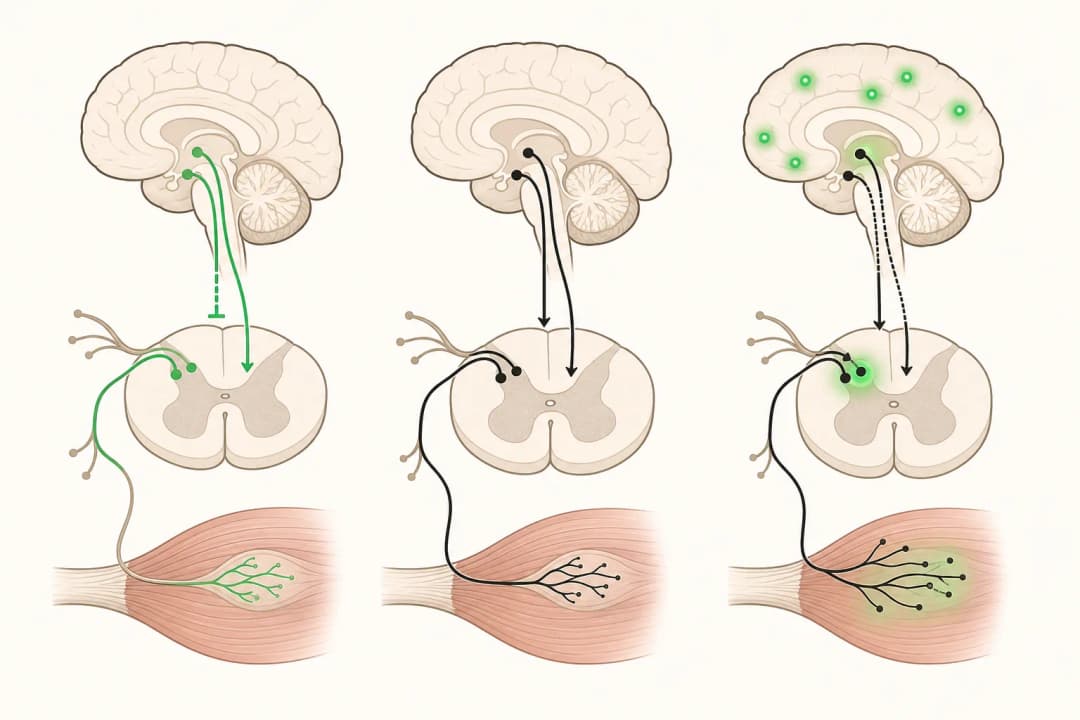
Fibromyalgia can involve widespread pain, fatigue, unrefreshing sleep and increased sensitivity to activity. The aim is not to exhaust the body or force pain away. A carefully paced plan can build tolerance for walking, strengthening, stretching or water-based movement while respecting fatigue and flare patterns. Progress may mean recovering more predictably after activity, completing a daily task with less fear, or maintaining movement on more days. Pain may still fluctuate even when function is improving.
How to pace your programme
Start with a small amount that feels repeatable, then increase one part of the plan at a time. Use rest breaks before exhaustion rather than waiting until you are depleted. A simple diary can compare activity, sleep, fatigue and next-day symptoms. If a flare follows a session, reduce the dose and discuss the response with your physiotherapist instead of abandoning movement. Regular, manageable practice is generally more useful than occasional intense workouts. Your clinician may coordinate exercise with sleep support, medication review or other parts of your care.
When to seek care
Contact your clinician if fatigue, pain or dizziness is repeatedly stopping basic activities, or if the programme causes a clear and sustained decline. Seek urgent care for chest pain, severe breathing difficulty, fainting, sudden one-sided weakness or new confusion. Those symptoms should not be attributed to fibromyalgia without assessment.
Questions to bring
Ask how to choose a starting level, which flare signs mean you should pause, and how to progress without causing a next-day setback. Ask whether your sleep, balance, medicines or another condition should alter the exercise plan.
Find care
General Clinics & Polyclinics in Abu Dhabi
That answer is general. If you want it applied to your own case, these are licensed general clinics & polyclinics listed in Abu Dhabi.
27 Ar Ruwwad St - Shakhbout City - MSH4 - Abu Dhabi - United Arab Emirates
Accepts: Daman, Thiqa, Cigna, MetLife +20 more
Al Ruwais, Al Dhafrah
Accepts: Daman, Thiqa, AXA, Cigna +16 more
Al Bahyah - Al Bahyah Old - Abu Dhabi - United Arab Emirates
Accepts: Daman, Thiqa, Cigna, Allianz Care +18 more
Abu Dhabi
Accepts: Daman, Thiqa, AXA, Cigna +27 more
Ordered by verification status and how complete each clinic's public record is, then alphabetically. This is a directory listing, not a ranking — Zavis does not rate or recommend providers.
A factual listing drawn from the DHA, DOH and MOHAP licence registers. It is not a referral, an endorsement, or advice that any of these providers is right for you.
Questions people ask
Can exercise make fibromyalgia worse at first?
A temporary increase in symptoms can happen when the dose is too high; pacing and clinician-guided adjustments can make activity more manageable.
Should I exercise during a flare?
The right choice depends on the flare and your health; gentle movement may be suitable, while the intensity or duration may need reducing.
Related
Related reading
Keep reading
Medical disclaimer. This page is general health information, not medical advice, and it cannot diagnose you. Always consult a licensed healthcare provider about your own symptoms and treatment. In an emergency in the UAE, call 998 for an ambulance.