
How is fibromyalgia treated?
Short answer
Fibromyalgia is treated with a personalised combination of gradual exercise, symptom-focused medicines, sleep support, education and ongoing follow-up.
This answers one question. It is not a diagnosis and does not replace an assessment by a licensed doctor.
At a glance
- Treatment style
- Gradual, coordinated and adjusted over time
- Useful support
- Pacing, sleep routines and tailored physiotherapy
What treatment addresses
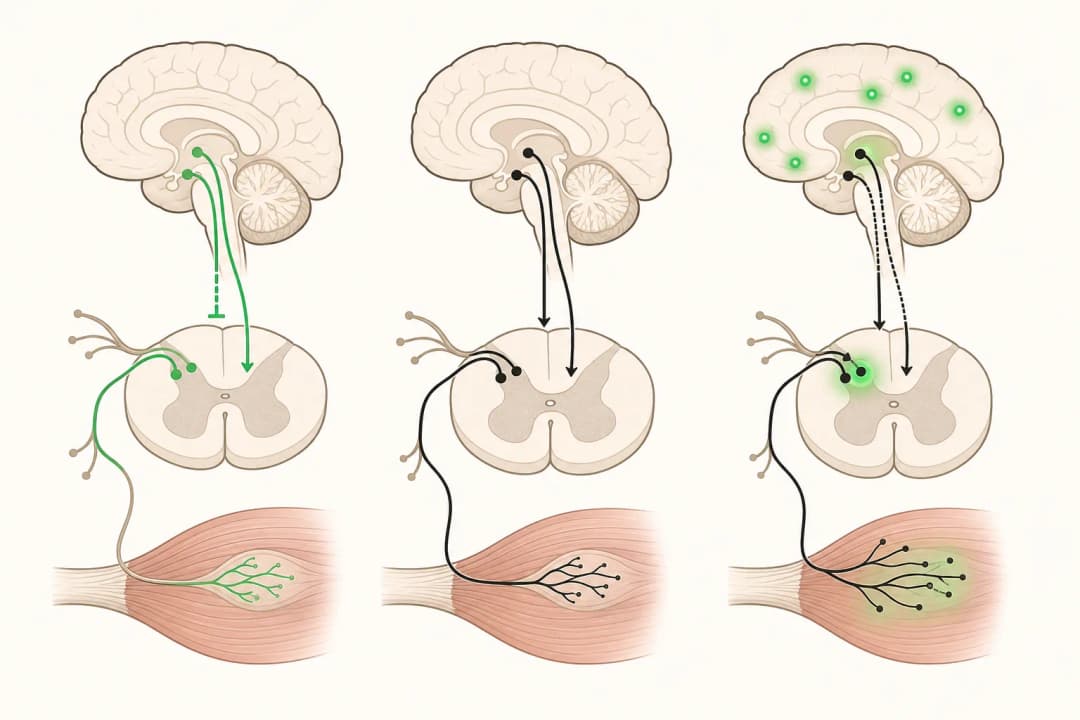
Fibromyalgia can involve widespread muscle aches or joint pain, fatigue, poor sleep and difficulty concentrating. Symptoms can fluctuate, so treatment usually focuses on improving function and making flare-ups more manageable rather than chasing one single cause.
A GP consultation can review your symptoms, medicines, sleep and mood, while checking for other conditions that may need separate treatment. Blood tests may be suggested when symptoms or examination findings point to another explanation; a vitamin D test is one example when clinically appropriate.
Building a manageable plan
Start with small, regular amounts of walking, stretching, strengthening or water-based exercise, increasing only when your body is coping. Physiotherapy can help pace activity, protect against boom-and-bust cycles and adapt exercises around pain and fatigue.
Regular sleep and wake times, calming routines and planned rest can support energy. Your clinician may discuss medicines for pain, sleep or mood, but these should be selected and adjusted with attention to side effects and other treatments. Tracking symptoms can reveal triggers and useful patterns.
When to seek care
Arrange a review if fatigue, pain or sleep problems are reducing daily function, or if your current plan is no longer helping. Seek urgent care for chest pain, severe breathlessness, sudden weakness, new confusion or thoughts of harming yourself; these symptoms need prompt assessment rather than being assumed to be fibromyalgia.
Questions for your doctor
Which symptom should we target first? How can I increase activity without triggering a flare? Do my symptoms suggest another condition or a useful test, and how will we review treatment?
Find care
General Clinics & Polyclinics in Abu Dhabi
That answer is general. If you want it applied to your own case, these are licensed general clinics & polyclinics listed in Abu Dhabi.
27 Ar Ruwwad St - Shakhbout City - MSH4 - Abu Dhabi - United Arab Emirates
Accepts: Daman, Thiqa, Cigna, MetLife +20 more
Al Ruwais, Al Dhafrah
Accepts: Daman, Thiqa, AXA, Cigna +16 more
Al Bahyah - Al Bahyah Old - Abu Dhabi - United Arab Emirates
Accepts: Daman, Thiqa, Cigna, Allianz Care +18 more
Abu Dhabi
Accepts: Daman, Thiqa, AXA, Cigna +27 more
Ordered by verification status and how complete each clinic's public record is, then alphabetically. This is a directory listing, not a ranking — Zavis does not rate or recommend providers.
A factual listing drawn from the DHA, DOH and MOHAP licence registers. It is not a referral, an endorsement, or advice that any of these providers is right for you.
Questions people ask
Is exercise safe with fibromyalgia?
Gentle, gradual exercise is often useful, provided the starting level and progression match your symptoms.
Does fibromyalgia treatment involve tests?
There is no single test that proves fibromyalgia; a clinician may use examination and selected tests to assess other possible causes.
Related
Related reading
Keep reading
Medical disclaimer. This page is general health information, not medical advice, and it cannot diagnose you. Always consult a licensed healthcare provider about your own symptoms and treatment. In an emergency in the UAE, call 998 for an ambulance.