
How effective is a blood test for thalassaemia?
Short answer
Blood tests are effective for detecting many thalassaemia patterns, but further haemoglobin or genetic testing may be needed to confirm the type.
This answers one question. It is not a diagnosis and does not replace an assessment by a licensed doctor.
At a glance
- What it assesses
- Red-cell features and haemoglobin patterns
- Possible next step
- Haemoglobin analysis or genetic testing
- Before iron
- Check whether deficiency is actually present
What the result means
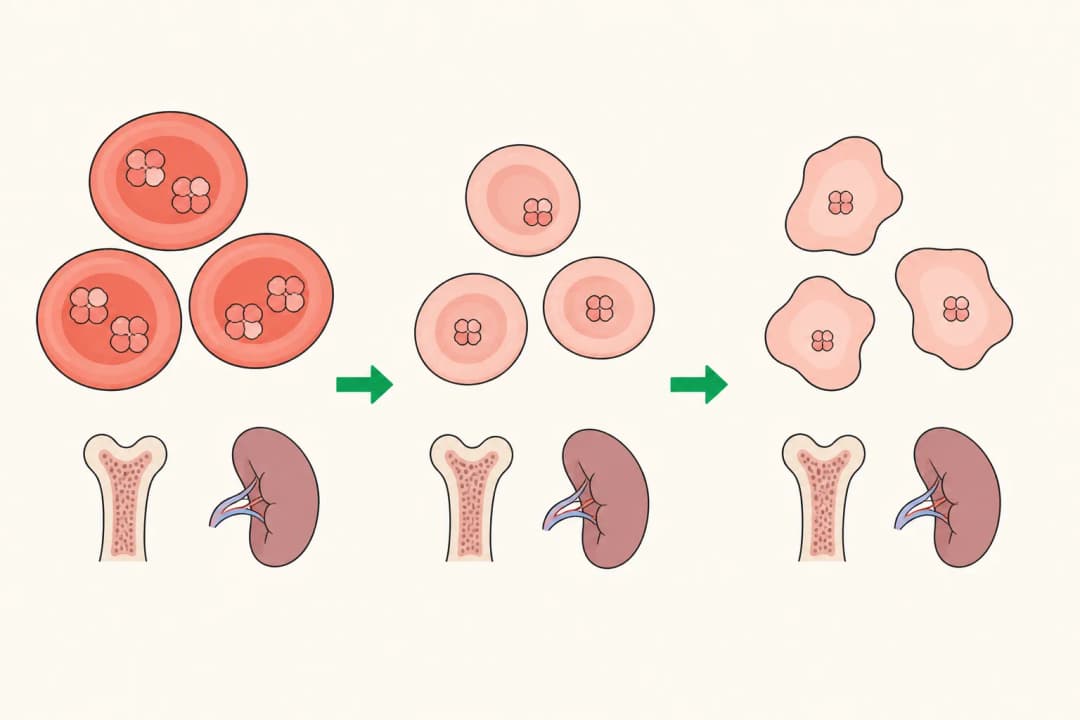
A full blood count can show the size and amount of red blood cells, while haemoglobin analysis can identify patterns associated with thalassaemia. These results may help distinguish thalassaemia from iron deficiency, although the two can have overlapping findings. Some carrier states are subtle and may need more specialised interpretation.
The result is interpreted alongside symptoms, family origin, family history, previous blood tests, iron status and any transfusions. Genetic testing can sometimes clarify an uncertain type or help assess inheritance. A blood test may support the diagnosis without describing how severely a person will be affected.
What to do next
Bring earlier results and tell the clinician about family history, fatigue, breathlessness, heavy menstrual bleeding, pregnancy and supplements. Ask whether iron deficiency has been checked before taking iron. If a carrier state is possible, discuss testing for a partner or relatives when it could inform family planning or future care.
When to seek urgent care
Seek urgent help for severe breathlessness, chest pain, fainting, confusion, sudden marked weakness or a high fever, particularly when thalassaemia is known. Arrange medical review for worsening fatigue, repeated infections or symptoms after a transfusion. Do not wait for routine blood results during a serious illness.
Questions for your doctor
Ask which blood pattern was found, whether iron deficiency could explain part of the result, whether confirmation is needed, and what the result means for relatives or pregnancy planning.
Find care
General Clinics & Polyclinics in Abu Dhabi
That answer is general. If you want it applied to your own case, these are licensed general clinics & polyclinics listed in Abu Dhabi.
27 Ar Ruwwad St - Shakhbout City - MSH4 - Abu Dhabi - United Arab Emirates
Accepts: Daman, Thiqa, Cigna, MetLife +20 more
Al Ruwais, Al Dhafrah
Accepts: Daman, Thiqa, AXA, Cigna +16 more
Al Bahyah - Al Bahyah Old - Abu Dhabi - United Arab Emirates
Accepts: Daman, Thiqa, Cigna, Allianz Care +18 more
Abu Dhabi
Accepts: Daman, Thiqa, AXA, Cigna +27 more
Ordered by verification status and how complete each clinic's public record is, then alphabetically. This is a directory listing, not a ranking — Zavis does not rate or recommend providers.
A factual listing drawn from the DHA, DOH and MOHAP licence registers. It is not a referral, an endorsement, or advice that any of these providers is right for you.
Questions people ask
Can a blood test confirm thalassaemia?
It can strongly support the diagnosis and identify many patterns, but the type may require haemoglobin analysis, genetic testing or specialist interpretation.
Can thalassaemia trait look like iron deficiency?
Some blood-count findings can overlap. Iron studies and haemoglobin testing help clinicians separate these possibilities before treatment is chosen.
Related
Related reading
Keep reading
Medical disclaimer. This page is general health information, not medical advice, and it cannot diagnose you. Always consult a licensed healthcare provider about your own symptoms and treatment. In an emergency in the UAE, call 998 for an ambulance.