
Home remedies for constipation
Short answer
For mild constipation, gradually increase fibre and fluids, stay active, and allow unhurried toilet time while monitoring for warning signs.
This answers one question. It is not a diagnosis and does not replace an assessment by a licensed doctor.
At a glance
- Build gradually
- Increase fibre over time to limit bloating
- Helpful habit
- Respond to the urge without prolonged straining
- Urgent warning
- Pain, vomiting, blood, or a swollen abdomen
What constipation can reflect
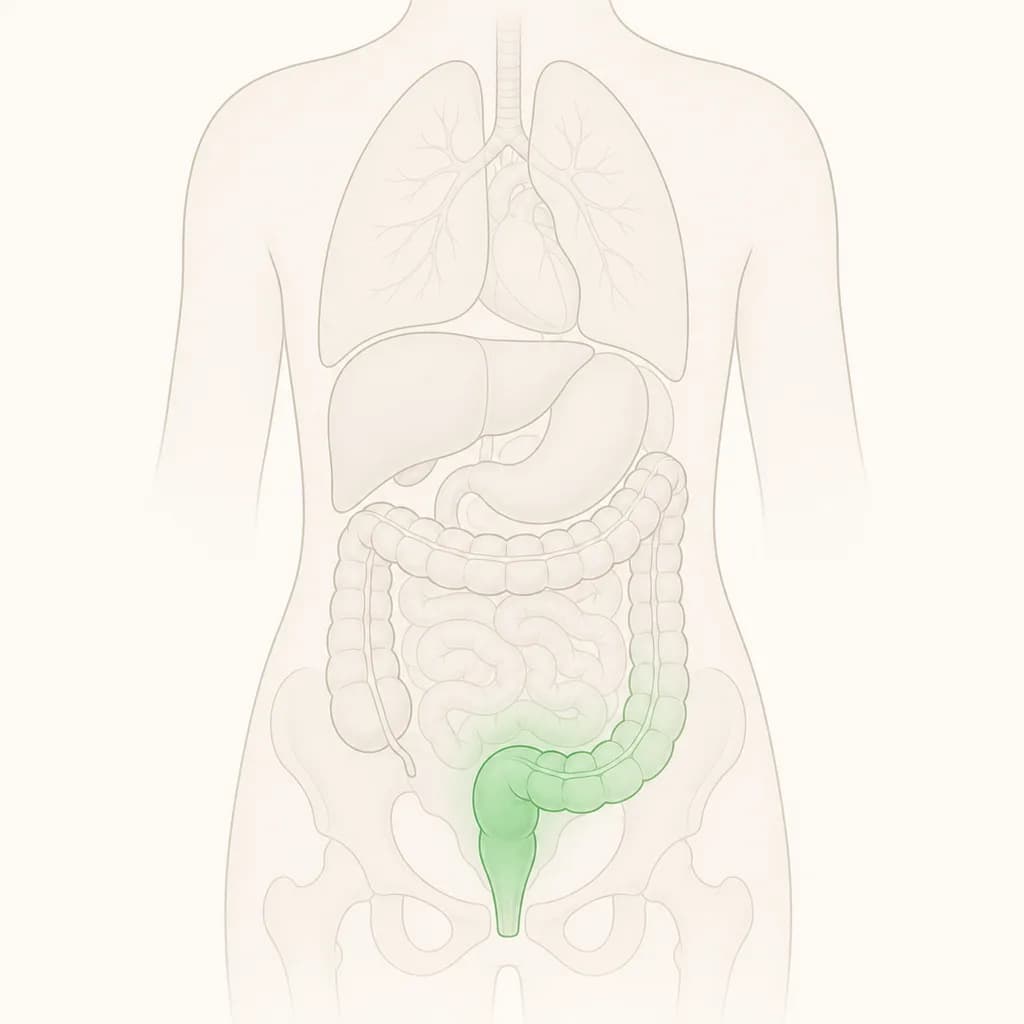
Constipation may mean stools are hard, bowel movements are less frequent than usual, or passing stool requires straining. Changes in routine, low fluid intake, limited movement, diet, medicines, and ignoring the urge can contribute. It can also occur with conditions such as Irritable Bowel Syndrome or Hypothyroidism, so persistent symptoms deserve a clinical review.
Simple measures to try
Drink fluids regularly unless a clinician has told you to restrict them. Add fibre gradually through vegetables, fruit, beans, oats, and whole grains; a sudden increase can cause gas. Gentle walking can encourage bowel movement. Go when you feel the urge, sit comfortably with your feet supported, and avoid prolonged straining.
Review medicines with a pharmacist or doctor before stopping anything. Nutrition Counselling may help if your diet is difficult to adjust. Avoid repeated stimulant laxative use without advice, and do not use a home remedy that causes severe cramps or diarrhoea.
When constipation needs medical care
Arrange a medical review when constipation keeps returning, changes suddenly, or does not improve with sensible self-care. Seek urgent help for severe or persistent abdominal pain, vomiting, a swollen abdomen, blood in the stool, faintness, or inability to pass stool and gas. Dehydration can develop when fluid losses are not replaced.
What to discuss
Tell your clinician when the change began, what your stools are like, your fluid and fibre intake, your medicines, and any weight change or abdominal symptoms. Ask whether a bowel treatment is appropriate and whether conditions such as Diverticular Disease or Hypothyroidism need consideration.
Find care
General Clinics & Polyclinics in Abu Dhabi
That answer is general. If you want it applied to your own case, these are licensed general clinics & polyclinics listed in Abu Dhabi.
27 Ar Ruwwad St - Shakhbout City - MSH4 - Abu Dhabi - United Arab Emirates
Accepts: Daman, Thiqa, Cigna, MetLife +20 more
Al Ruwais, Al Dhafrah
Accepts: Daman, Thiqa, AXA, Cigna +16 more
Al Bahyah - Al Bahyah Old - Abu Dhabi - United Arab Emirates
Accepts: Daman, Thiqa, Cigna, Allianz Care +18 more
Abu Dhabi
Accepts: Daman, Thiqa, AXA, Cigna +27 more
Ordered by verification status and how complete each clinic's public record is, then alphabetically. This is a directory listing, not a ranking — Zavis does not rate or recommend providers.
A factual listing drawn from the DHA, DOH and MOHAP licence registers. It is not a referral, an endorsement, or advice that any of these providers is right for you.
Questions people ask
Does drinking more water always fix constipation?
Fluids can help when low intake contributes, but constipation may also relate to diet, medicines, movement, or an underlying condition. Persistent symptoms need review.
Should I take a laxative for constipation?
A pharmacist or clinician can recommend a suitable option based on your symptoms and health. Avoid repeated use without guidance, especially if pain or vomiting is present.
Related
Related reading
Keep reading
Medical disclaimer. This page is general health information, not medical advice, and it cannot diagnose you. Always consult a licensed healthcare provider about your own symptoms and treatment. In an emergency in the UAE, call 998 for an ambulance.