
Heavy watery period
Short answer
A heavy watery period can be menstrual blood diluted by vaginal fluid, but repeated or unusually heavy bleeding needs assessment for hormonal, uterine, or blood-related causes.
This answers one question. It is not a diagnosis and does not replace an assessment by a licensed doctor.
At a glance
- Appearance
- Thin flow can result from blood mixed with vaginal fluid
- Monitor
- Amount, duration, pain, leaks, and symptoms of low iron
How to understand the pattern
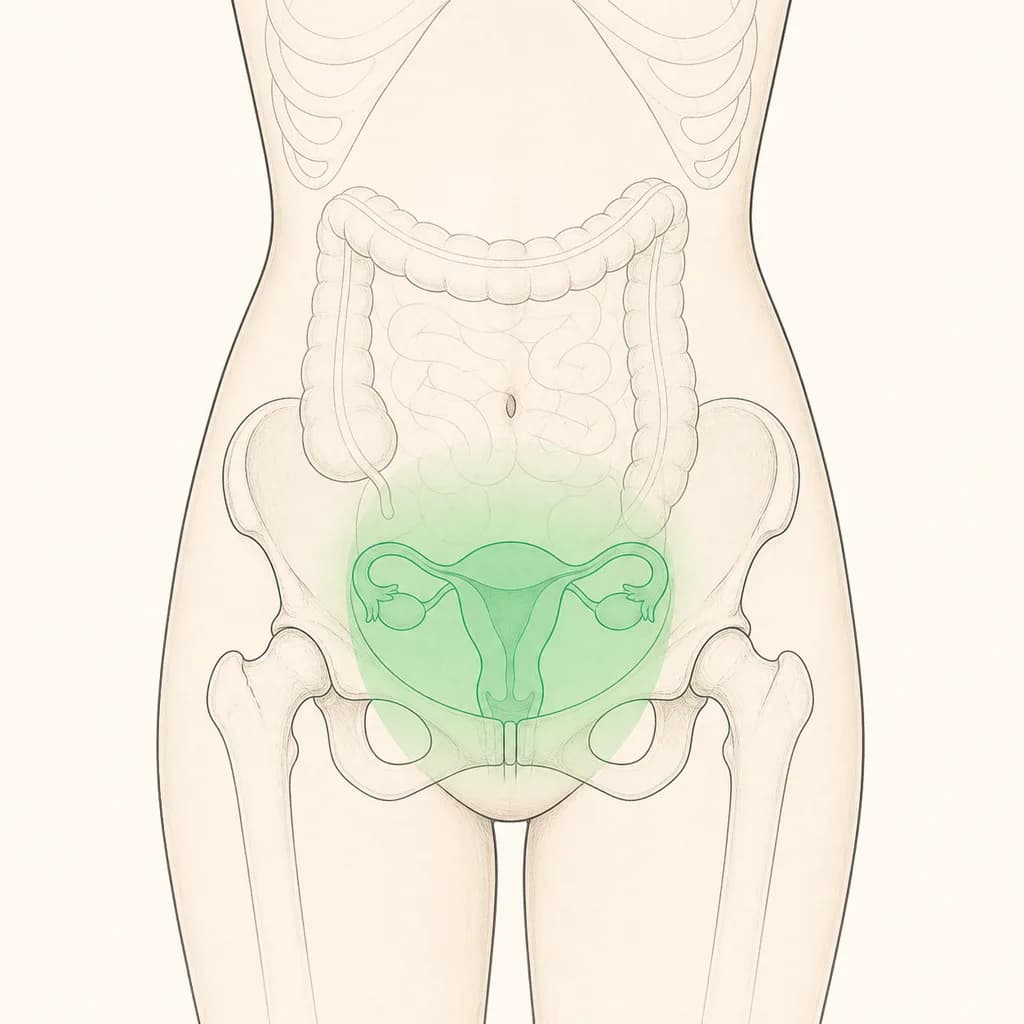
Menstrual flow can look thin when blood mixes with normal vaginal fluid. The appearance alone does not show why bleeding is heavier. Fibroids, adenomyosis, endometrial polyps, endometrial hyperplasia, polycystic ovary syndrome, and the hormonal transition of perimenopause can all be considered when the pattern changes.
Heavy periods may lead to iron deficiency anaemia over time. Watch for tiredness, headaches, dizziness, paleness, reduced stamina, or breathlessness. A heavy period is a symptom, not a diagnosis; most causes can only be distinguished through a history, examination, and selected tests.
Steps to take
Keep a cycle record for the next few periods: start and end dates, the heaviest days, leaks, clots, pain, and any bleeding between periods. Include medicines, contraception, and pregnancy possibility. This gives a clinician a clearer picture than colour alone.
Make a non-urgent appointment when bleeding is newly heavy, lasts longer than your usual period, returns repeatedly, or affects work, sleep, or exercise. Ask whether blood tests or a pelvic scan are appropriate for your symptoms.
Warning signs
Get urgent help if bleeding is rapidly soaking pads, or if it comes with fainting, marked weakness, severe pelvic pain, fever, or possible pregnancy. Breathlessness or chest discomfort with heavy bleeding also needs immediate attention. Do not drive yourself if you feel faint.
Useful questions
Is this amount of bleeding outside my normal pattern? Could my medicines, contraception, or hormonal changes be contributing? Should I be checked for fibroids, polyps, adenomyosis, or low iron? What should I do if the next period is heavier?
Find care
General Clinics & Polyclinics in Abu Dhabi
That answer is general. If you want it applied to your own case, these are licensed general clinics & polyclinics listed in Abu Dhabi.
27 Ar Ruwwad St - Shakhbout City - MSH4 - Abu Dhabi - United Arab Emirates
Accepts: Daman, Thiqa, Cigna, MetLife +20 more
Al Ruwais, Al Dhafrah
Accepts: Daman, Thiqa, AXA, Cigna +16 more
Al Bahyah - Al Bahyah Old - Abu Dhabi - United Arab Emirates
Accepts: Daman, Thiqa, Cigna, Allianz Care +18 more
Abu Dhabi
Accepts: Daman, Thiqa, AXA, Cigna +27 more
Ordered by verification status and how complete each clinic's public record is, then alphabetically. This is a directory listing, not a ranking — Zavis does not rate or recommend providers.
A factual listing drawn from the DHA, DOH and MOHAP licence registers. It is not a referral, an endorsement, or advice that any of these providers is right for you.
Questions people ask
Does watery blood mean something serious?
Not necessarily. Thin-looking flow can have a simple explanation, but a clear change in amount, repeated heavy periods, pain, fever, or pregnancy possibility warrants medical advice.
When should I arrange an appointment?
Arrange one when heavy bleeding is new, persistent, recurrent, or affecting normal activities, especially if you also feel tired, dizzy, pale, or short of breath.
Related
Related reading
Keep reading
Medical disclaimer. This page is general health information, not medical advice, and it cannot diagnose you. Always consult a licensed healthcare provider about your own symptoms and treatment. In an emergency in the UAE, call 998 for an ambulance.