
Healthcare-associated pneumonia
Short answer
Healthcare-associated pneumonia is pneumonia linked with healthcare exposure, and symptoms should be assessed promptly when breathing or general health worsens.
This answers one question. It is not a diagnosis and does not replace an assessment by a licensed doctor.
At a glance
- Meaning
- Pneumonia associated with healthcare exposure
- Assessment
- May include oxygen checks, imaging or samples
- Emergency signs
- Severe breathlessness, confusion or collapse
Understanding the infection
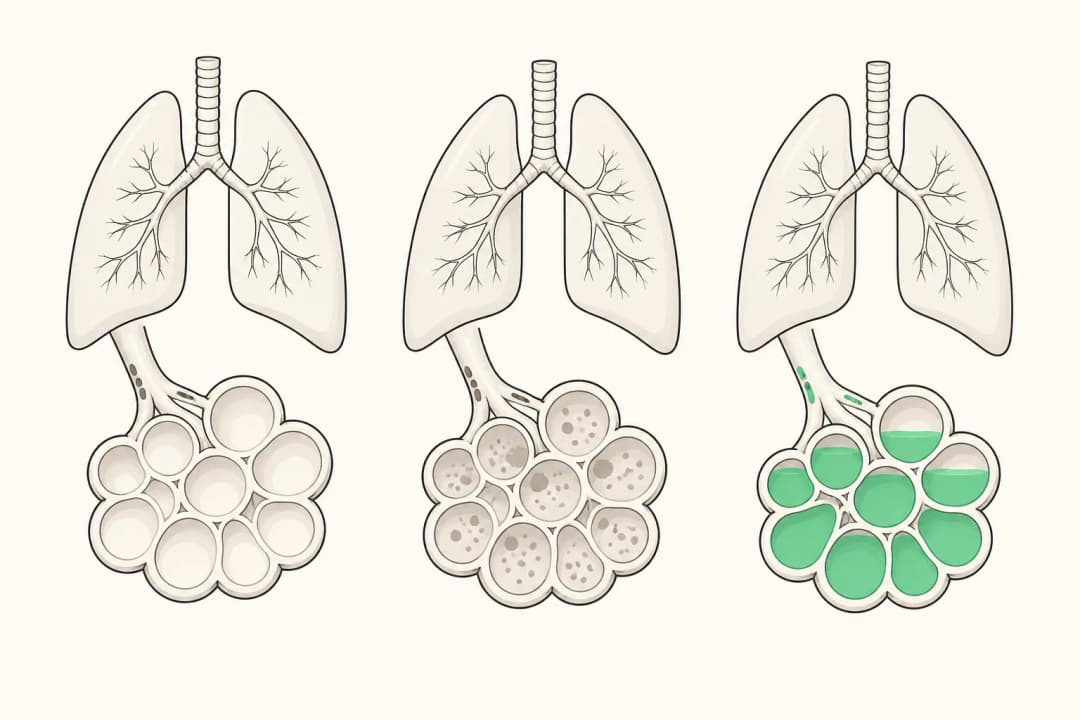
This term describes pneumonia associated with recent contact with hospitals, care settings or regular healthcare services. The infection can inflame lung tissue and reduce oxygen exchange. Cough, fever, chills, breathlessness and phlegm are possible presentations, but symptoms can be subtle in frail adults or people with several illnesses. The clinician considers recent admissions, procedures, devices, antibiotic exposure, swallowing ability and local infection risks when deciding which tests and medicines are suitable. COVID-19 and influenza can also cause respiratory illness, so testing may be considered when relevant.
Care and monitoring
Report a new cough, fever, breathing change or unusual weakness to your care team. Provide a clear list of medicines, allergies and recent healthcare visits. Follow instructions for antibiotics or other treatment, including the full prescribed course unless the clinician changes it. Rest, drink according to your medical plan and sit upright if this is comfortable. Staff may monitor oxygen, temperature, breathing effort and alertness, while physiotherapy or swallowing review may be helpful for some people.
Danger signs
Get immediate medical help for severe or rapidly worsening breathlessness, blue or grey lips, confusion, collapse, severe chest pain or inability to stay awake. A high fever with shaking chills, very low urine output or sudden deterioration also needs urgent assessment because serious infection can spread beyond the lungs. Do not wait for a routine appointment when these signs appear.
Questions for your doctor
Could a virus or another cause explain these symptoms? What tests will identify the infection? How will you judge whether treatment is working, and when should I return for review?
Find care
General Clinics & Polyclinics in Abu Dhabi
That answer is general. If you want it applied to your own case, these are licensed general clinics & polyclinics listed in Abu Dhabi.
27 Ar Ruwwad St - Shakhbout City - MSH4 - Abu Dhabi - United Arab Emirates
Accepts: Daman, Thiqa, Cigna, MetLife +20 more
Al Ruwais, Al Dhafrah
Accepts: Daman, Thiqa, AXA, Cigna +16 more
Al Bahyah - Al Bahyah Old - Abu Dhabi - United Arab Emirates
Accepts: Daman, Thiqa, Cigna, Allianz Care +18 more
Abu Dhabi
Accepts: Daman, Thiqa, AXA, Cigna +27 more
Ordered by verification status and how complete each clinic's public record is, then alphabetically. This is a directory listing, not a ranking — Zavis does not rate or recommend providers.
A factual listing drawn from the DHA, DOH and MOHAP licence registers. It is not a referral, an endorsement, or advice that any of these providers is right for you.
Questions people ask
Can someone develop this outside a hospital?
Yes. The term can include pneumonia associated with care facilities or substantial ongoing healthcare contact, not only a current hospital stay.
Should I stop antibiotics when I feel better?
Only change treatment after speaking with the prescriber, because the planned course depends on the suspected infection and response.
Medical disclaimer. This page is general health information, not medical advice, and it cannot diagnose you. Always consult a licensed healthcare provider about your own symptoms and treatment. In an emergency in the UAE, call 998 for an ambulance.