
Healthcare-acquired pneumonia
Short answer
Healthcare-acquired pneumonia is a lung infection that develops during or after healthcare care and may need prompt assessment and treatment.
This answers one question. It is not a diagnosis and does not replace an assessment by a licensed doctor.
At a glance
- Where it develops
- During or after ongoing healthcare care
- Possible symptoms
- Cough, fever, chills and breathlessness
- Urgent change
- New confusion or worsening breathing
What the term means
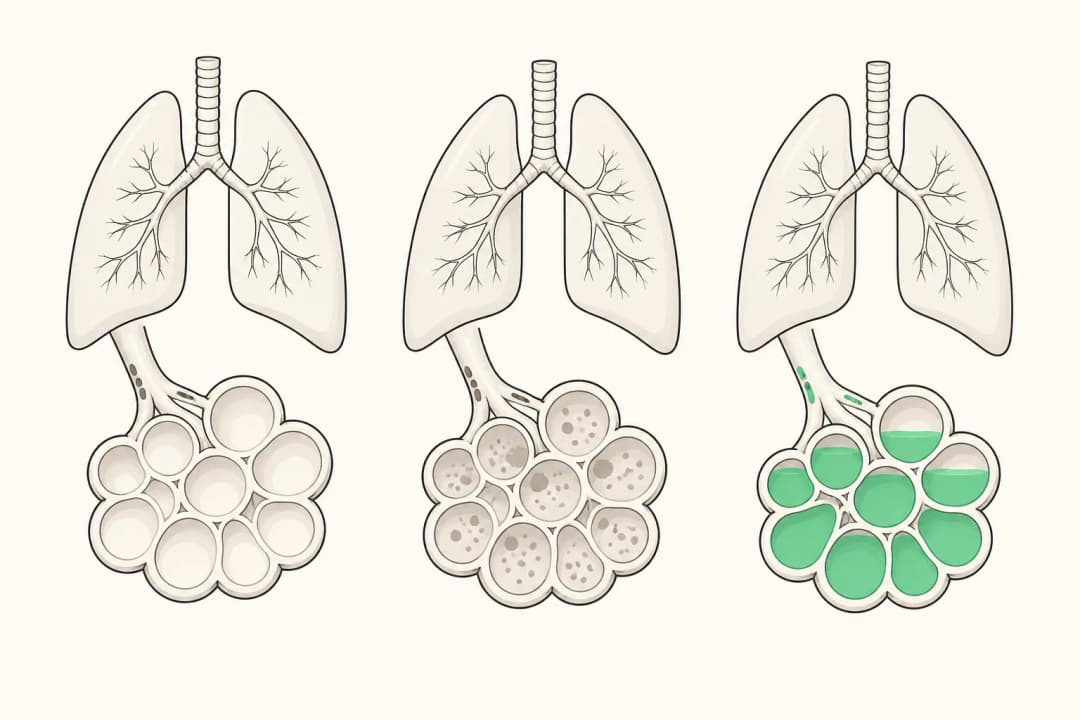
Pneumonia inflames the air sacs in the lungs, which can fill with fluid and make breathing less effective. Healthcare-acquired pneumonia may occur while someone is in hospital, a care facility or receiving ongoing medical care. Recent treatment, reduced mobility, swallowing difficulty, breathing equipment and other illnesses can influence risk and the choice of treatment. Symptoms can include cough, fever, chills, chest discomfort, breathlessness and coughing up phlegm; older or very unwell people may instead become unusually sleepy or confused. The clinical team may assess oxygen levels, listen to the chest and use imaging or samples to guide care.
What happens next
Tell the healthcare team when symptoms began, whether you have recently taken antibiotics, and whether you have allergies or swallowing problems. Treatment may include oxygen, fluids, antibiotics when a bacterial infection is suspected, and help with clearing secretions or moving safely. Take prescribed treatment exactly as directed and do not share antibiotics. Sitting upright, gentle movement when approved and careful mouth care may support recovery. Ask staff how infection-control measures apply to visitors and shared spaces.
When to seek urgent care
Tell staff immediately about worsening breathlessness, bluish lips, new confusion, severe chest pain, fainting, inability to keep fluids down or a sudden decline. After discharge, contact the treating service urgently if fever or breathing symptoms worsen. A rapidly deteriorating person may develop sepsis and needs emergency assessment.
Questions for your doctor
What findings support pneumonia, and what tests are needed? Which treatment is planned, for how long, and what side effects matter? What breathing or swallowing changes should trigger a call?
Find care
General Clinics & Polyclinics in Abu Dhabi
That answer is general. If you want it applied to your own case, these are licensed general clinics & polyclinics listed in Abu Dhabi.
27 Ar Ruwwad St - Shakhbout City - MSH4 - Abu Dhabi - United Arab Emirates
Accepts: Daman, Thiqa, Cigna, MetLife +20 more
Al Ruwais, Al Dhafrah
Accepts: Daman, Thiqa, AXA, Cigna +16 more
Al Bahyah - Al Bahyah Old - Abu Dhabi - United Arab Emirates
Accepts: Daman, Thiqa, Cigna, Allianz Care +18 more
Abu Dhabi
Accepts: Daman, Thiqa, AXA, Cigna +27 more
Ordered by verification status and how complete each clinic's public record is, then alphabetically. This is a directory listing, not a ranking — Zavis does not rate or recommend providers.
A factual listing drawn from the DHA, DOH and MOHAP licence registers. It is not a referral, an endorsement, or advice that any of these providers is right for you.
Questions people ask
Is healthcare-acquired pneumonia always bacterial?
No. Viruses and other organisms can also cause pneumonia, so assessment helps guide treatment.
Why might treatment differ from ordinary pneumonia?
Recent healthcare exposure and prior medicines can affect which organisms are considered and which treatment is appropriate.
Medical disclaimer. This page is general health information, not medical advice, and it cannot diagnose you. Always consult a licensed healthcare provider about your own symptoms and treatment. In an emergency in the UAE, call 998 for an ambulance.