
What should you know about bedwetting?
Short answer
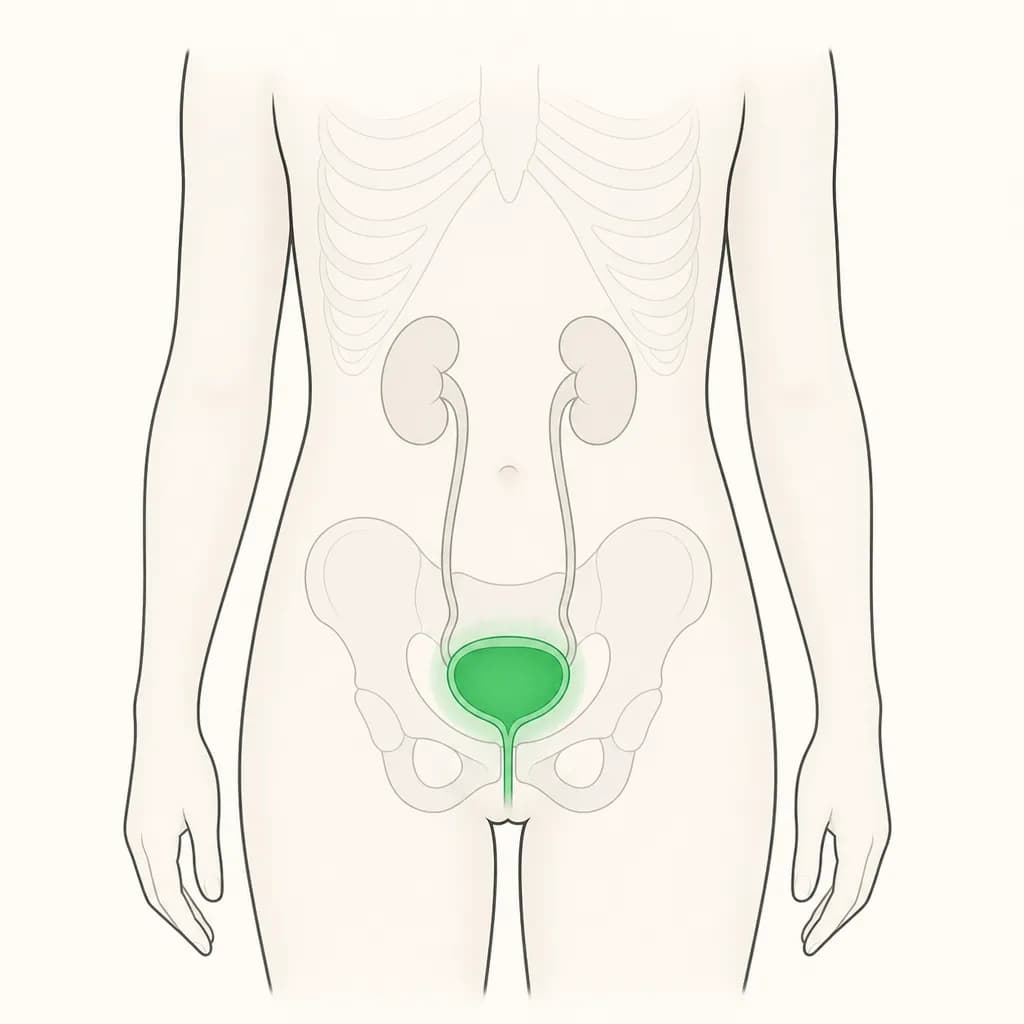
Bedwetting means passing urine during sleep, often without waking, and it can have several causes that deserve a calm assessment.
This answers one question. It is not a diagnosis and does not replace an assessment by a licensed doctor.
At a glance
- When it happens
- During sleep
- Useful record
- Wet nights, daytime symptoms and bowel habits
- What helps
- Supportive routines without blame
What bedwetting can involve
Night-time wetting can happen when the bladder, urine production and the brain’s waking signal are not yet coordinated. Constipation, deep sleep, family tendency, stress or changes in routine may contribute. New wetting after a long dry period can have a different cause from bedwetting that has never stopped.
Daytime urgency, pain when passing urine, thirst, snoring or constipation are useful details. Bedwetting is not deliberate and punishment can increase distress.
Helpful steps at home
Offer regular drinks through the day, encourage toilet visits before bed and treat constipation with professional advice if needed. Use a waterproof cover and involve the child in changing clothes without blame. Keep a brief record of wet and dry nights, daytime symptoms, drinks and bowel movements.
A clinician may discuss a moisture alarm or medicine after checking the pattern and the child’s health. Do not restrict fluids harshly or wake a child repeatedly without guidance, as this may disrupt sleep without building reliable bladder control.
When to seek care
Arrange medical advice for painful urination, fever, blood in urine, daytime accidents, marked thirst, weight change, constipation, weak urine flow or new wetting after a dry period. Seek urgent help if the child is very unwell, unusually drowsy or unable to keep fluids down.
Questions for your doctor
Could constipation, infection, sleep problems or diabetes be contributing? Does the pattern need a urine test? Which alarm or treatment suits the child’s age and routine?
Find care
General Clinics & Polyclinics in Abu Dhabi
That answer is general. If you want it applied to your own case, these are licensed general clinics & polyclinics listed in Abu Dhabi.
27 Ar Ruwwad St - Shakhbout City - MSH4 - Abu Dhabi - United Arab Emirates
Accepts: Daman, Thiqa, Cigna, MetLife +20 more
Al Ruwais, Al Dhafrah
Accepts: Daman, Thiqa, AXA, Cigna +16 more
Al Bahyah - Al Bahyah Old - Abu Dhabi - United Arab Emirates
Accepts: Daman, Thiqa, Cigna, Allianz Care +18 more
Abu Dhabi
Accepts: Daman, Thiqa, AXA, Cigna +27 more
Ordered by verification status and how complete each clinic's public record is, then alphabetically. This is a directory listing, not a ranking — Zavis does not rate or recommend providers.
A factual listing drawn from the DHA, DOH and MOHAP licence registers. It is not a referral, an endorsement, or advice that any of these providers is right for you.
Questions people ask
Is bedwetting deliberate?
No. Children usually do not wet the bed intentionally, and blame or punishment can make the experience more upsetting.
When should a child be checked?
Seek advice for pain, fever, thirst, daytime wetting, constipation, snoring or wetting that starts again after a long dry period.
Related
Related reading
Keep reading
Medical disclaimer. This page is general health information, not medical advice, and it cannot diagnose you. Always consult a licensed healthcare provider about your own symptoms and treatment. In an emergency in the UAE, call 998 for an ambulance.