
Does pseudogout cause joint swelling?
Short answer
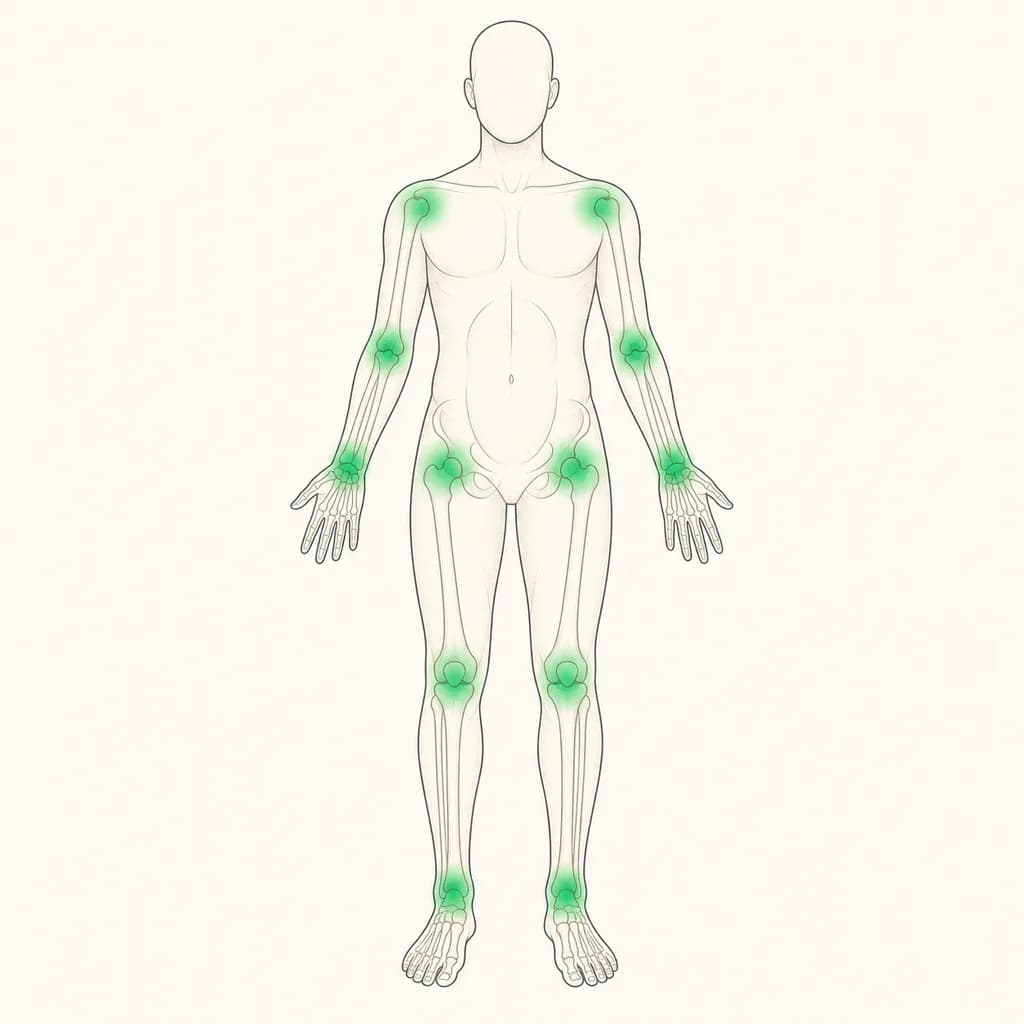
Joint Swelling is a common presentation of Pseudogout. The swelling often develops suddenly with pain, warmth, tenderness, and reduced movement, but swelling alone cannot identify its cause.
This answers one question. It is not a diagnosis and does not replace an assessment by a licensed doctor.
At a glance
- Typical pattern
- Sudden swelling, warmth, pain, and stiffness in one joint
- Commonly affected joint
- The knee is a frequent site, but other joints can be involved
- Key caution
- A hot swollen joint may also be infected and needs prompt assessment
What the swelling may mean
Pseudogout is an inflammatory arthritis caused by calcium pyrophosphate crystals collecting in a joint. The immune response to these crystals can make the joint lining produce extra fluid, creating visible puffiness and a feeling of tightness. The knee is often involved, although the wrist, shoulder, ankle, or another joint can also be affected.
An episode may make the skin over the joint feel warm and make ordinary movements difficult. Similar swelling can occur with infection, gout, an injury, or another form of arthritis, so the appearance of a swollen joint does not establish pseudogout.
What to do about a swollen joint
Arrange a clinical assessment if the swelling is new, marked, or keeps returning. A clinician may examine the joint and, when needed, test joint fluid for crystals or use imaging to look for changes associated with calcium pyrophosphate deposits. Until you are assessed, rest the joint from aggravating activity, keep it comfortably elevated, and use a wrapped cold pack for short periods if that feels helpful.
Do not start, stop, or combine anti-inflammatory medicines without checking that they are suitable for you, particularly if you have kidney disease, stomach ulcers, heart problems, take blood thinners, or are pregnant. Follow the treatment plan prescribed for your episode and return gradually to movement as pain and swelling settle.
When to seek urgent care
Seek urgent medical assessment for a hot, very painful swollen joint, especially if you have a fever, chills, feel generally unwell, or the symptoms are worsening quickly. A joint infection can resemble a crystal flare and needs prompt treatment. Seek urgent help as well after a significant injury, or if you cannot put weight on the limb or move the joint.
Questions for your doctor
You could ask: Could this swelling be pseudogout or another condition? Would testing joint fluid help confirm the cause? Which pain-relief options are safe with my medical history? What should I do if the swelling returns, and when can I resume my usual activities?
Find care
General Clinics & Polyclinics in Abu Dhabi
That answer is general. If you want it applied to your own case, these are licensed general clinics & polyclinics listed in Abu Dhabi.
27 Ar Ruwwad St - Shakhbout City - MSH4 - Abu Dhabi - United Arab Emirates
Accepts: Daman, Thiqa, Cigna, MetLife +20 more
Al Ruwais, Al Dhafrah
Accepts: Daman, Thiqa, AXA, Cigna +16 more
Al Bahyah - Al Bahyah Old - Abu Dhabi - United Arab Emirates
Accepts: Daman, Thiqa, Cigna, Allianz Care +18 more
Abu Dhabi
Accepts: Daman, Thiqa, AXA, Cigna +27 more
Ordered by verification status and how complete each clinic's public record is, then alphabetically. This is a directory listing, not a ranking — Zavis does not rate or recommend providers.
A factual listing drawn from the DHA, DOH and MOHAP licence registers. It is not a referral, an endorsement, or advice that any of these providers is right for you.
Questions people ask
Is pseudogout the only cause of a swollen joint?
No. Infection, gout, injury, and other types of arthritis can also cause swelling, so a clinician may need to assess the joint and sometimes test its fluid.
Can pseudogout swelling go away?
A flare can settle, but the timing varies. Recurrent or persistent swelling should be reviewed so the diagnosis and prevention plan can be checked.
Related
Related reading
Keep reading
Medical disclaimer. This page is general health information, not medical advice, and it cannot diagnose you. Always consult a licensed healthcare provider about your own symptoms and treatment. In an emergency in the UAE, call 998 for an ambulance.