
Does allergy testing treat asthma?
Short answer
Allergy testing does not treat asthma directly; it can identify allergic triggers so your asthma plan can address them.
This answers one question. It is not a diagnosis and does not replace an assessment by a licensed doctor.
At a glance
- Main purpose
- Identifies possible allergic sensitivities
- What treats asthma
- An individualised asthma management plan
What the result means
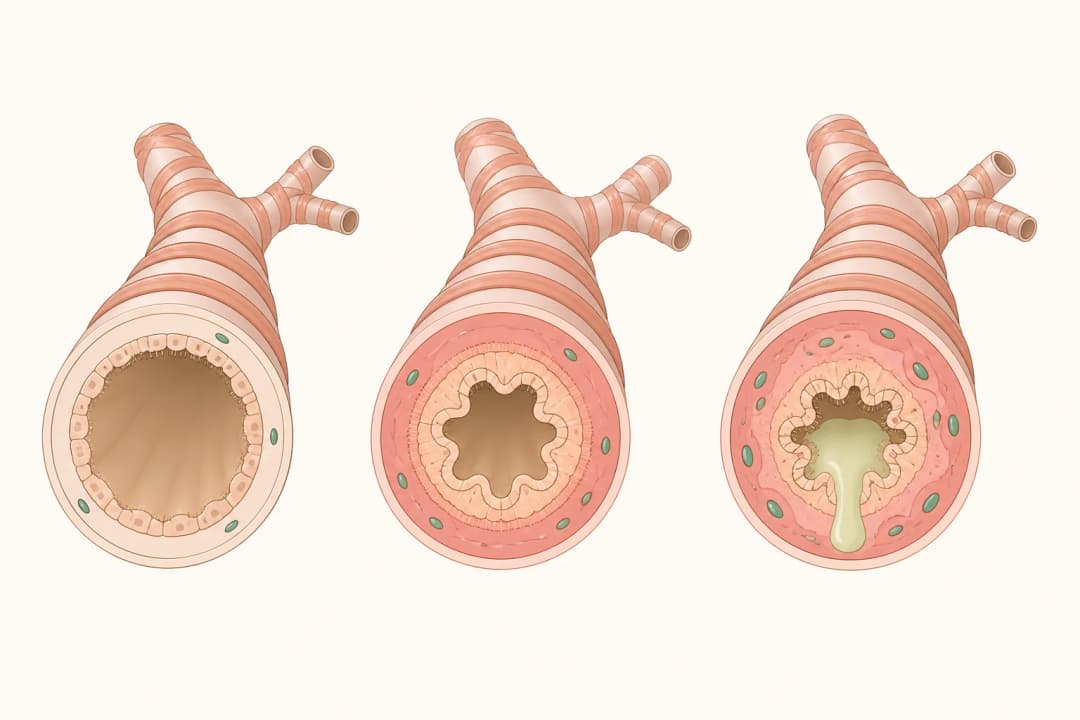
Asthma involves sensitive, narrowed airways. Allergens such as dust mites, pets, mould or pollen can aggravate symptoms in some people, but asthma can also be triggered by infections, exercise, smoke, weather or other irritants. A skin-prick or blood test looks for signs of sensitivity; a positive result does not prove that the allergen causes every episode. Your clinician matches the result with your symptoms, exposure pattern and examination.
Treatment focuses on controlling airway inflammation and relieving narrowing. This may include an inhaler plan and trigger reduction. In selected people with allergy-driven symptoms, specialist treatment aimed at changing the immune response may be considered, but that is different from the diagnostic test.
Practical next steps
Keep a brief record of wheeze, cough, chest tightness and possible exposures, including where you were and what happened beforehand. Take your prescribed inhalers as directed and do not stop a preventer because testing identifies no allergy. Reduce a confirmed trigger when practical, such as improving bedroom dust control or avoiding smoke. Ask whether your inhaler technique and written asthma action plan need checking.
When to seek care
Seek urgent medical help for severe breathlessness, difficulty speaking, blue or grey lips, marked drowsiness, or symptoms that rapidly worsen. Use your personal asthma action plan if you have one. Arrange prompt clinical review when symptoms are repeatedly waking you, limiting activity, or needing reliever medicine more often than advised; allergy testing should not delay treatment of breathing difficulty.
Questions for your doctor
Could an allergy be contributing to my pattern of symptoms? Which test is appropriate, and how will you interpret it alongside my history? What should I change if a trigger is confirmed? Does my current inhaler plan need adjustment, and when should I seek emergency help?
Find care
General Clinics & Polyclinics in Abu Dhabi
That answer is general. If you want it applied to your own case, these are licensed general clinics & polyclinics listed in Abu Dhabi.
27 Ar Ruwwad St - Shakhbout City - MSH4 - Abu Dhabi - United Arab Emirates
Accepts: Daman, Thiqa, Cigna, MetLife +20 more
Al Ruwais, Al Dhafrah
Accepts: Daman, Thiqa, AXA, Cigna +16 more
Al Bahyah - Al Bahyah Old - Abu Dhabi - United Arab Emirates
Accepts: Daman, Thiqa, Cigna, Allianz Care +18 more
Abu Dhabi
Accepts: Daman, Thiqa, AXA, Cigna +27 more
Ordered by verification status and how complete each clinic's public record is, then alphabetically. This is a directory listing, not a ranking — Zavis does not rate or recommend providers.
A factual listing drawn from the DHA, DOH and MOHAP licence registers. It is not a referral, an endorsement, or advice that any of these providers is right for you.
Questions people ask
Can a negative allergy test rule out asthma?
No. Asthma has several possible triggers, and a negative allergy test does not exclude asthma or non-allergic airway sensitivity.
Should I wait for testing during an asthma flare?
No. Breathing symptoms need timely assessment and treatment; testing can be arranged separately when your clinician considers it suitable.
Related
Related reading
Keep reading
Medical disclaimer. This page is general health information, not medical advice, and it cannot diagnose you. Always consult a licensed healthcare provider about your own symptoms and treatment. In an emergency in the UAE, call 998 for an ambulance.